
























Archaeological Study Reveals Complex Plant-Based Diets of Prehistoric Europeans Through Pottery Residue Analysis
SEM analysis of pottery residues showed people combined fish with a wide variety of plants when cooking.
Read the full articleYou might also wanna read


The Diet of Medieval Peasants and Serfs: Bread, Pottage, and the Threat of Famine
Explore how medieval peasants and serfs ate through bread, pottage, ale, pulses, dairy, fasting, famine, labor, and seasonal survival.
 brewminate.com·1mo ago
Land Use Practices of Neolithic Monument Builders Evaluated
POZNAŃ, POLAND—According to a Science in Poland report, analysis of charcoal and pollen in ancient […] The post Land Use Practices of Neolit

How food processing by women and children shaped human evolution beyond hunting
Explore how women, children, and food processing helped shape human evolution beyond the old “man the hunter” story.
brewminate.com·1mo ago
The agropastoral debate in context: the relationship between the consumption and management of animals at Azoria on Crete - Archaeological and Anthropological Sciences
In our new paper, we isotopically analyze 50 sheep & goat mandibles/teeth and uncover the economy supporting both households and public feas
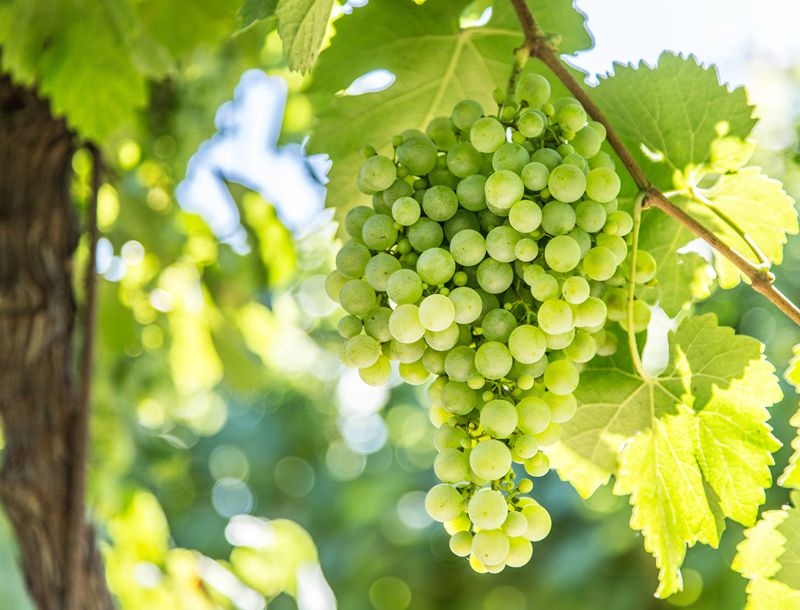
Study finds grape consumption linked to higher pesticide traces in rural Latvians
Researchers found acetamiprid in 66.7% of grape eaters, suggesting imported produce may be a key exposure source
 vinetur.com·20d ago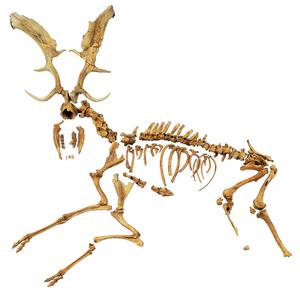
120,000-year-old fossils reveal dramatic genetic diversity loss in European fallow deer
European fallow deer faced a dramatic loss of genetic diversity since the last interglacial period. This was revealed by 120,000-year-old fo
Comments
Sign in to join the conversation.
No comments yet. Be the first.