





















2,000-year-old grape seeds from Tuscan wells reveal Roman Empire's role in shaping modern wine
By
University of York

A respectable bake. You'd come back tomorrow for another.
Summary
Scientists analyzing 2,000-year-old grape seeds recovered from ancient wells in Tuscany have mapped the most extensive genetic history of ancient grapevines from a single site. The research, published in the Journal of Archaeological Science, reveals that ancient vineyards were part of the Roman Empire's sophisticated agricultural network, which laid the foundation for modern wine production.
Key quotes
· 2 pulledScientists analysing 2,000-year-old grape seeds from ancient wells in Tuscany have mapped the most extensive genetic history of ancient grapevines recovered from a single site.
The findings, published in the Journal of Archaeological Science, show that ancient vineyards were part of the Roman Empire's highly sophisticated agricultural network that laid the foundation for modern
You might also wanna read

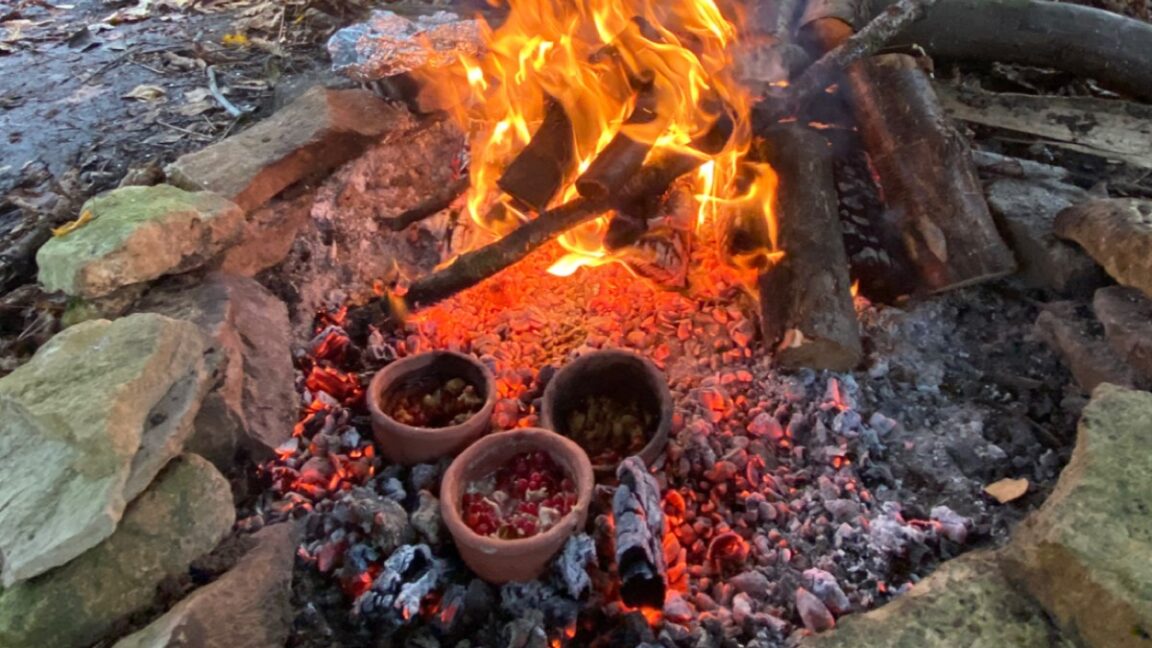
Archaeological Study Reveals Complex Plant-Based Diets of Prehistoric Europeans Through Pottery Residue Analysis
Archaeological research analyzing pottery residues from prehistoric European sites reveals complex plant-based diets and cooking practices.
 arstechnica.com·3mo ago
How I uncovered a potential ancient Rome wine scam
David Reich's Genetics Lab Rewrites Human History Through Ancient DNA Analysis
The article profiles David Reich's ancient genetics lab at Harvard Medical School, which is revolutionizing our understanding of human histo
 laphamsquarterly.org·9mo ago
Humans 40k yrs ago developed a system of conventional signs
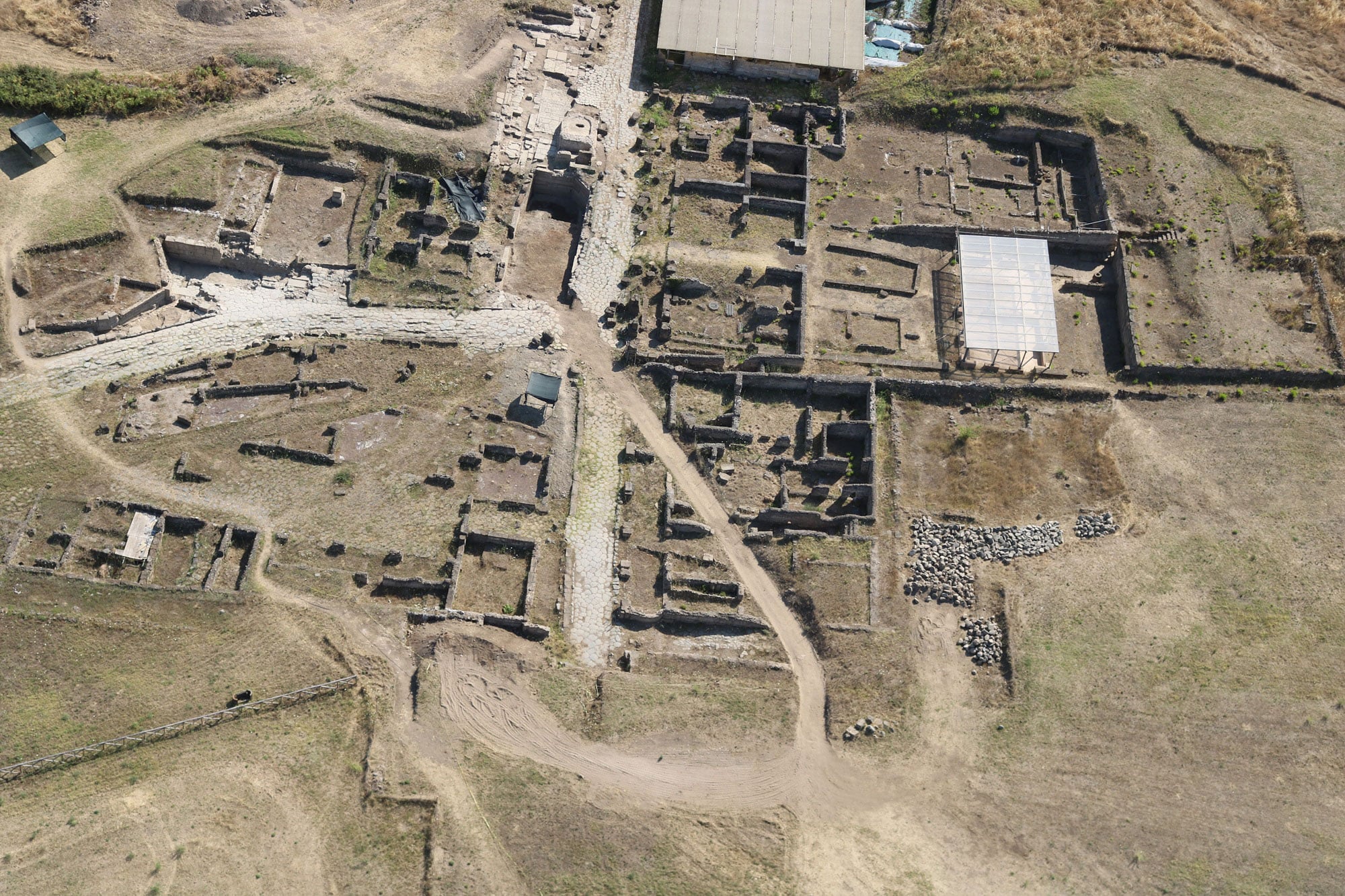
Archaeologists Discover 2,250-Year-Old Monumental Basin in Ancient Roman City of Gabii
Archaeologists from the University of Missouri have uncovered a massive 2,250-year-old stone-lined basin in the ancient Roman city of Gabii,
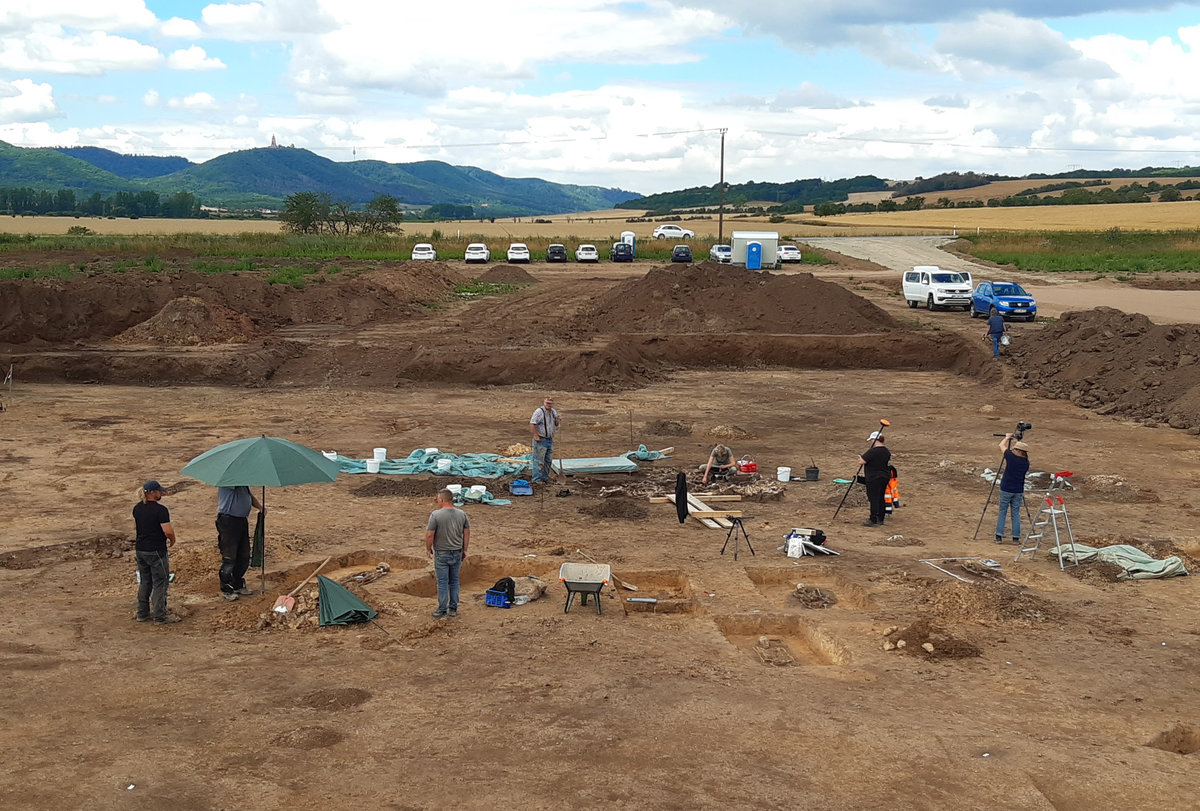
Genetic study confirms large-scale Slavic migration reshaped Central and Eastern Europe in 6th-8th centuries
Genetic analyses of genome-wide data from over 550 ancient individuals reveal that during the 6th-8th centuries CE, Eastern Germany, Poland/
 mpg.de·9mo ago