

























Archaeologists discover evidence of sun worship near Stonehenge dating back to 3000 BC
By
David Keys
Summary
Archaeologists have discovered evidence of sun worship near Bulford, Wiltshire, just three miles from Stonehenge, dating back to 3000 BC — at least 450 years before the main phase of Stonehenge was built. The findings reveal that prehistoric Britons were celebrating the midsummer sunrise and midwinter solstice centuries earlier than previously known, reshaping understanding of the timeline and development of solar religious practices in the Stonehenge landscape.
Source
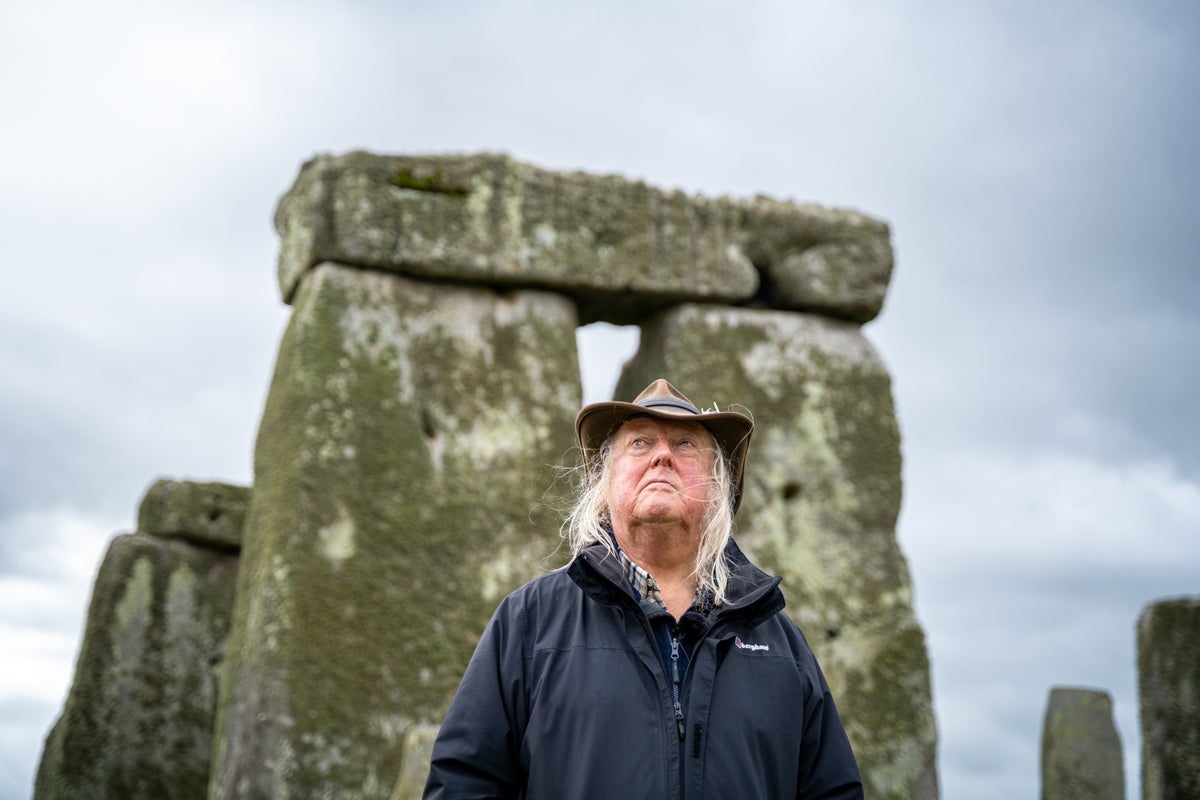
 Twitter / XArchaeologists discover evidence of sun worship near Stonehenge dating back to 3000 BCindependent.co.uk
Key quotes
· 3 pulledExcavations near the world-famous monument have revealed that sun worship was a significant part of the Stonehenge area's religious practice at least 450 years before the main phase of Stonehenge was constructed.
The discovery at Bulford in Wiltshire shows that by 3000 BC, prehistoric Britons were celebrating the midsummer sunrise and midwinter solstice.
Just three miles from Stonehenge, archaeologists have made a remarkable discovery which sheds new light on the history of prehistoric religion.
You might also wanna read

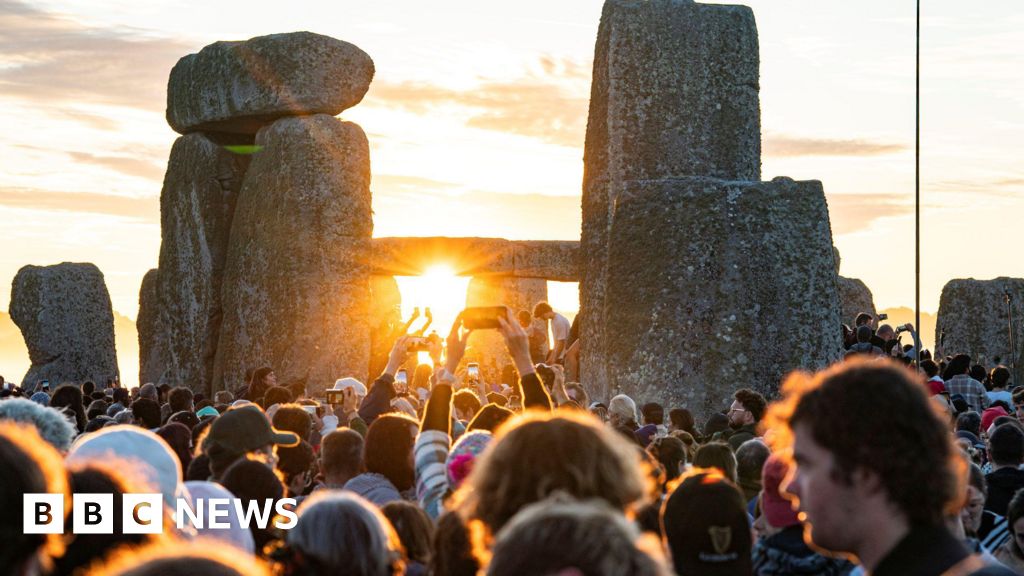
Thousands across the UK gather to celebrate summer solstice sunrise
Thousands gathered across the UK to celebrate the summer solstice, with over 20,000 people at Stonehenge in Wiltshire and others at beaches
 bbc.co.uk·1d ago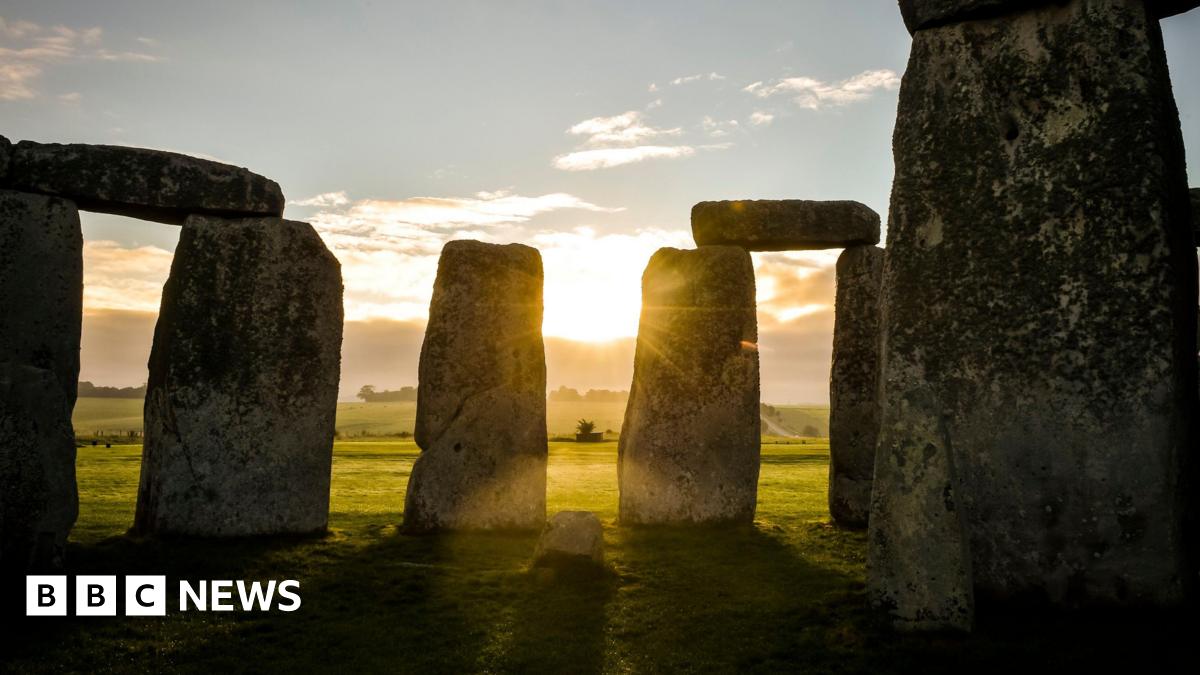
Study confirms humans transported Stonehenge stones hundreds of kilometers, glaciers only moved them partway
New research using geological analysis and computer modeling suggests that Stonehenge's massive stones were transported by humans over hundr
bbc.co.uk·18d ago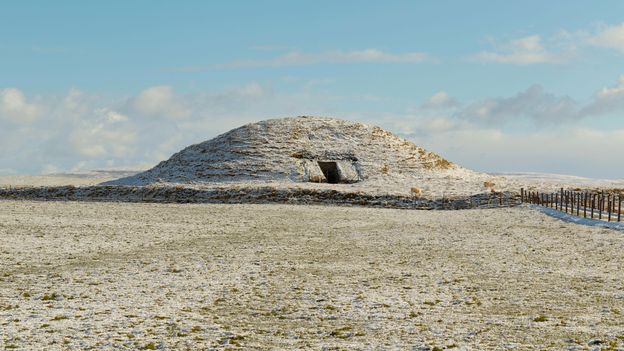
Ancient Monuments Aligned with Winter Solstice Sunrise and Sunset
The article explores ancient monuments across the Northern Hemisphere that align precisely with the winter solstice sunrise and sunset. Thes
 bbc.com·6mo ago
Iron Age burial in Scotland reveals brain removal and bone tool-making rituals 2,000 years ago
A new analysis of 2,000-year-old skeletons from northern Scotland reveals an unusual Iron Age funeral ritual where a woman's brain was remov
 livescience.com·13d ago
New Dating of White Sands Footprints Confirms Controversial Theory
The article discusses the new dating of footprints found at White Sands National Park in New Mexico, confirming a controversial theory about
arstechnica.com·1y ago
17,100-year-old rock art in Gower's Bacon Hole cave confirmed as Britain's earliest prehistoric engravings
Rock art discovered in 1912 in Bacon Hole cave on the Gower Peninsula, Wales, has been confirmed as Britain's earliest known prehistoric art
bbc.co.uk·21d agoComments
Sign in to join the conversation.
No comments yet. Be the first.