





















Iron Age burial in Scotland reveals brain removal and bone tool-making rituals 2,000 years ago
By
Kristina Killgrove

Crisp on the outside, thoughtful on the inside. A keeper.
Summary
A new analysis of 2,000-year-old skeletons from northern Scotland reveals an unusual Iron Age funeral ritual where a woman's brain was removed and her arm bones were fashioned into tools. The discovery provides archaeologists with new insights into prehistoric social networks and burial traditions in Britain.
Key quotes
· 3 pulledThe inside of the skull of Individual 1 shows cut marks, possibly made during brain removal.
About 2,000 years ago in the far North of Scotland, a woman was buried after her brain was scooped out and her bones were whittled into tools, a new analysis reveals.
The highly unusual burial is giving archaeologists new insight into social networks and funeral traditions in prehistoric Britain.
You might also wanna read

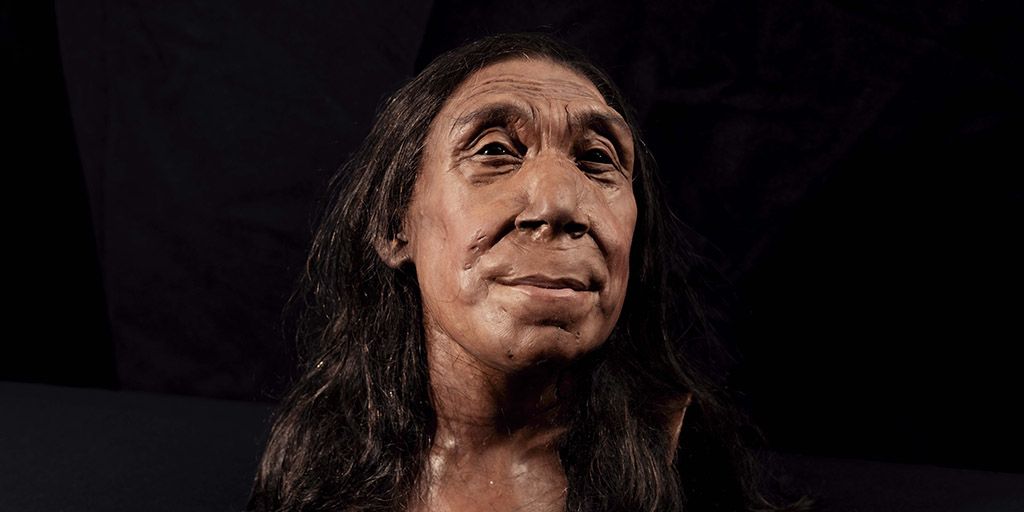
Archaeologists Reconstruct Face of 75,000-Year-Old Female Neanderthal from Iraqi Cave Burial Site
Archaeologists have reconstructed the face of a 75,000-year-old female Neanderthal named Shanidar Z, whose skull was discovered in a cave in
 cam.ac.uk·2mo ago
Study suggests Neanderthals may have practiced primitive dentistry 59,000 years ago
A new study published in PLOS One suggests that Neanderthals may have practiced primitive dentistry. Researchers analyzed a 59,000-year-old
 Defector·26d ago
Study reveals Neanderthals processed bones into 'fat factories' for maximum calorie extraction
A new study published in Science Advances reveals that Neanderthals had sophisticated methods for extracting fat from bones, going beyond si
 Leiden University·1mo ago
Million-Year-Old Skull Discovery May Rewrite Timeline of Modern Human Origins
A million-year-old human skull discovered in China, previously classified as Homo erectus, has been reanalyzed using sophisticated reconstru
 theguardian.com·8mo ago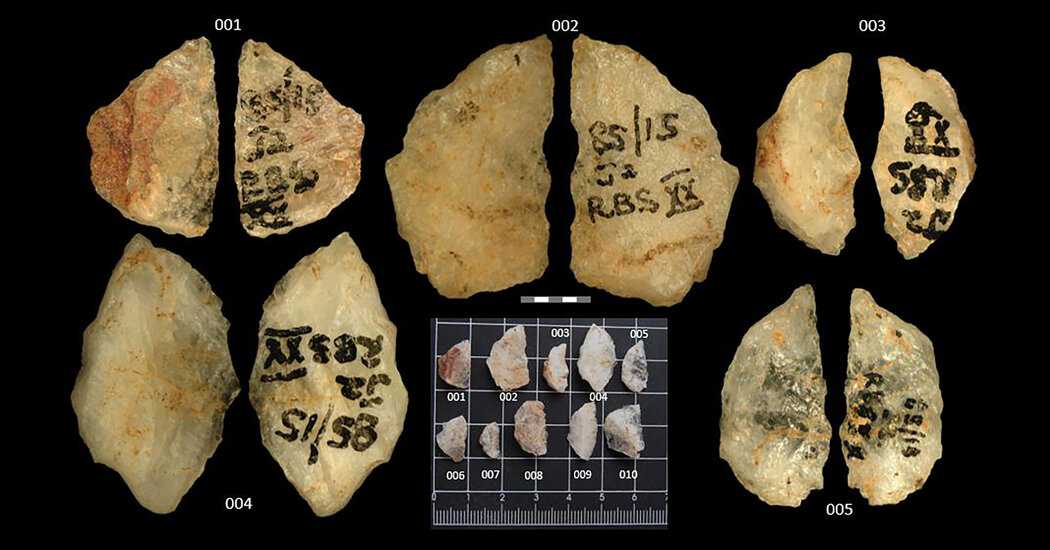
60,000-Year-Old Arrow Tips Reveal Earliest Evidence of Poison Use for Hunting
Researchers have discovered 60,000-year-old poison residues on arrow tips found in South Africa, pushing back the timeline for when humans b
 nytimes.com·5mo ago
Archaeological Study Reveals Complex Plant-Based Diets of Prehistoric Europeans Through Pottery Residue Analysis
Archaeological research analyzing pottery residues from prehistoric European sites reveals complex plant-based diets and cooking practices.
 arstechnica.com·3mo ago