
























New Dating of White Sands Footprints Confirms Controversial Theory
Results are consistent with two earlier studies dating the footprints to between 22,000 and 24,000 years ago.
Read the full articleYou might also wanna read


Human tracks may be earliest evidence of people in North America
Footprints in New Mexico’s White Sands National Park challenge scientists’ timeline of when humans first came to North America.
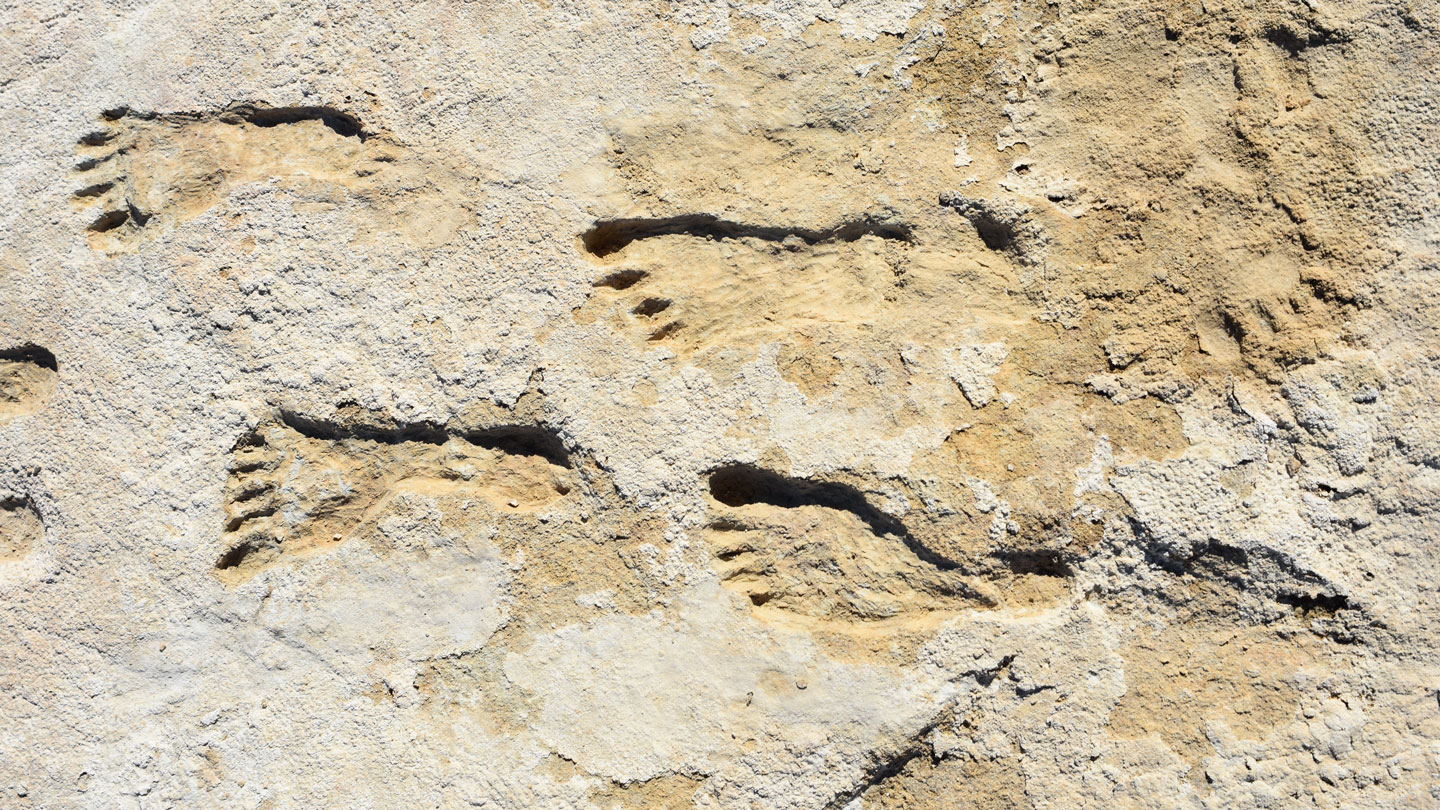
Ancient footprints in New Mexico suggest humans reached the Americas 23,000 years ago
Prehistoric people’s footprints show that humans were in North America during the height of the last ice age, researchers say.
 sciencenews.org·11d ago
Ancient footprints in New Mexico suggest humans reached the Americas 23,000 years ago
Prehistoric people’s footprints show that humans were in North America during the height of the last ice age, researchers say.
sciencenews.org·11d agoMachine Gun-Toting Israeli Settlers Detain Ro Khanna During Trip to Occupied West Bank
FlaNuke75: I really am amazed that you can speak with such assurance on events that occurred 20,000+ years ago. Glad to amaze you. I admit t

Des crottes fossilisées dans un désert chinois révèlent qu'il abritait une forêt et des rivières il y a 4 000 ans
Le Tarim, en Chine, compte parmi les étendues les plus sèches d'Asie. Pourtant, ses sables gardent la mémoire d'un tout autre paysage. En an

Ancient 'lost world' could rewrite history for how first Americans arrived 13,000 years ago
New evidence suggests that Americans may not have arrived in the Americas by the previously thought Bering Land Bridge, but actually by boat

Descubren que supuestos fósiles de mamut en Alaska eran en realidad de dos ballenas prehistóricas
Un estudio científico reveló que fósiles atribuidos a mamuts y hallados en el interior de Alaska pertenecían a ballenas prehistóricas, lo qu
Comments
Sign in to join the conversation.
No comments yet. Be the first.