
























Sedimentary Charcoal Analysis Tests Fire's Role in Late Miocene C4 Grassland Expansion
By
S. R. Barney
Summary
This research article investigates the role of fire in the late Miocene C4 grassland expansion by analyzing sedimentary charcoal from the South China Sea Ocean Drilling Program Site 1146. The study tests the Fire Hypothesis, which proposes that fire catalyzed the expansion of C4 grasslands during this period. The researchers focus on assessing fuel type changes through charcoal analysis to better understand the relationship between fire regimes and vegetation shifts in the late Miocene.
Source

 bskySedimentary Charcoal Analysis Tests Fire's Role in Late Miocene C4 Grassland Expansiondoi.org
Key quotes
· 2 pulledThe Fire Hypothesis posits fire catalyzed the late Miocene C4 grassland expansion but few proxy studies resolved both fuel type and fire
South China Sea (Ocean Drilling Program Site 1146) sedimen...
You might also wanna read

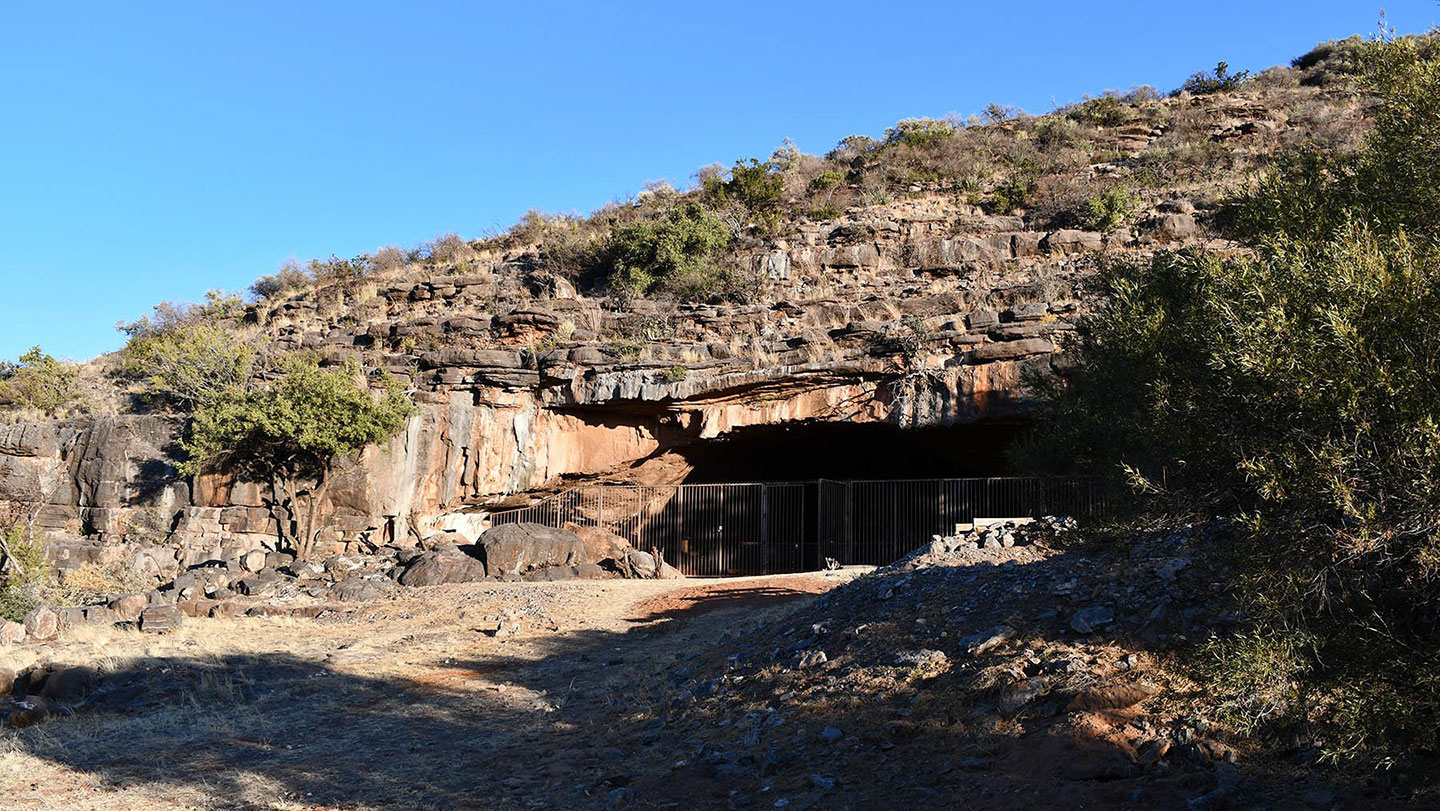
New evidence pushes back earliest known human fire use to 1.8 million years ago
Archaeologists have discovered evidence of controlled fire use by Homo erectus at Wonderwork Cave in South Africa, dating back up to 1.8 mil
 sciencenews.org·10h ago
Archaeological Study Reveals Complex Plant-Based Diets of Prehistoric Europeans Through Pottery Residue Analysis
Archaeological research analyzing pottery residues from prehistoric European sites reveals complex plant-based diets and cooking practices.
 arstechnica.com·3mo ago
Volcanic Eruptions Triggered Hydrogen Sulfide Buildup and Permian Mass Extinction
Research suggests that volcanic eruptions in Siberia 251 million years ago triggered a cascade of events that led to the Permian mass extinc
 psu.edu·7mo ago
Perseverance rover detects complex carbon in Martian mudstones, strengthening case for ancient life on Mars
NASA's Perseverance rover has detected complex carbon in two Martian mudstones within Jezero crater, marking the most robust organic detecti
 space.com·1d ago
Perseverance rover detects complex carbon in Martian mudstones, strengthening case for ancient life on Mars
NASA's Perseverance rover has detected complex carbon in two Martian mudstones within Jezero crater, marking the most robust organic detecti
space.com·1d agoMollusk shell assemblages as a tool for identifying unaltered seagrass beds

Analysis of Diatom and Dinoflagellate Biomass Shifts in the North Atlantic Over Six Decades
The article discusses significant shifts in diatom and dinoflagellate biomass in the North Atlantic over six decades, highlighting decreases
journals.plos.org·1y ago
Comments
Sign in to join the conversation.
No comments yet. Be the first.