





















Analysis of Diatom and Dinoflagellate Biomass Shifts in the North Atlantic Over Six Decades
By
PaulHoule

Hot, fresh, and worth queueing round the block for.
Summary
The article discusses significant shifts in diatom and dinoflagellate biomass in the North Atlantic over six decades, highlighting decreases in biomass except in specific regions and an increase in diatom biomass relative to total biomass. It challenges the assumption of a decadal-scale shift from diatoms to dinoflagellates due to ocean warming.
Key quotes
· 3 pulledDiatom and dinoflagellate biomass has decreased up to 2% per year throughout the North Atlantic except in the eastern and western shelf regions.
There has been a 1–2% per year increase in diatom biomass relative to total diatom and dinoflagellate biomass throughout the North Atlantic, except the Arctic province.
Predicting the effects of climate change likely requires consideration of the consequences for the whole community, the simultaneous change of multiple environmental variables, and the evolutionary potential of plankton populations.
You might also wanna read

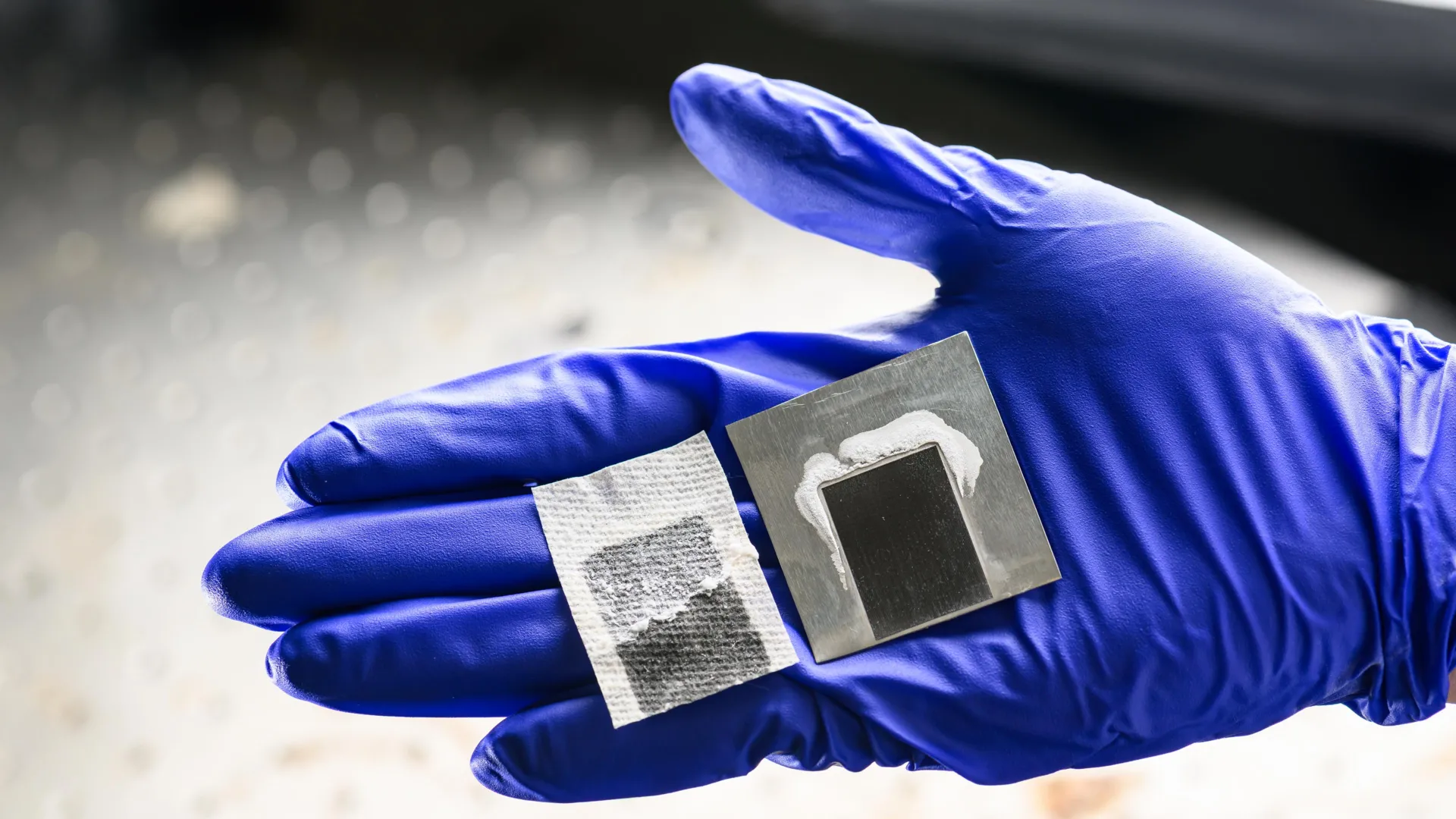
Solar desalination system eliminates toxic brine while producing fresh water
Scientists have developed a solar-powered desalination system that converts seawater into fresh water without producing toxic brine, a major
Solar desalination system eliminates toxic brine while producing fresh water
Scientists have developed a solar-powered desalination system that converts seawater into fresh water without producing toxic brine, a major
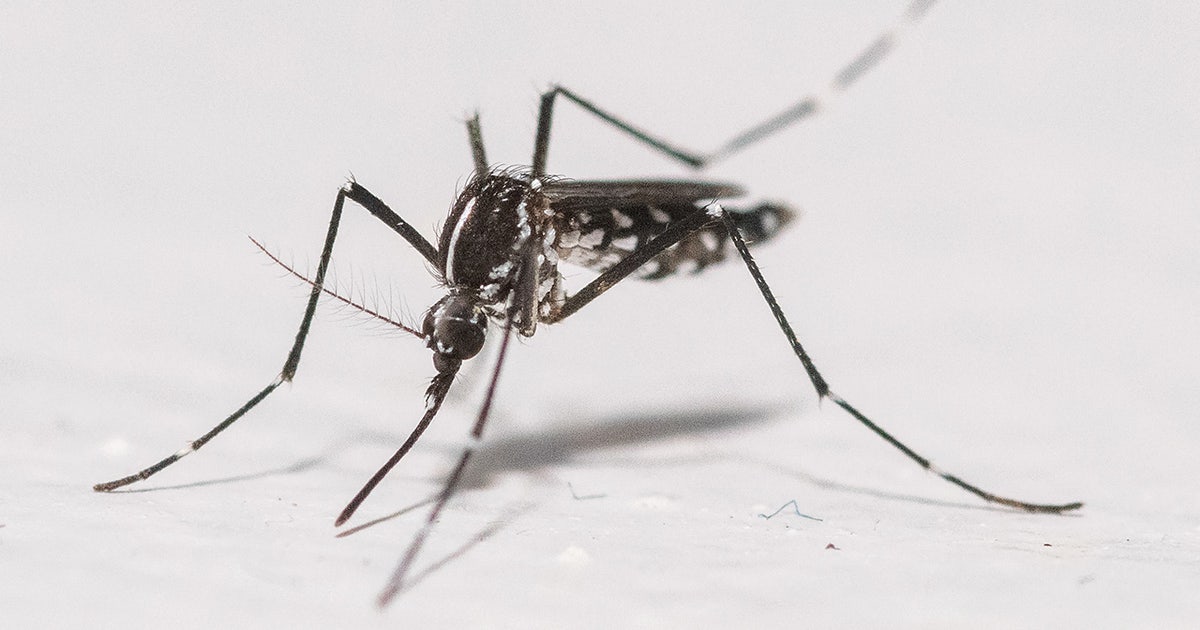
Google's Debug program seeks EPA approval to release 64 million modified mosquitoes in California and Florida
Google's Debug program plans to release up to 64 million genetically modified "good" mosquitoes in California and Florida over two years to
 bit.ly·3h ago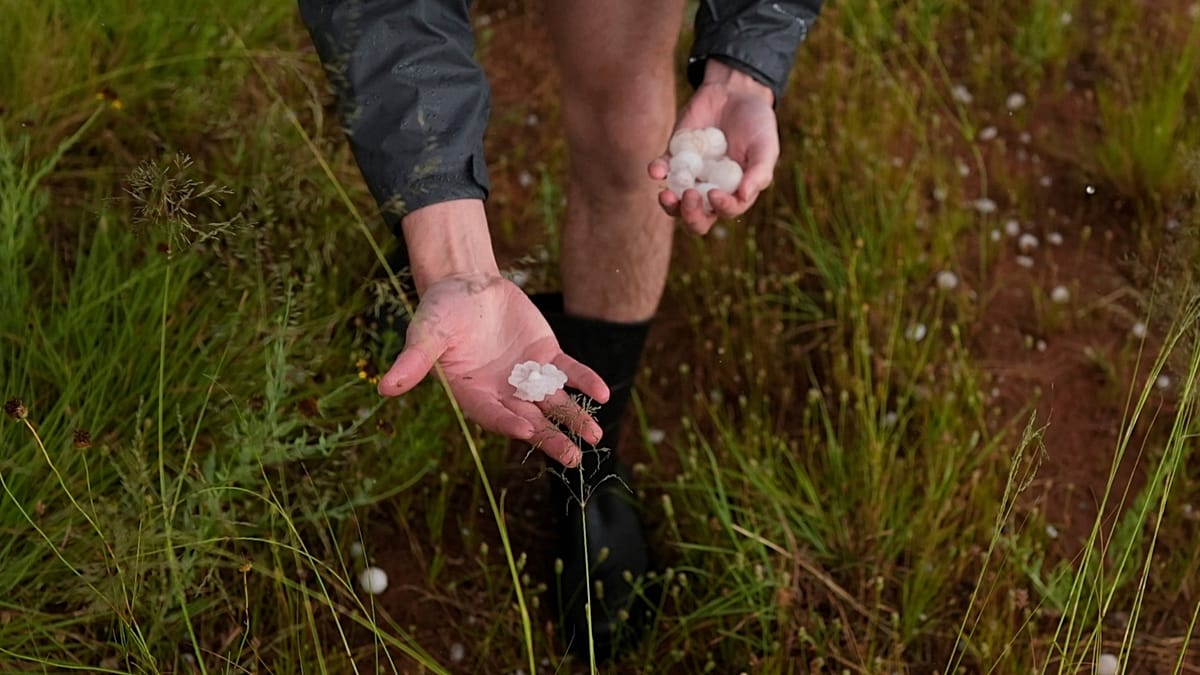
Study: Climate change could increase large hailstones by nearly 50% by 2100
A new study published in Nature warns that climate change will significantly increase the frequency of large hailstones (bigger than a marbl
 euronews.com·4h ago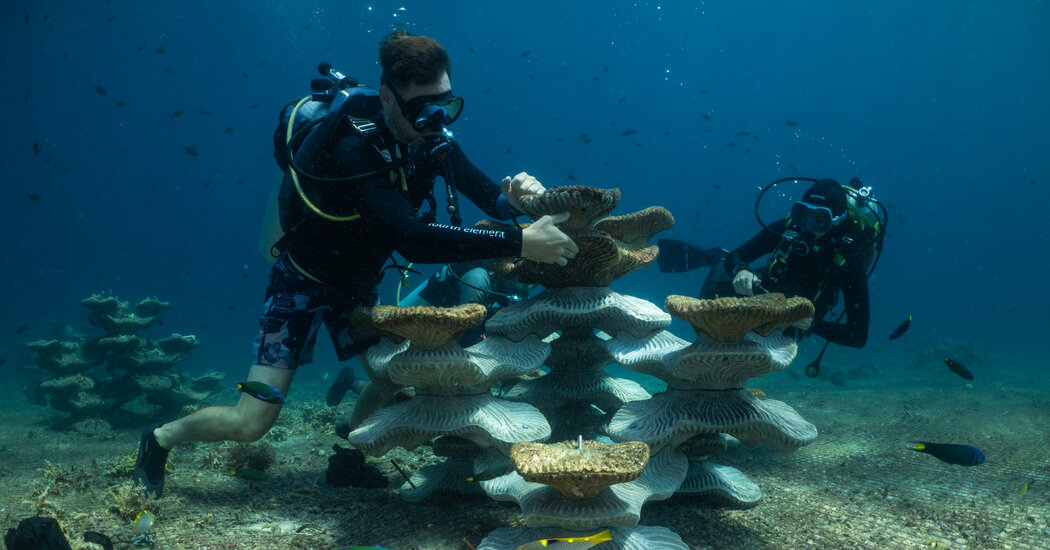
Conservation Group Uses Concrete Molds to Build Artificial Reefs in Malaysia's Coral Triangle
A conservation group is using concrete molds and 3D-printed structures to build artificial reefs in the Coral Triangle near Malaysia, aiming
 nytimes.com·14h ago
Microplastics in the atmosphere may contribute to global warming, research suggests
Microplastics, the tiny particles shed from plastic products, are accumulating in the atmosphere and may be contributing to global warming.
 cenm.ag·15h ago