





















Conservation Group Uses Concrete Molds to Build Artificial Reefs in Malaysia's Coral Triangle
By
Zunaira Saieed, Sirachai Arunrugstichai

Needed another two minutes in the oven. A half-baked bagel.
Summary
A conservation group is using concrete molds and 3D-printed structures to build artificial reefs in the Coral Triangle near Malaysia, aiming to revive coral ecosystems devastated by bombing and climate change. The Tropical Research and Conservation Center is deploying these structures near Pom Pom Island to provide a foundation for coral regrowth in a critically damaged marine environment.
Key quotes
· 3 pulledRobin Philippo, the managing director of the Tropical Research and Conservation Center, installing an artificial reef structure near Pom Pom Island in Malaysia.
The structures are made from concrete with 3-D printed molds.
In a devastated section of the Coral Triangle in the Pacific Ocean, a conservation group is trying to build an artificial reef.
You might also wanna read

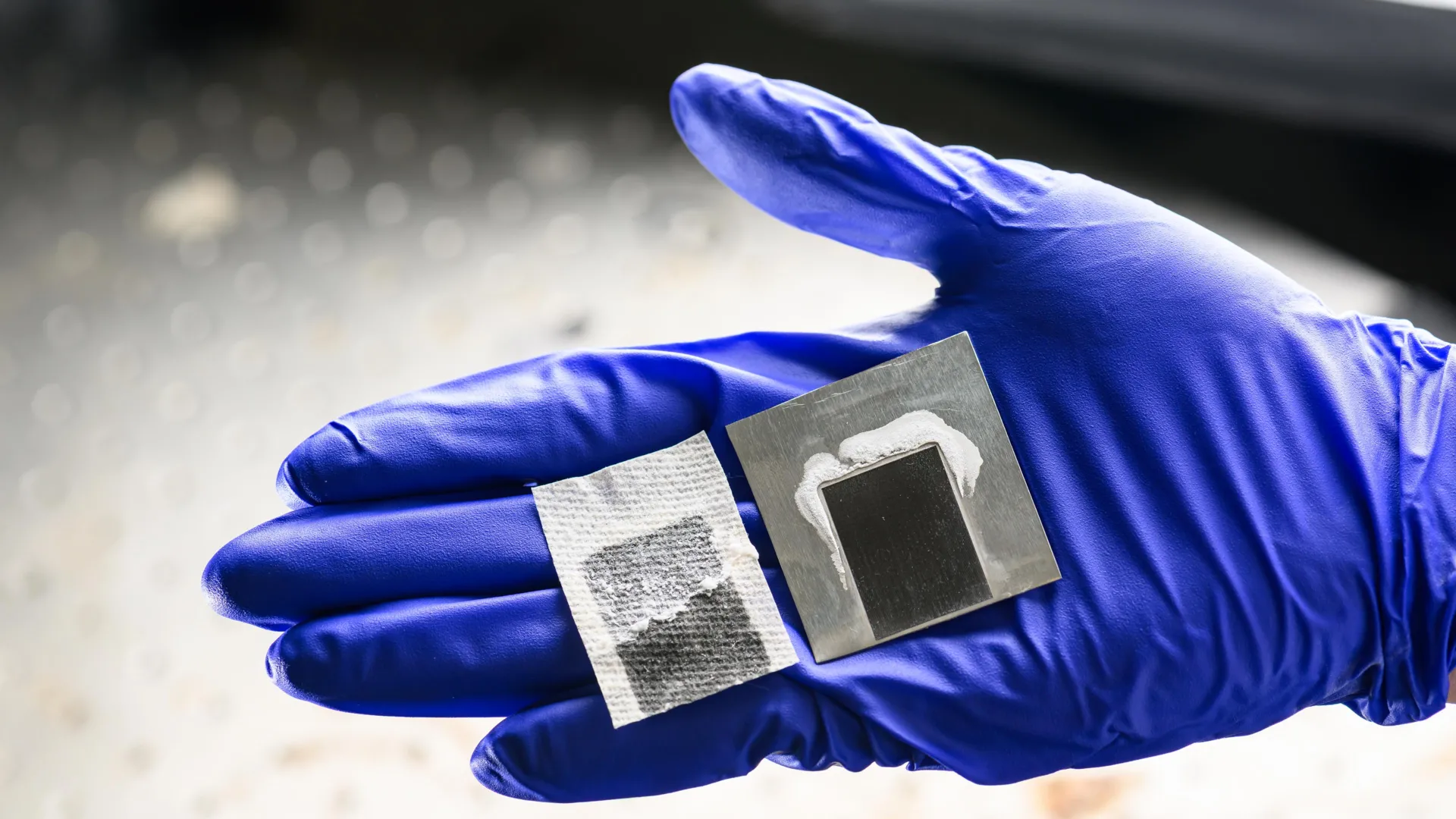
Solar desalination system eliminates toxic brine while producing fresh water
Scientists have developed a solar-powered desalination system that converts seawater into fresh water without producing toxic brine, a major
Solar desalination system eliminates toxic brine while producing fresh water
Scientists have developed a solar-powered desalination system that converts seawater into fresh water without producing toxic brine, a major
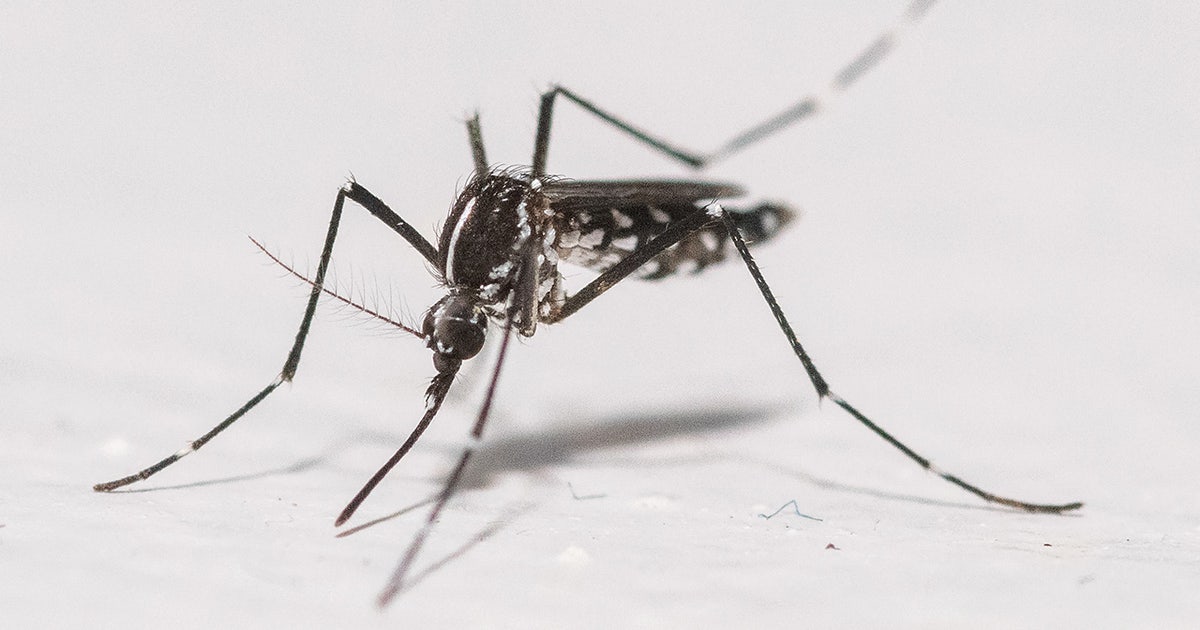
Google's Debug program seeks EPA approval to release 64 million modified mosquitoes in California and Florida
Google's Debug program plans to release up to 64 million genetically modified "good" mosquitoes in California and Florida over two years to
 bit.ly·5h ago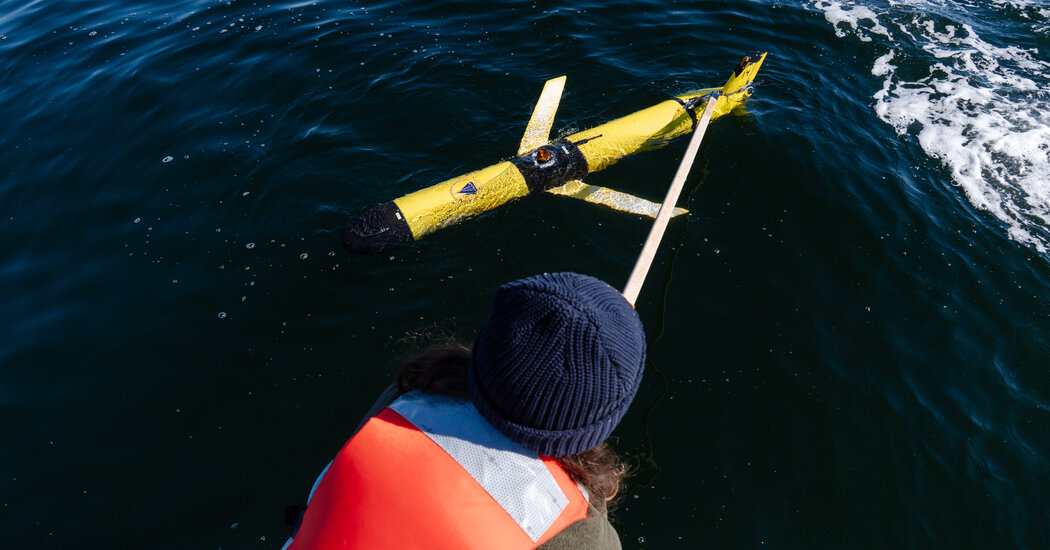
Emerging Technologies Could Replace Ship Speed Limits to Protect North Atlantic Right Whales
The article discusses how emerging technologies—such as satellite ping trackers, thermal cameras, and acoustic monitoring devices—could help
 nytimes.com·14h ago
Emerging Technologies Could Replace Ship Speed Limits to Protect North Atlantic Right Whales
The article discusses how emerging technologies—such as satellite ping trackers, thermal cameras, and acoustic monitoring devices—could help
nytimes.com·14h ago
Geoengineering: From 1965 White House Proposal to Mainstream Climate Solution
The article traces the history of geoengineering from a 1965 White House advisory to President Johnson, through Exxon's internal climate war
 atmos.earth·1d ago