

























Archaeologists Find Solstice Site at Bulford Predating Stonehenge by 500 Years
By
Richard Whiddington
Summary
Archaeologists have discovered that ancient peoples gathered at Bulford, just three miles east of Stonehenge, to celebrate the solstice 500 years before Stonehenge's famous megaliths were arranged. The site, which appears as an unremarkable hillside today, originally featured wooden posts aligned with the midwinter and midsummer sun, predating Stonehenge's solstice alignment by half a millennium. This finding reshapes understanding of prehistoric solstice traditions in the region.
Source
 Twitter / XArchaeologists Find Solstice Site at Bulford Predating Stonehenge by 500 Yearsnews.artnet.com
Key quotes
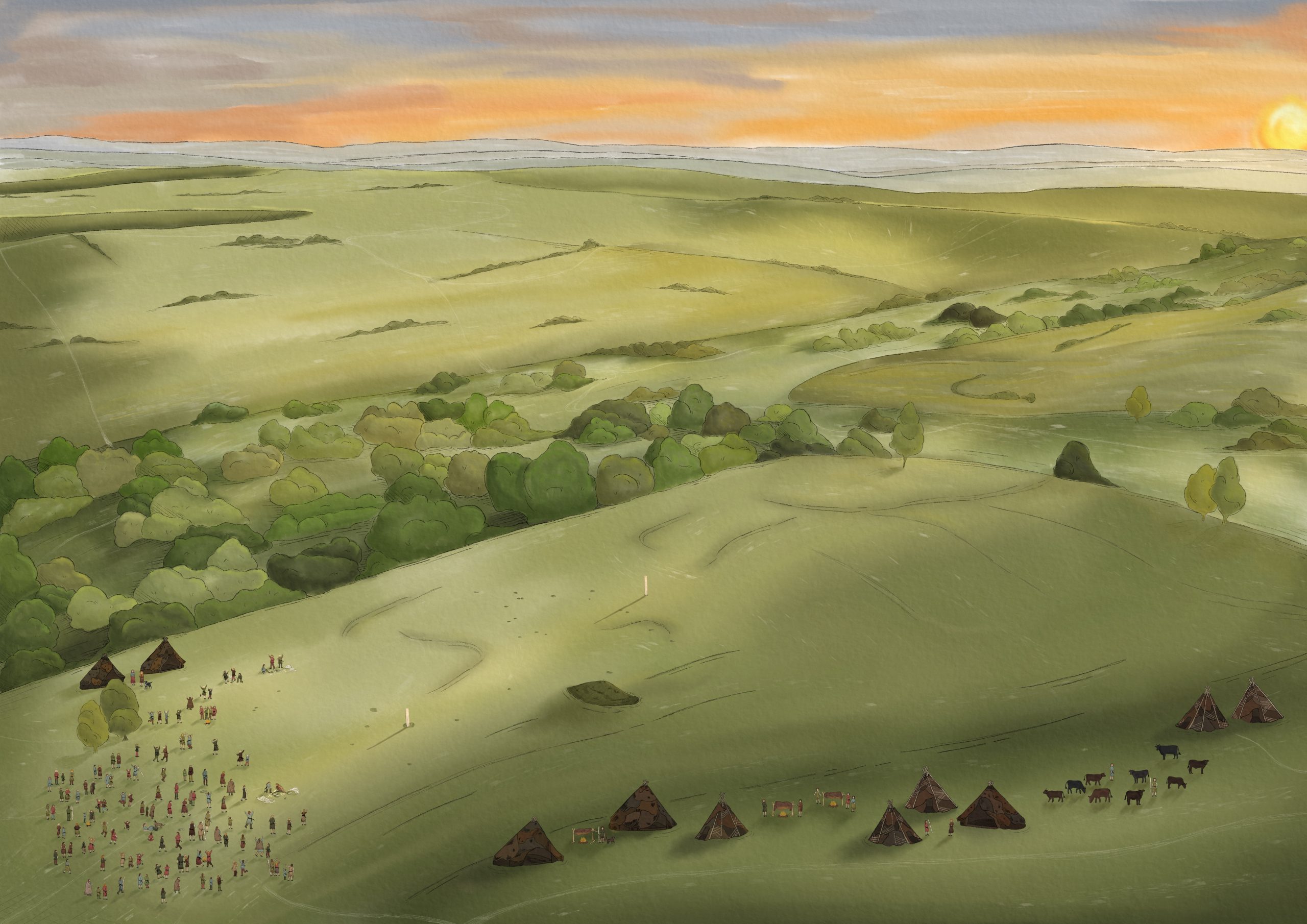
· 3 pulledFive hundred years before Stonehenge's megalith were dragged cross-country and arranged to align with the midwinter and midsummer sun, ancient peoples gathered at nearby Bulford to watch the sun rise and set between two wooden posts.
For many of these modern-day pilgrims, it's a communion with a 4,500-year-old ritual. Few, however, know that a mere three miles to the east there's an unremarkable hillside with an even older solstice tradition.
Ancient peoples were celebrating the solstice at Bulford 500 years before the stones were arranged at Stonehenge, researchers say.
You might also wanna read

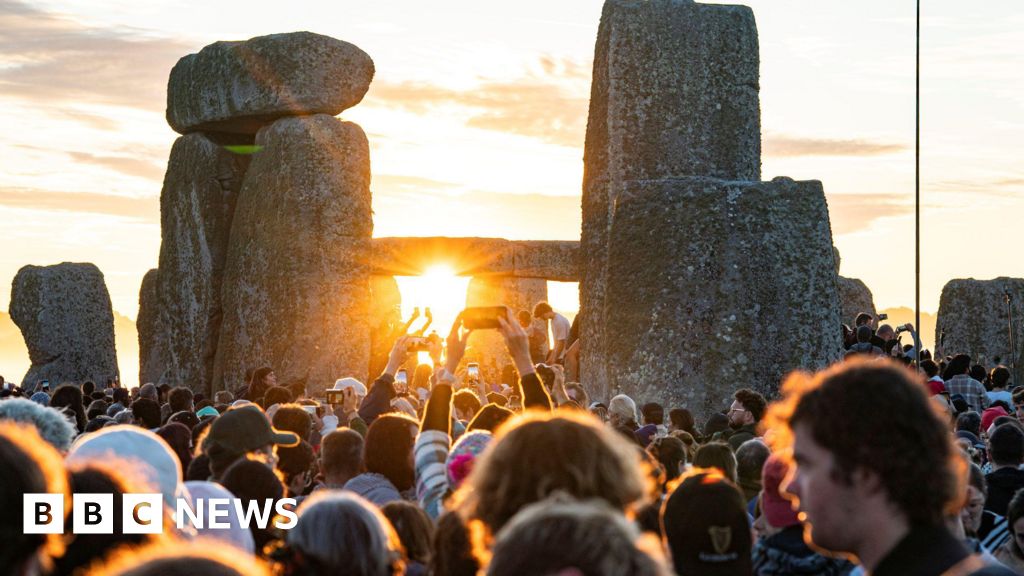
Thousands across the UK gather to celebrate summer solstice sunrise
Thousands gathered across the UK to celebrate the summer solstice, with over 20,000 people at Stonehenge in Wiltshire and others at beaches
 bbc.co.uk·1d ago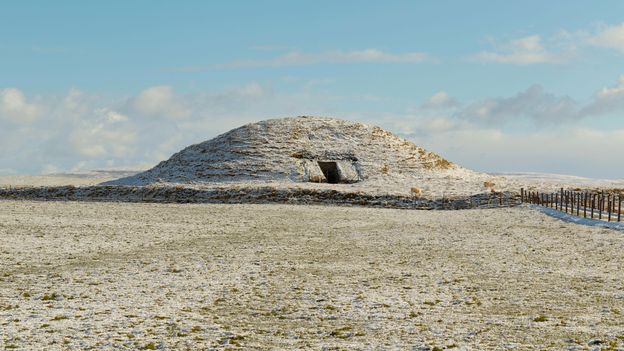
Ancient Monuments Aligned with Winter Solstice Sunrise and Sunset
The article explores ancient monuments across the Northern Hemisphere that align precisely with the winter solstice sunrise and sunset. Thes
 bbc.com·6mo ago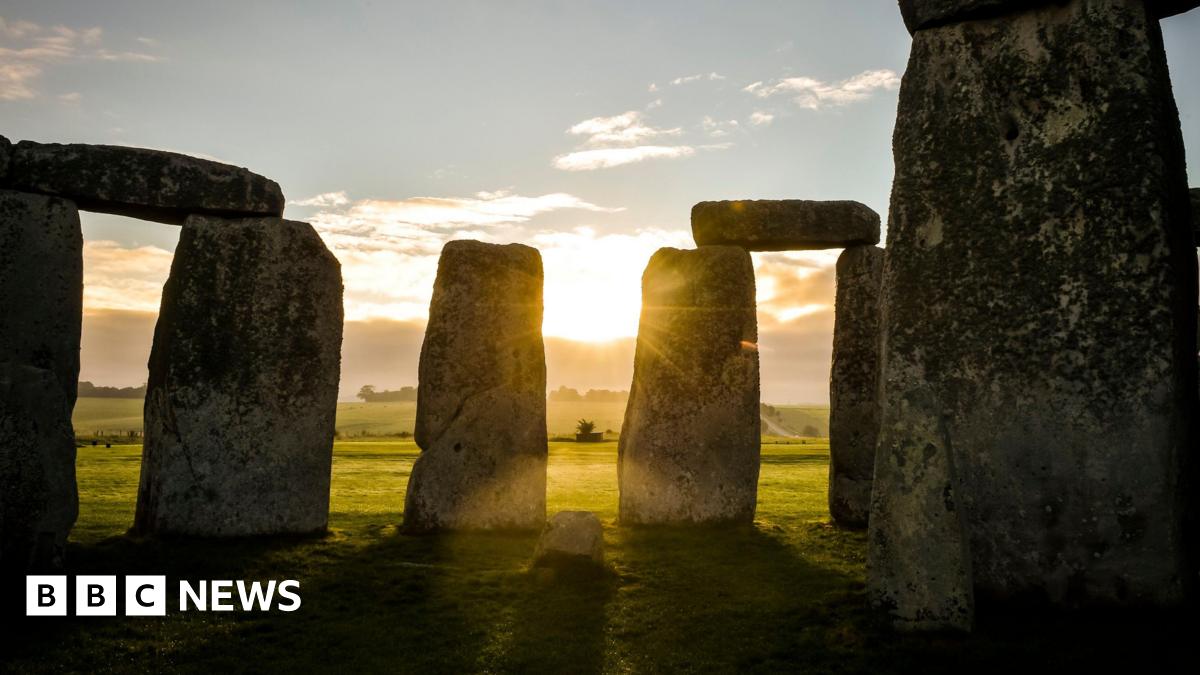
Study confirms humans transported Stonehenge stones hundreds of kilometers, glaciers only moved them partway
New research using geological analysis and computer modeling suggests that Stonehenge's massive stones were transported by humans over hundr
bbc.co.uk·18d ago
New Dating of White Sands Footprints Confirms Controversial Theory
The article discusses the new dating of footprints found at White Sands National Park in New Mexico, confirming a controversial theory about
arstechnica.com·1y agoGeochronology supports LGM age for human tracks at White Sands, New Mexico
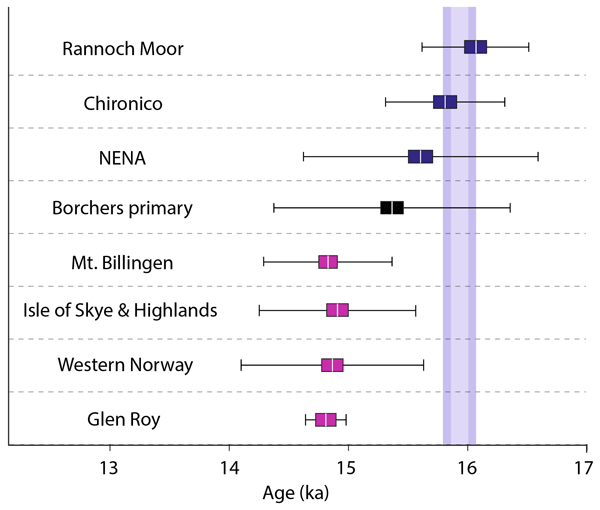
New 10Be production rate constraints from north-west Scotland improve cosmogenic surface-exposure dating for the last glacial termination
This paper reports new in situ cosmogenic 10Be (beryllium-10) production rate measurements from deglacial surfaces on the Redpoint Peninsula
 gchron.copernicus.org·16d ago
Comments
Sign in to join the conversation.
No comments yet. Be the first.