
























5,000-year-old wooden monument near Stonehenge shows early solstice alignment predating the stone circle
By
Michael Marshall
Summary
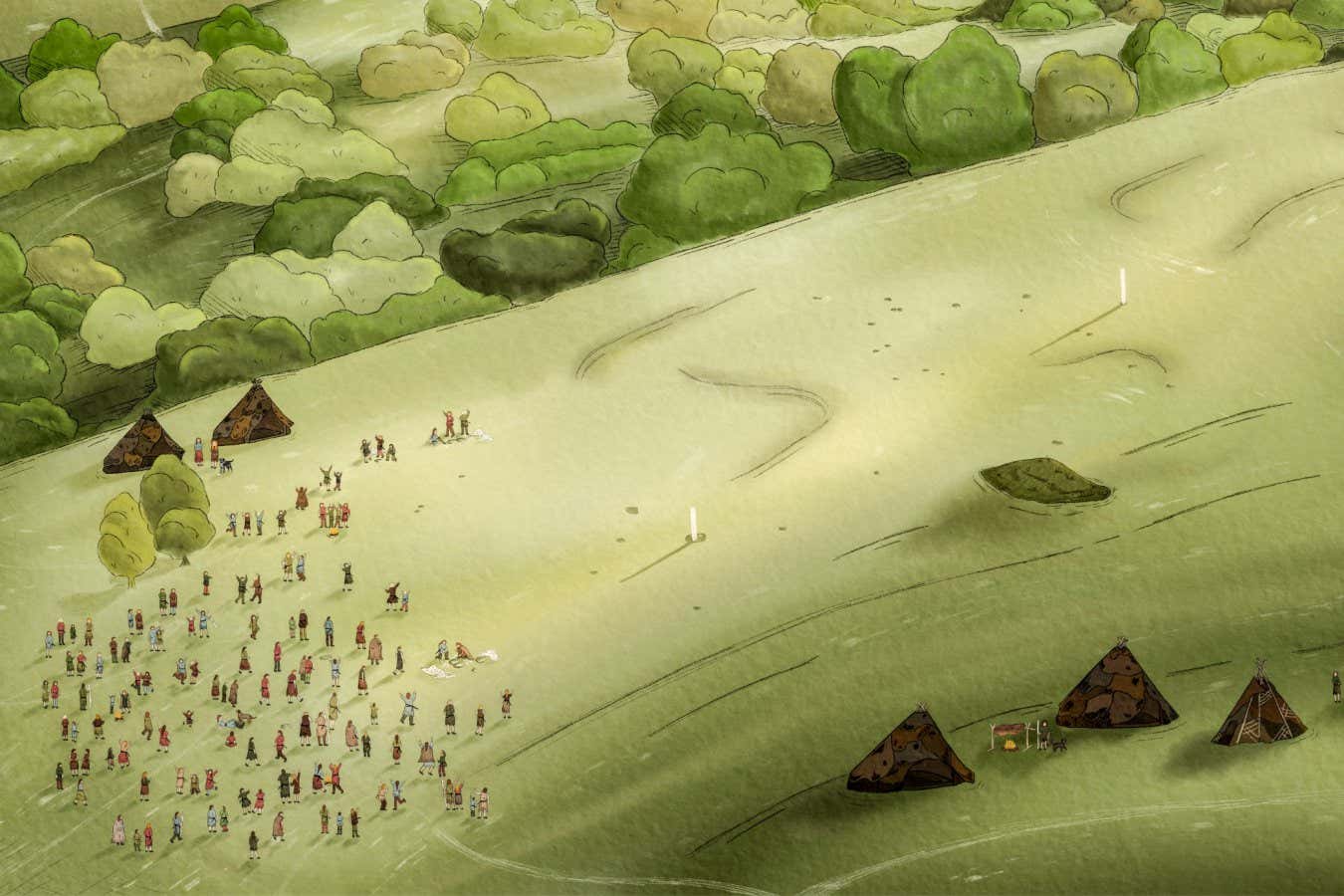
Archaeologists have discovered traces of a 5,000-year-old wooden monument located 5 kilometers from Stonehenge that was built to mark the summer solstice. This wooden structure predates Stonehenge by about 500 years and represents one of the earliest known examples of a monument aligned to an astronomical phenomenon in the British Isles. The discovery provides the first concrete proof that Stone Age peoples in Britain were capable of tracking and capturing the movement of the sun.
Source
 Twitter / X5,000-year-old wooden monument near Stonehenge shows early solstice alignment predating the stone circlenewscientist.com
Key quotes
· 1 pulledWhat we have now, for the first time, is actual proof that these people were capable of capturing the movement of the sun
You might also wanna read

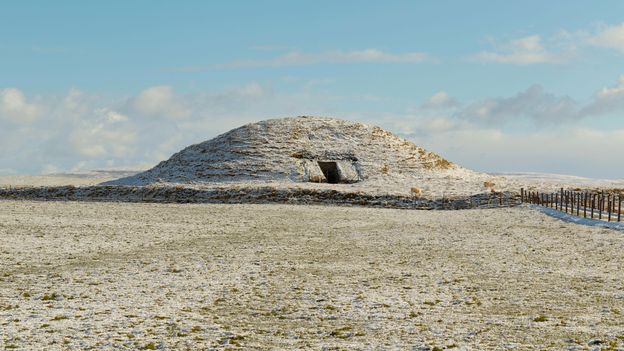
Ancient Monuments Aligned with Winter Solstice Sunrise and Sunset
The article explores ancient monuments across the Northern Hemisphere that align precisely with the winter solstice sunrise and sunset. Thes
 bbc.com·6mo ago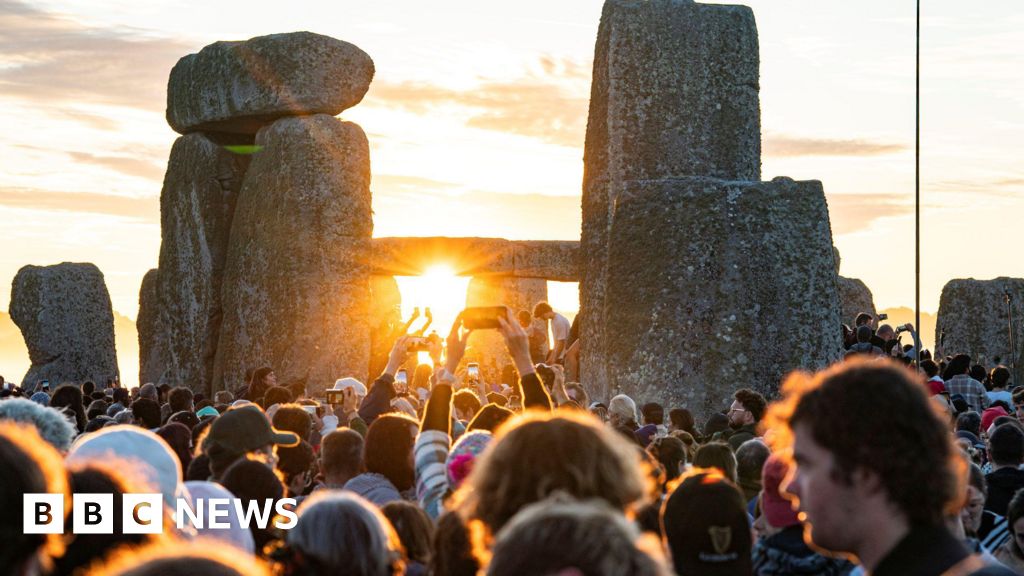
Thousands across the UK gather to celebrate summer solstice sunrise
Thousands gathered across the UK to celebrate the summer solstice, with over 20,000 people at Stonehenge in Wiltshire and others at beaches
 bbc.co.uk·4d ago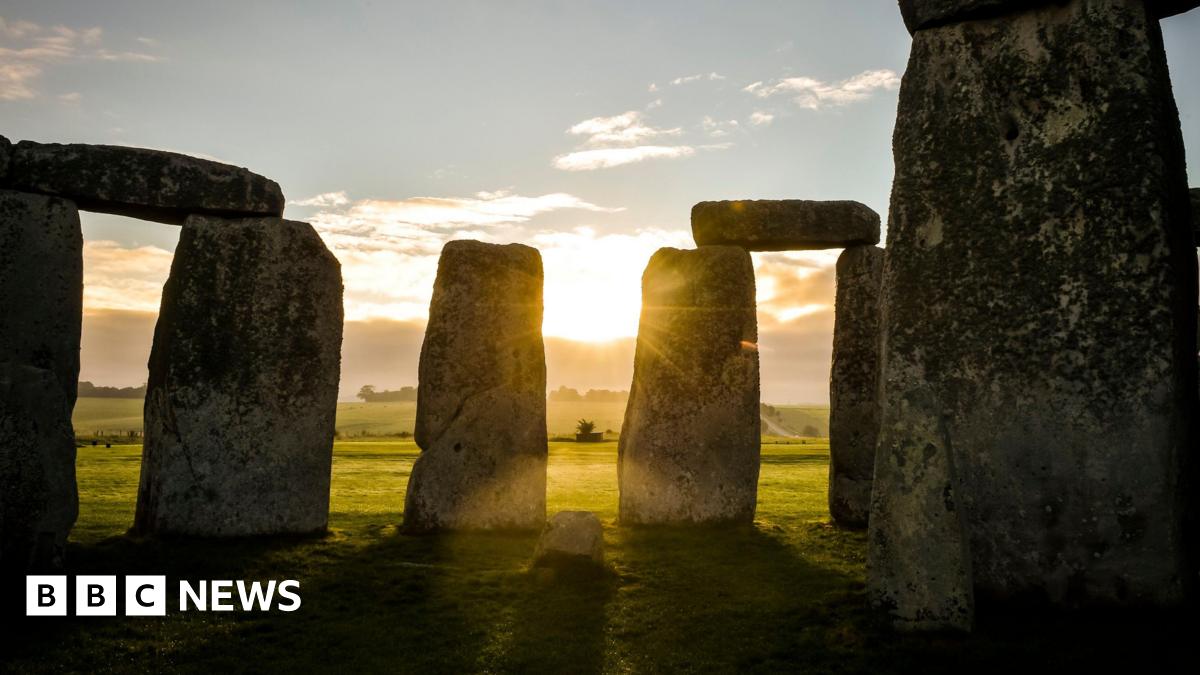
Study confirms humans transported Stonehenge stones hundreds of kilometers, glaciers only moved them partway
New research using geological analysis and computer modeling suggests that Stonehenge's massive stones were transported by humans over hundr
bbc.co.uk·20d ago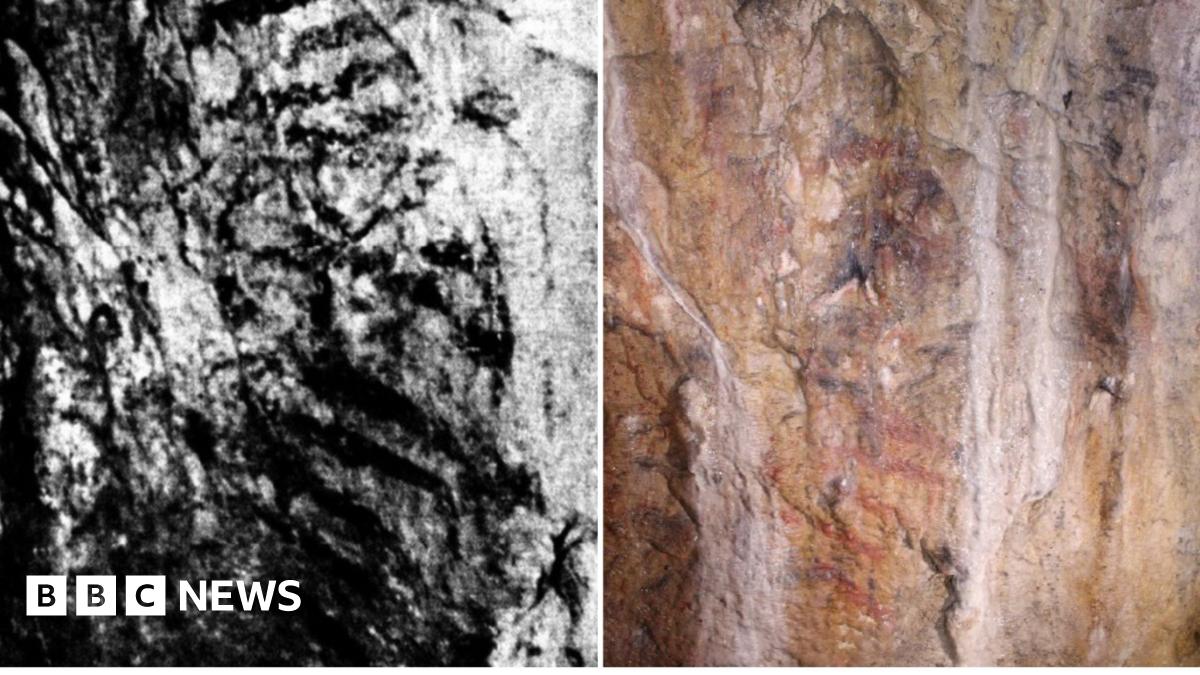
17,100-year-old rock art in Gower's Bacon Hole cave confirmed as Britain's earliest prehistoric engravings
Rock art discovered in 1912 in Bacon Hole cave on the Gower Peninsula, Wales, has been confirmed as Britain's earliest known prehistoric art
bbc.co.uk·23d ago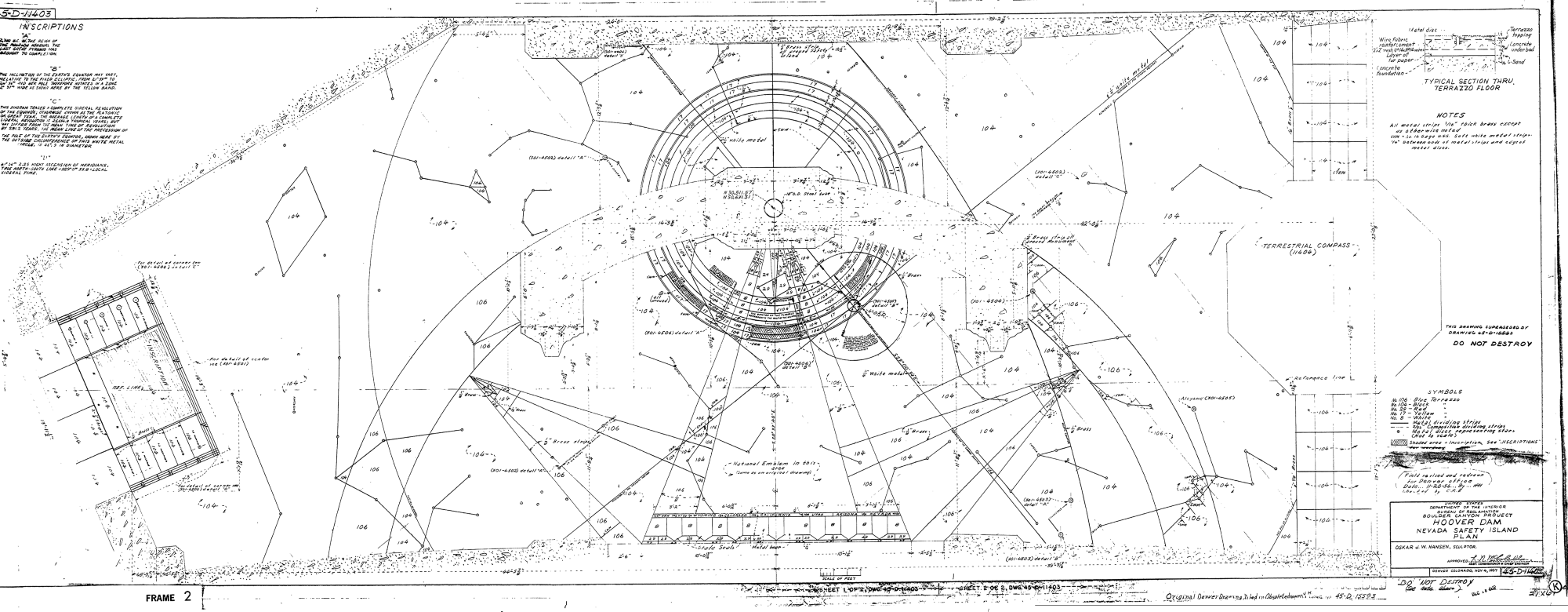
Hoover Dam's Hidden Astronomical Monument: A 26,000-Year Celestial Clock
The article reveals that the Hoover Dam contains a hidden astronomical monument on its western flank that serves as a celestial map marking
 longnow.org·5mo ago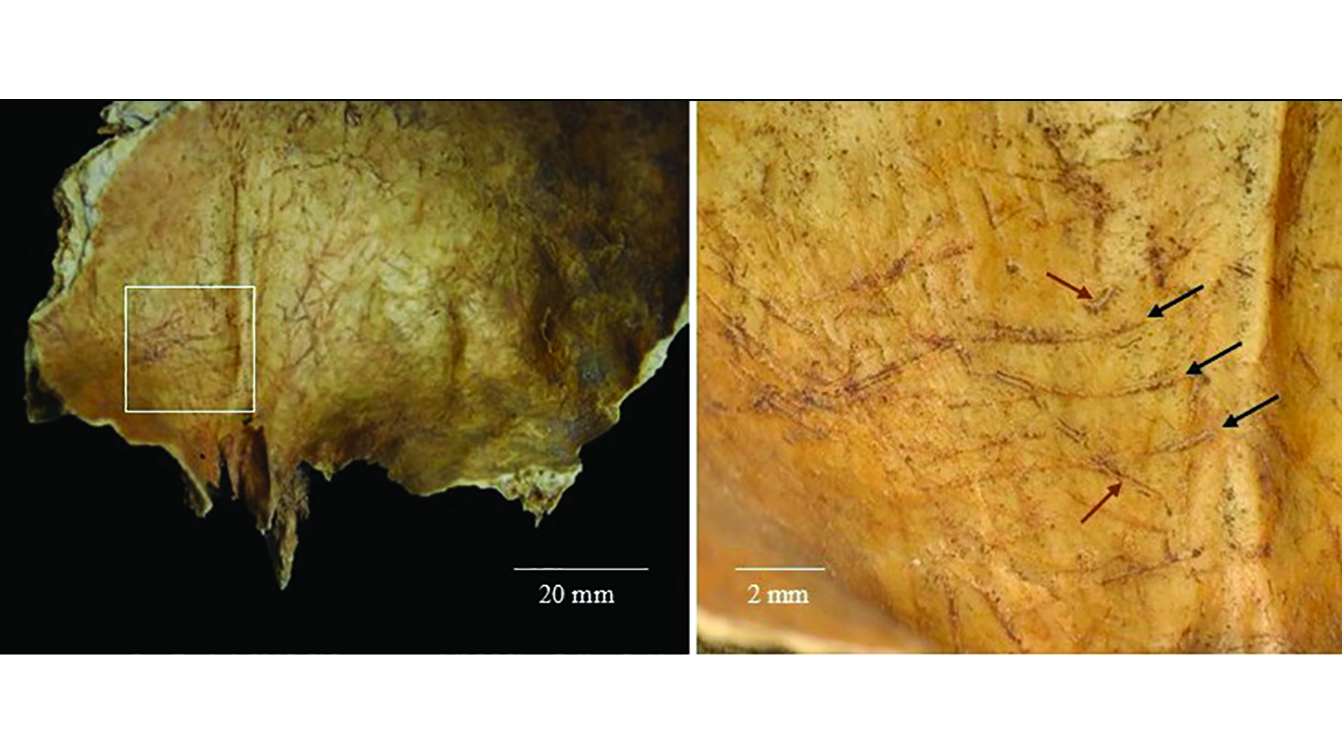
Iron Age burial in Scotland reveals brain removal and bone tool-making rituals 2,000 years ago
A new analysis of 2,000-year-old skeletons from northern Scotland reveals an unusual Iron Age funeral ritual where a woman's brain was remov
 livescience.com·15d ago
Comments
Sign in to join the conversation.
No comments yet. Be the first.