





















Hoover Dam's Hidden Astronomical Monument: A 26,000-Year Celestial Clock
By
mkmk

Crisp on the outside, thoughtful on the inside. A keeper.
Summary
The article reveals that the Hoover Dam contains a hidden astronomical monument on its western flank that serves as a celestial map marking the time of the dam's construction based on Earth's 25,772-year axial precession. The monument, commissioned by the US Bureau of Reclamation in 1931, includes massive bronze sculptures and a central flagpole in Monument Plaza that function as an astronomical clock aligned with the precession cycle. The design incorporates celestial alignments that would allow future civilizations to determine when the dam was built by observing star positions relative to the monument's markers.
Key quotes
· 4 pulledThe western flank of the Hoover Dam holds a celestial map that marks the time of the dam's creation based on the 25,772-year axial precession of the earth.
One of the two massive bronze cast sculptures that flank Hoover Dam's Monument Plaza.
On the western flank of the Hoover Dam stands a little-understood monument, commissioned by the US Bureau of Reclamation when construction of the dam began in 01931.
The most noticeable parts of this corner of the dam, now known as Monument Plaza, are the massive winged bronze sculptures and central flagpole which are often photographed.
You might also wanna read

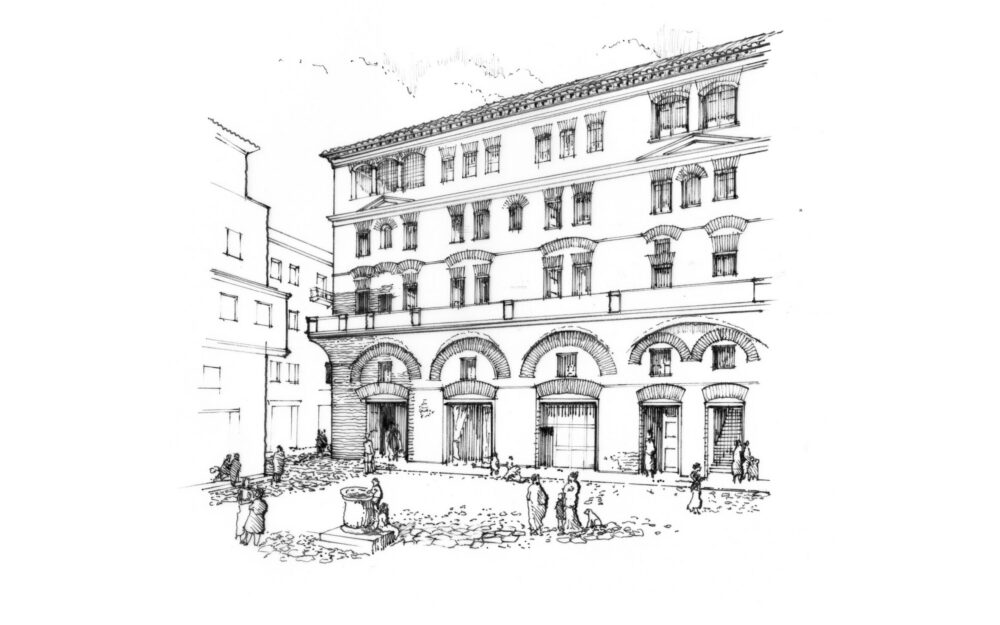
Roman Insulae: Ancient High-Density Urban Living 2,000 Years Ago
This article explores the history of Roman apartment buildings (insulae) as a form of high-density urban living from 2000 years ago. It exam
 commonedge.org·2d ago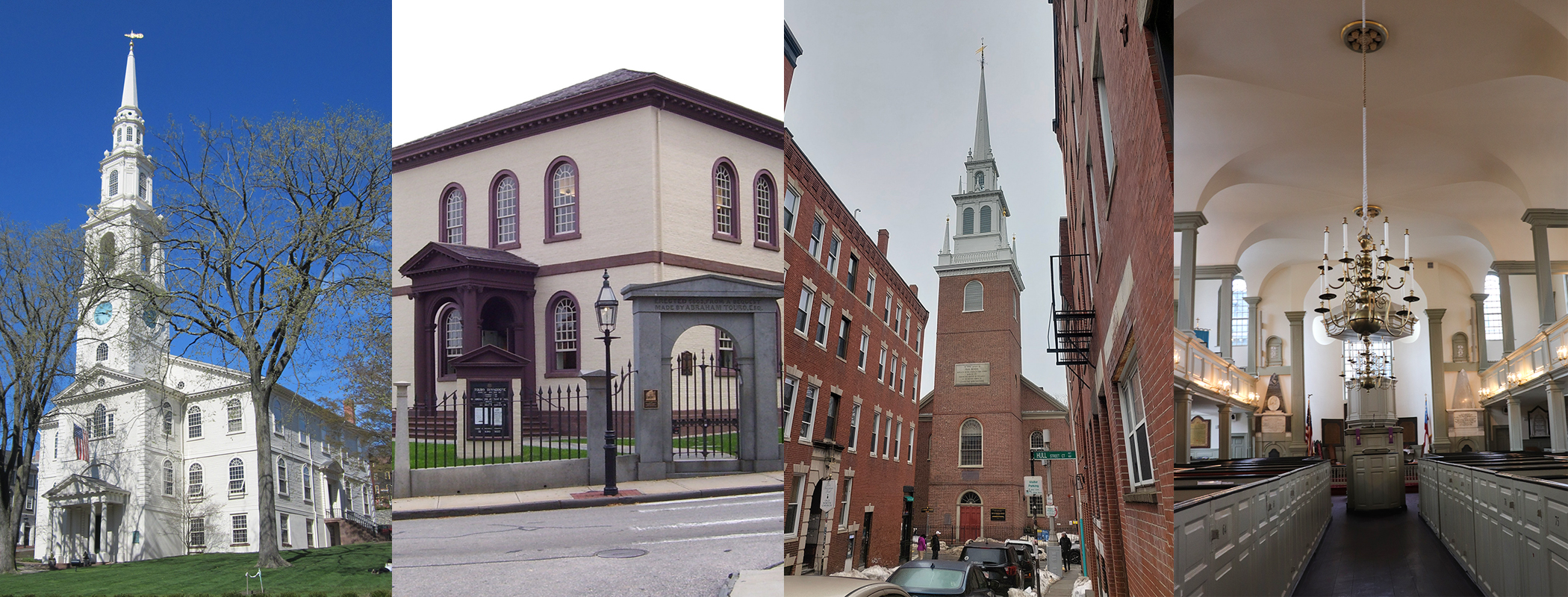
Four pre-Revolutionary houses of worship that still hold services in America today
Article explores four historic U.S. houses of worship that predate the American Revolution and still hold services today: Boston's Old North
 religionnews.com·3d ago
The Surreal History of America's Roadside Attractions
An essay exploring the history and cultural significance of American roadside attractions—whimsical, fantastical structures built in the 192
 theoffingmag.com·23d ago
Jeddah Tower architect says 1km skyscraper is on schedule, and 2km buildings are now realistic
Architect Gordon Gill discusses the Jeddah Tower in Saudi Arabia, which is set to become the world's first kilometre-tall building. Gill, co
 Dezeen·1mo ago
The Electromechanical Star Tracker System in B-52 Bombers for Celestial Navigation
The article describes the electromechanical angle computer used in the B-52 bomber's star tracker system for celestial navigation before GPS
 righto.com·1mo ago
Snøhetta and Santer Vanhoof Design Net-Positive Energy Building in Dunkirk Port
Snøhetta and Santer Vanhoof have designed Écosystème D, a "positive energy building" in Dunkirk port that generates more energy than it cons
Dezeen·1mo ago