





















The Electromechanical Star Tracker System in B-52 Bombers for Celestial Navigation
By
NelsonMinar

Hand-rolled, kettle-boiled, baked to perfection. Worth every minute at the bakery.
Summary
The article describes the electromechanical angle computer used in the B-52 bomber's star tracker system for celestial navigation before GPS. It explains how this automated system tracked stars and performed trigonometric calculations using mechanical components rather than digital computers, highlighting the engineering challenges and solutions of early automated celestial navigation technology.
Key quotes
· 4 pulledBefore GPS, how did aircraft navigate? One important technique was celestial navigation: navigating from the positions of the stars, planets, or the sun.
While celestial navigation is accurate, cannot be jammed, and doesn't require any broadcast infrastructure, it is a difficult and time-consuming process to perform manually.
In the early 1960s, an automated system was developed for the B-52 bomber to automatically track stars and compute navigation information.
Digital computers weren't suitable at the time, so the star tracking system performed trigonometric calculations with an electromechanical angle computer.
You might also wanna read


Airbus Advances Open Rotor Engine Development for Next-Generation Aircraft
Airbus is developing open rotor engine technology for its next-generation single-aisle aircraft planned for the 2030s. This innovative engin
 aerospaceamerica.aiaa.org·3mo ago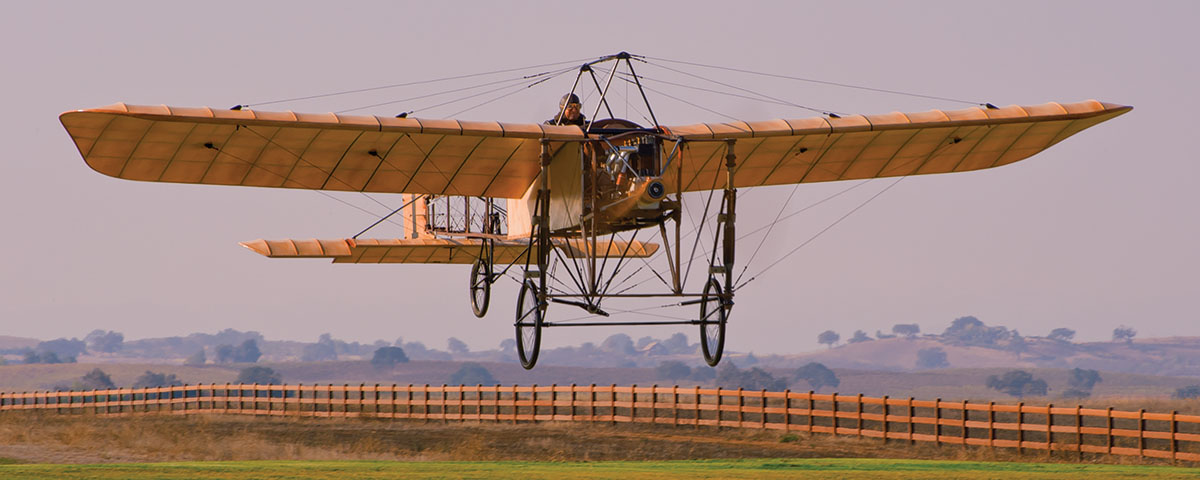
Restored 1911 Homebuilt Blériot Aircraft Returns to Flight After Teenage Brothers' Fabrication
The article discusses the VanDersarl Blériot, a unique homebuilt aircraft fabricated by teenage brothers in 1911 that has been restored to a
 historynet.com·6mo ago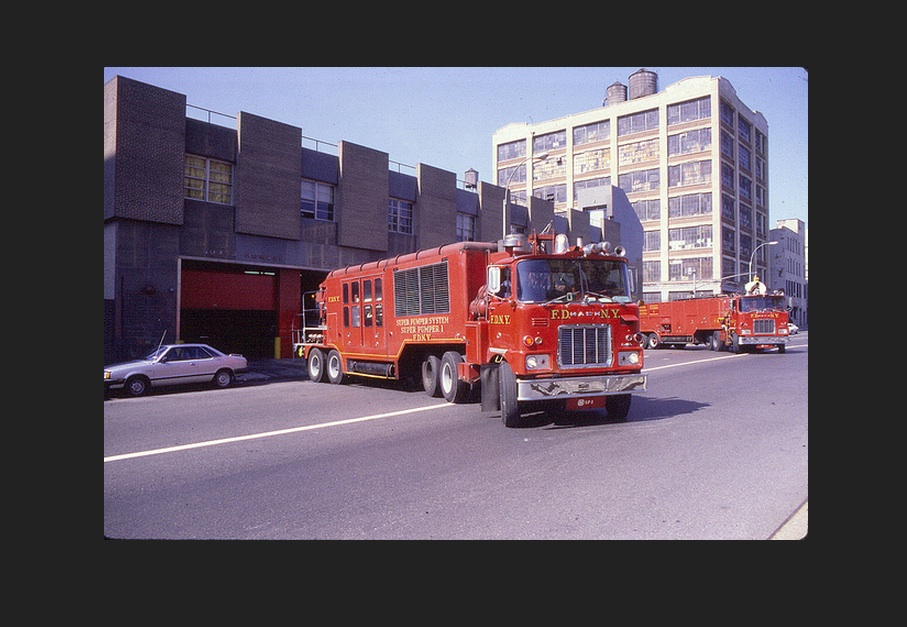
The Mack Super Pumper: NYC's Revolutionary Locomotive-Engined Firefighting System of the 1960s
The article details the Mack Super Pumper, a revolutionary firefighting vehicle developed for the New York City Fire Department in the 1960s
 bangshift.com·6mo ago
The Manhattan Project: An Engineering and Industrial History Beyond the Science
The Manhattan Project was far more than a scientific endeavor—it was an unprecedented industrial and engineering effort. Building the atomic
 construction-physics.com·8mo ago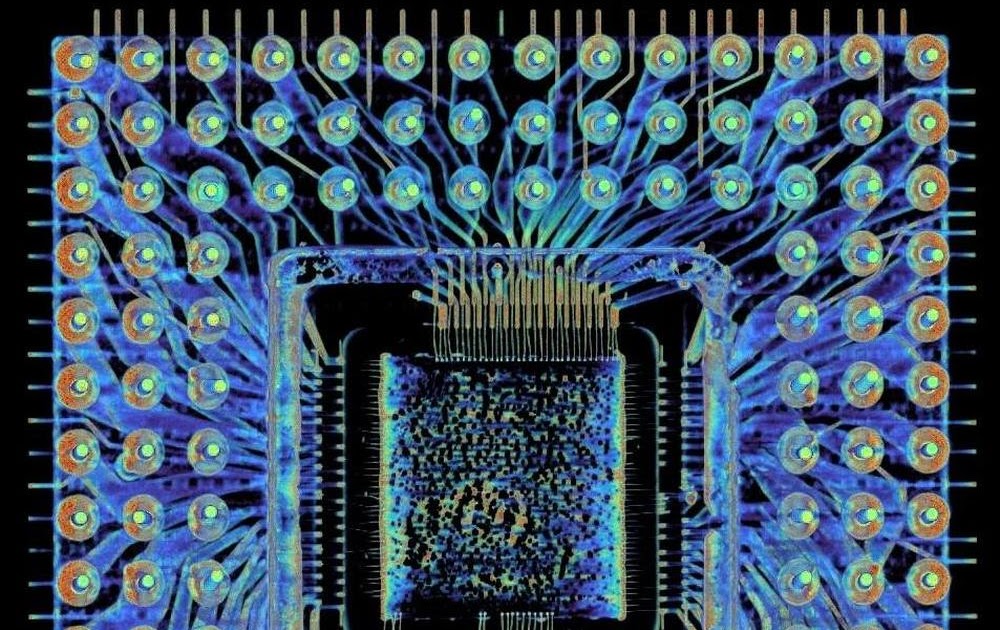
CT Scan Reveals Hidden Complexity Inside Intel's 386 Processor
A CT scan of Intel's 386 processor, released in 1985, reveals intricate internal wiring and hidden layers within its ceramic package. The sc
 righto.com·9mo ago
Boeing Everett Factory: World's largest building by volume with its own indoor microclimate
The Boeing Everett Factory in Washington is the world's largest building by volume at 472 million cubic feet, costing over $1 billion to con
 irishstar.com·8h ago