
























Adaptive DBS System Synchronized with Walking Cycle Reduces Falls in Parkinson's Patients, Small Study Finds
By
Lizette Borreli
Summary
A small feasibility study found that an adaptive deep brain stimulation (aDBS) system, personalized to sync with the walking cycle, improved gait stability and reduced falls in patients with Parkinson's disease. Unlike conventional continuous DBS, this system adjusts stimulation in fractions of a second based on patient-specific neural signals associated with each gait phase. Laboratory testing showed improved gait symmetry and consistency, and a blinded home crossover study demonstrated a reduction in falls without compromising overall motor control.
Source

 Twitter / XAdaptive DBS System Synchronized with Walking Cycle Reduces Falls in Parkinson's Patients, Small Study Findsmdsc.pe
Key quotes
· 2 pulledUnlike conventional DBS, which delivers continuous stimulation, the aDBS system adjusts stimulation within fractions of a second based on patient-specific neural signals associated with each gait phase.
In laboratory testing, the system improved gait symmetry and consistency, while a blinded home crossover study showed a reduction in falls without compromising overall motor control.
You might also wanna read

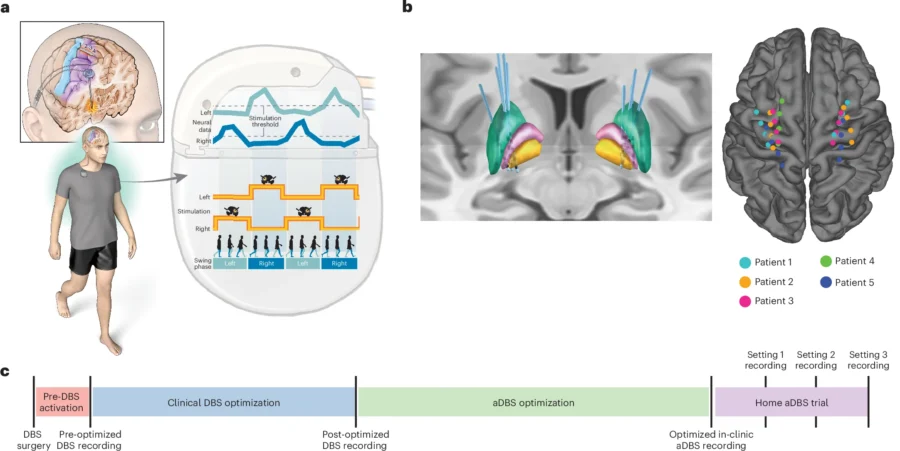
UC San Francisco develops brain implant that detects footsteps and reduces falls in Parkinson's patients
A team at UC San Francisco has developed a brain implant that reads neural signals associated with walking and adjusts deep brain stimulatio
 scienceblog.com·9d ago
TreeFrog’s 3D neural therapy targets Parkinson’s decline
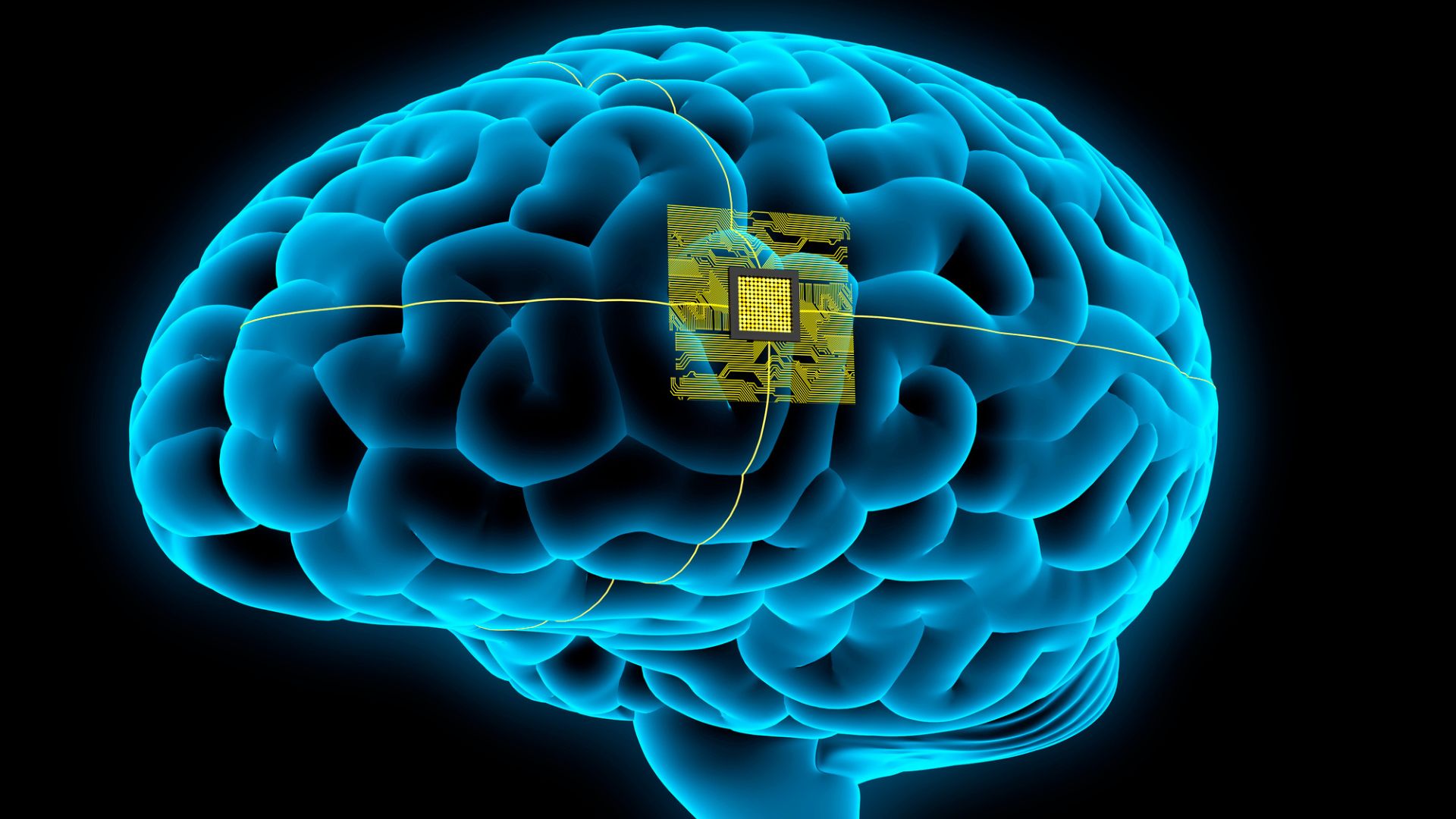
Ultra-flexible brain implant maintains 94% signal clarity after 18 months in rabbit study
A team of researchers from China and Japan has developed an ultra-flexible brain implant electrode array that maintains 94% signal clarity a
 interestingengineering.com·1d ago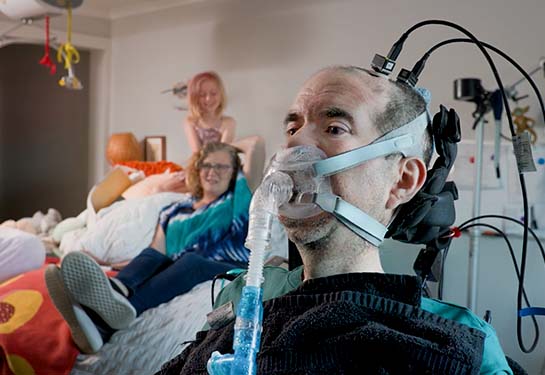
Brain-computer interface enables independent communication for man with ALS, study finds
A new study published in Nature Medicine demonstrates that a person with severe paralysis caused by ALS can use a brain-computer interface (
 health.ucdavis.edu·8d ago
Advances in Brain-on-a-Chip and BBB-on-a-Chip Models for Neurodegenerative Disease Research
This article reviews recent progress in brain-on-a-chip and blood-brain barrier (BBB)-on-a-chip microphysiologic platforms for modeling neur
 journals.sagepub.com·17h ago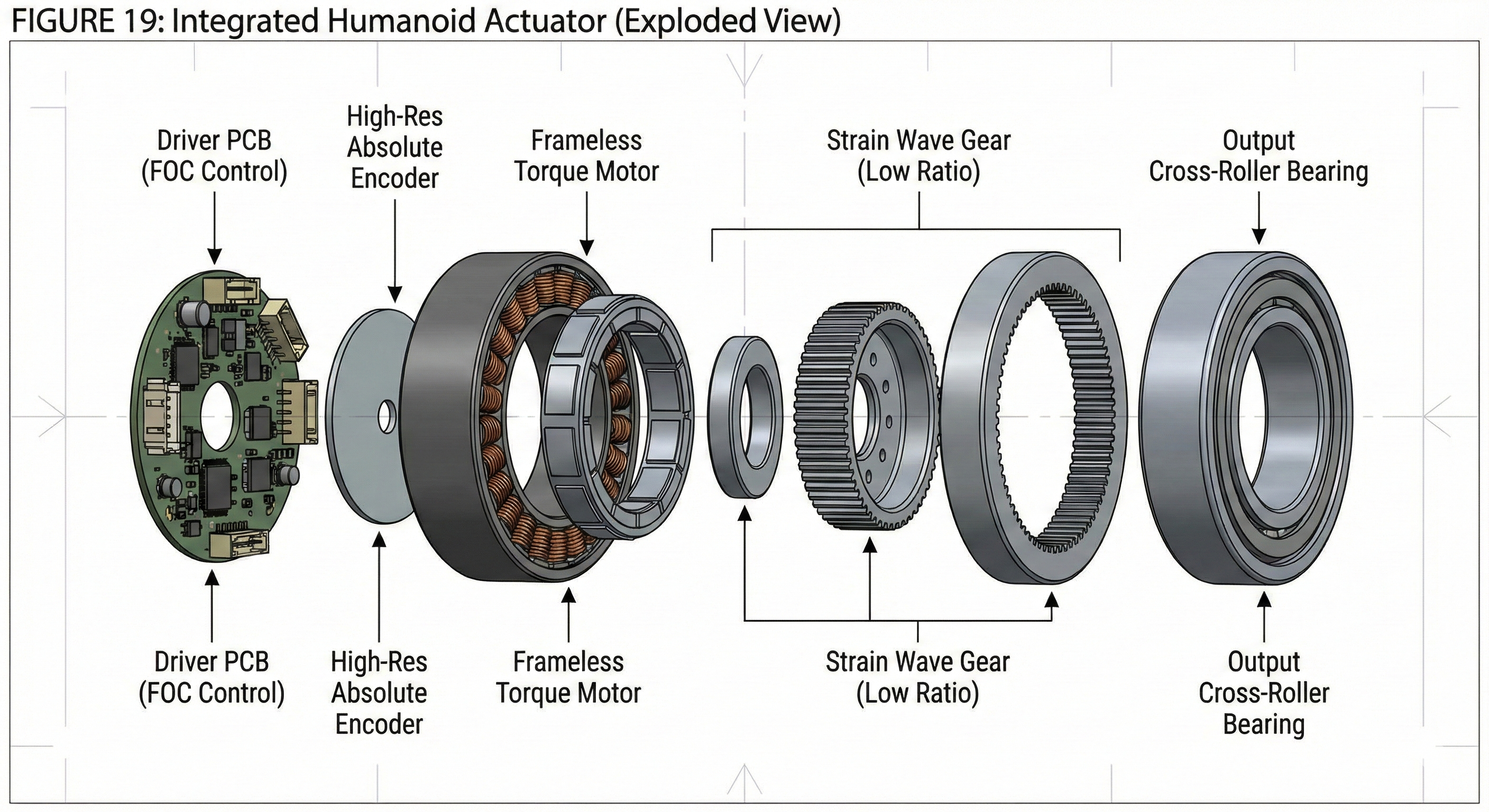
Humanoid Robot Actuators: Engineering Physics and Selection Guide for Bipedal Locomotion
A comprehensive engineering guide examining the physics and mechanical challenges of humanoid robot actuators. The article covers bipedal lo
 Firgelli Automations·1mo ago
Comments
Sign in to join the conversation.
No comments yet. Be the first.