





















Brain-computer interface enables independent communication for man with ALS, study finds
By
Nadine A Yehya

Hot, fresh, and worth queueing round the block for.
Summary
A new study published in Nature Medicine demonstrates that a person with severe paralysis caused by ALS can use a brain-computer interface (BCI) system at home to communicate, work, and interact with the digital world without needing researcher support. Developed at UC Davis in collaboration with Brown University and Mass General Brigham, the BCI system allows the user to 'speak' clearly and independently for prolonged periods, marking a significant advancement toward practical assistive technology for people with severe speech and motor impairments.
Key quotes
· 3 pulledA new study demonstrates that a person with severe paralysis caused by amyotrophic lateral sclerosis (ALS) can use a brain-computer interface (BCI) at home to communicate, work and interact with the digital world — without the need for researcher support.
Published today in Nature Medicine, its results mark a significant step toward delivering practical, assistive technology for people with severe speech and motor impairments.
The BCI system was developed at UC Davis, in collaboration with colleagues at Brown University and Mass General Brigham Neuroscience Institute.
You might also wanna read

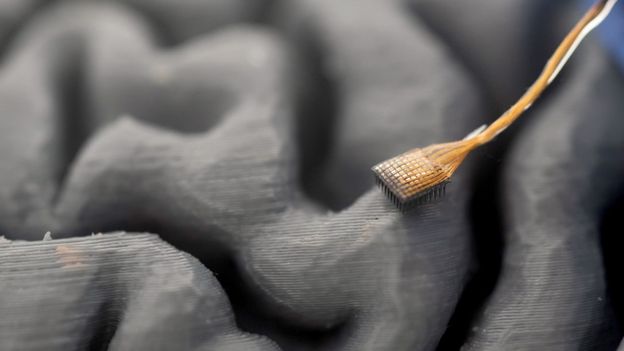
AI Decodes Brain Activity to Help Paralyzed Patients Communicate
Researchers at University of California, Davis are using artificial intelligence to decode brain activity and translate it into speech, part
 bbc.com·3mo ago
Brain Implant Decodes Internal Speech with Password Protection
A brain implant, or brain-computer interface (BCI), can decode a person's internal speech with 74% accuracy, but only when the user thinks o
 nature.com·10mo ago
MIT Study: Neural and Behavioral Effects of AI-Assisted Essay Writing Using EEG
This MIT Media Lab study examines the neural and behavioral effects of using AI assistants like ChatGPT for essay writing. Researchers divid
 media.mit.edu·4mo ago
Using Brain Imaging and AI to Enable Animal Communication
The article discusses the theoretical possibility of enabling animals to 'talk' using existing technology. It proposes combining real-time b
evanverma.com·7mo ago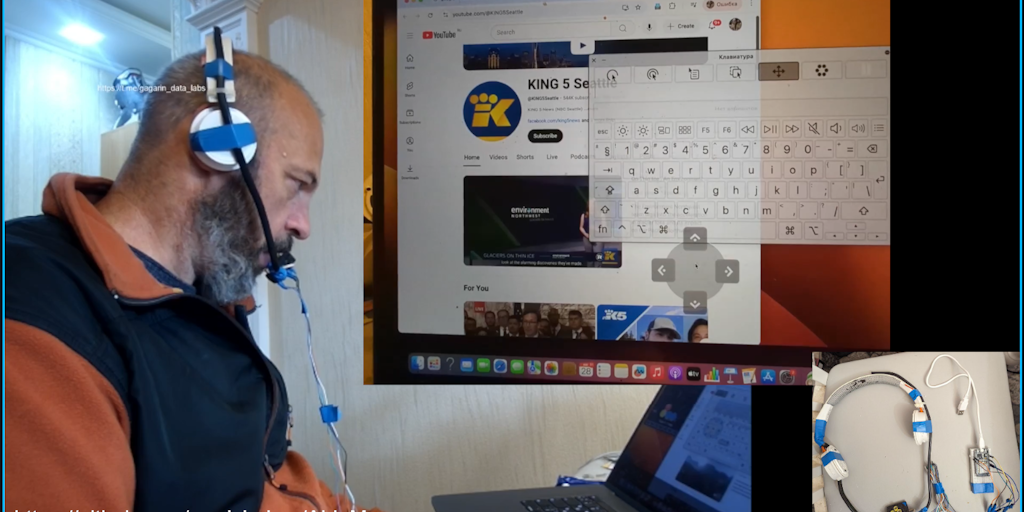
AbleMouse: Open-Source DIY Assistive Technology for Complete Paralysis
AbleMouse is an open-source DIY assistive technology solution that enables computer control for people with complete paralysis. The article
 Product Hunt·9mo ago
Study finds brain processes complex language during general anesthesia
Baylor College of Medicine researchers have discovered that the human brain can process sophisticated language while under general anesthesi
 BCM·1mo ago