
























Ultra-flexible brain implant maintains 94% signal clarity after 18 months in rabbit study
By
Mrigakshi Dixit
Summary
A team of researchers from China and Japan has developed an ultra-flexible brain implant electrode array that maintains 94% signal clarity after 18 months of implantation. The material boasts an electrical conductivity of 2,512 S/cm, enabling it to detect faint neural signals. Tested on rabbits over 550 days, the implant showed minimal inflammation and no significant immune response, suggesting strong biocompatibility for potential long-term brain-computer interface applications.
Source
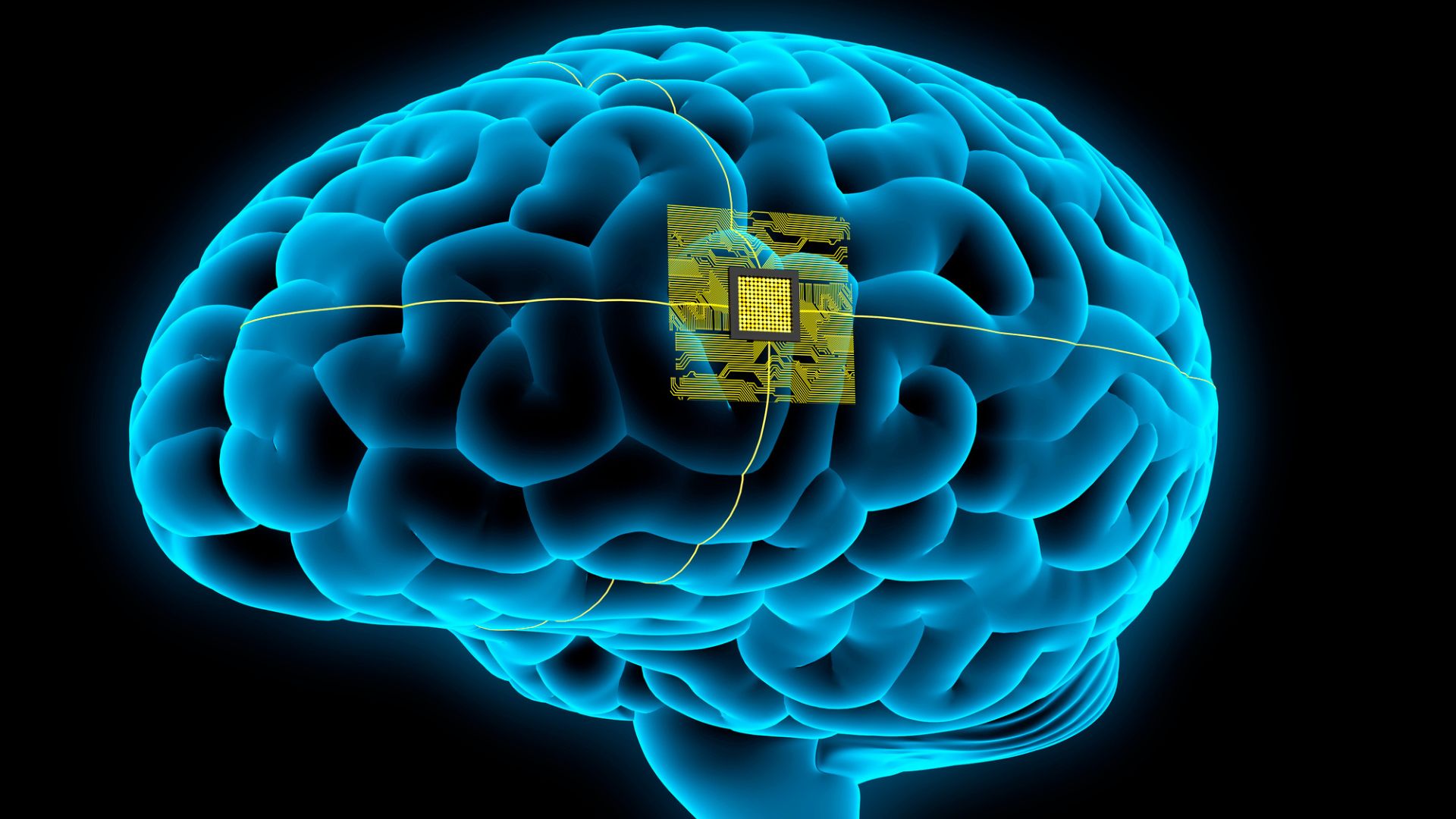
 bskyUltra-flexible brain implant maintains 94% signal clarity after 18 months in rabbit studyinterestingengineering.com
Key quotes
· 4 pulledIt has an electrical conductivity of 2,512 S/cm, letting it catch the faintest whispers of cellular thought.
For over 550 days, the freely moving animals broadcast crystal-clear neural activity.
Even after 18 months, the signal-to-noise ratio remained at 94 percent of its day-one clarity.
When the researchers examined the brain tissue using histological staining, they found almost no inflammation, no angry immune response.
You might also wanna read

Printed artificial neurons from MoS₂ successfully trigger firing in living mouse brain cells
Researchers at Northwestern University have successfully printed artificial neurons from molybdenum disulfide (MoS₂) on flexible plastic tha
 mdsc.pe·8h ago
Brain implant data enables reliable seizure prediction days in advance, study finds
Researchers have developed forecasting algorithms using brain implant data that can reliably predict seizure risk several days in advance. T
 universal-sci.com·3d ago
Shiitake Mushroom Mycelium Used to Create Sustainable Memristors for Neuromorphic Computing
Researchers have developed sustainable memristors using shiitake mushroom mycelium for high-frequency bioelectronics applications. The study
 journals.plos.org·7mo ago
Cornell Researchers Develop Analog 'Microwave Brain' Chip for Ultrafast Signal Processing
Cornell University researchers have developed a novel analog electronic chip called a 'microwave brain' that processes ultrafast data and wi
 newatlas.com·10mo ago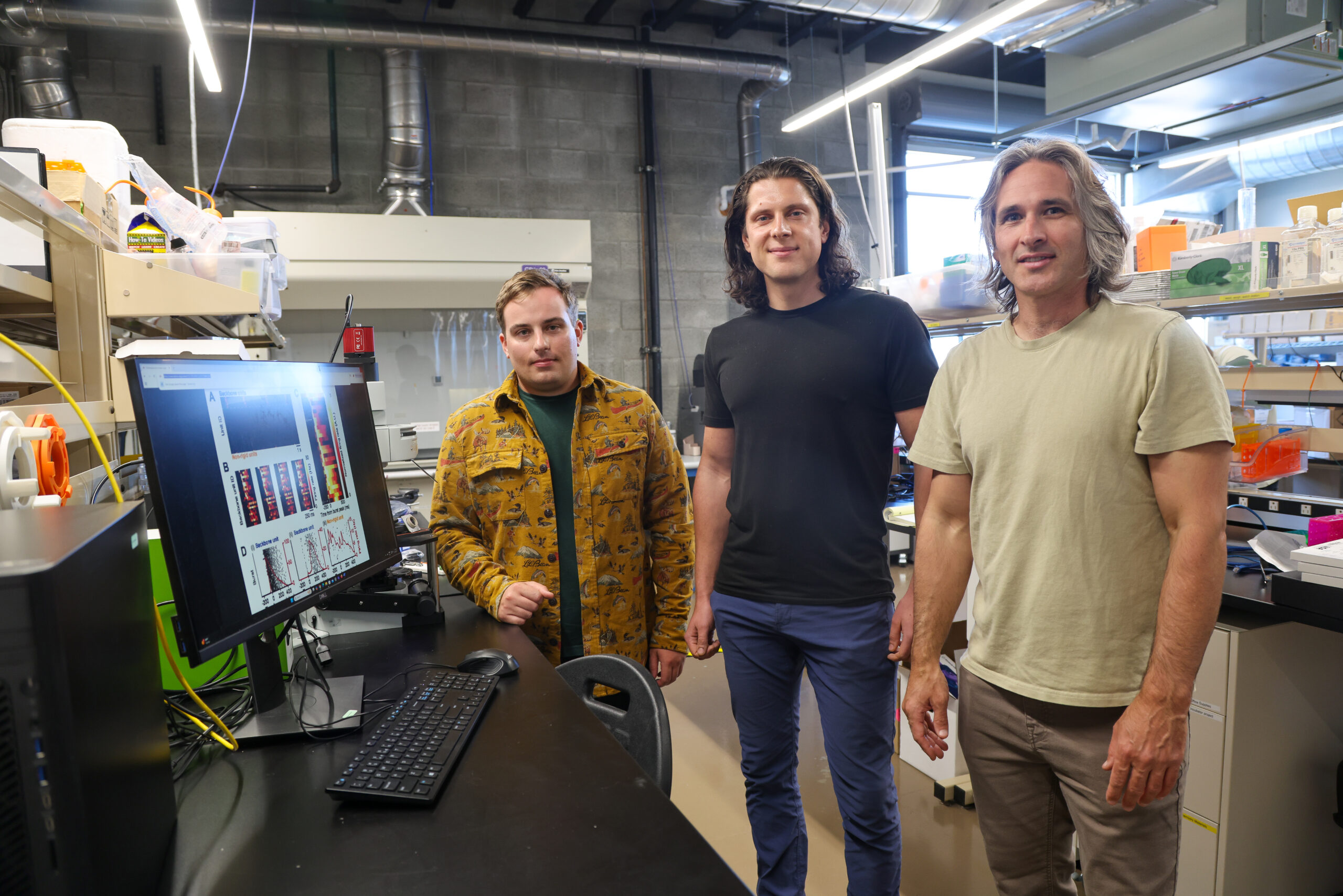
Brain Organoid Research Reveals Pre-Configured Electrical Patterns in Early Human Brain Development
Researchers at UC Santa Cruz used brain organoids to study early brain development, discovering that human brains show organized electrical
 news.ucsc.edu·7mo ago
Research Team Collects 10,000 Hours of Neuro-Language Data for Thought-to-Text Models
A research team has collected approximately 10,000 hours of neuro-language data from thousands of individuals over six months, claiming it t
 condu.it·6mo ago
Comments
Sign in to join the conversation.
No comments yet. Be the first.