
























Printed artificial neurons from MoS₂ successfully trigger firing in living mouse brain cells
By
David Brzostowicki
Summary
Researchers at Northwestern University have successfully printed artificial neurons from molybdenum disulfide (MoS₂) on flexible plastic that produce spiking waveforms closely matching biological action potentials. In experiments with living Purkinje cells in mouse cerebellar tissue, these artificial spikes drove real brain cells to fire — marking the first demonstration that a printed device can produce electrical signals that biological neurons accept and respond to. Published in Nature Nanotechnology, this breakthrough could pave the way for a new generation of neural interfaces and implants.
Source
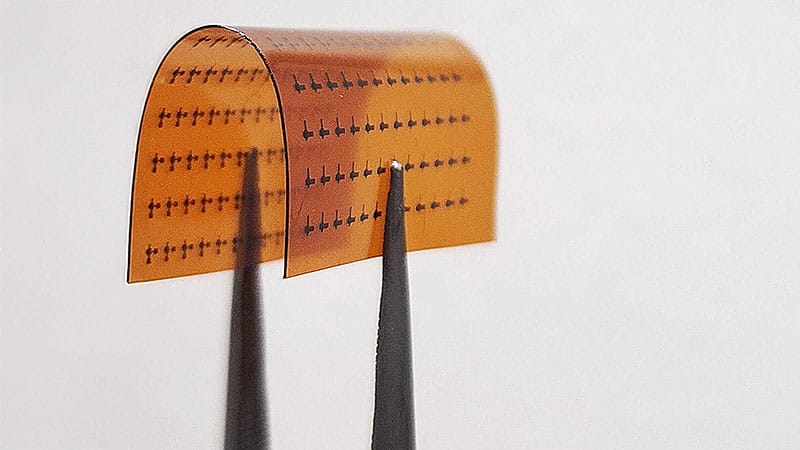
 Twitter / XPrinted artificial neurons from MoS₂ successfully trigger firing in living mouse brain cellsmdsc.pe
Key quotes
· 3 pulledThe artificial spikes drove the cells to fire — the first demonstration that a printed device can produce electrical signals a real brain cell accepts and responds to.
An array of artificial neurons printed on a flexible wafer produce spiking waveforms closely matching biological action — and drive living mouse brain cells to fire.
The result, recently published in Nature Nanotechnology, could lay groundwork for a new generation of neural interfaces.
You might also wanna read

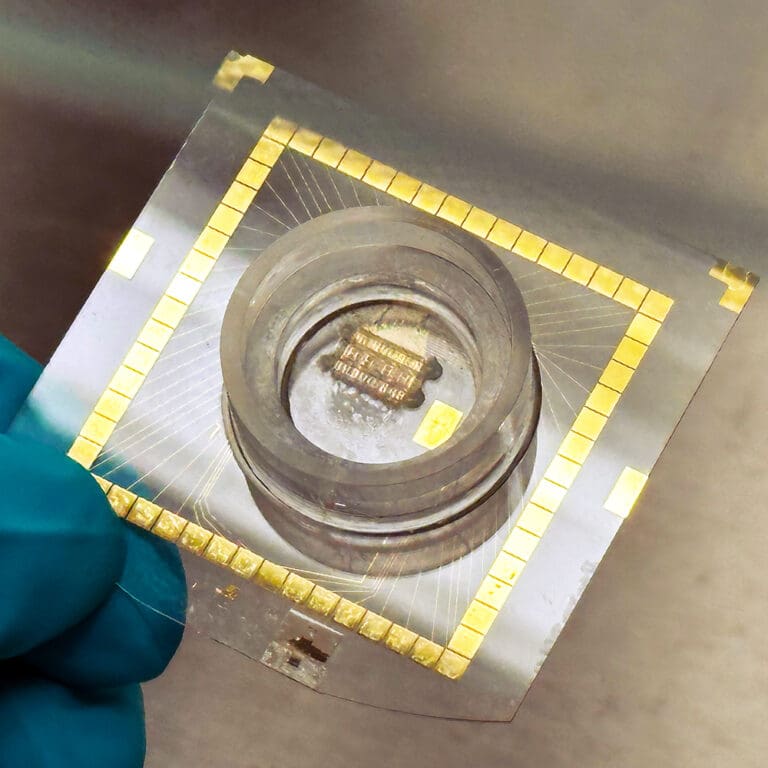
Princeton researchers create 3D brain-computer hybrid device with 70,000 living neurons
Princeton University researchers have developed a 3D device that integrates roughly 70,000 living biological neurons with electronics to per
 ethicalpsychology.com·9d ago
Scientists Use Conductive Plastics to Mimic Heart Muscle Cell Signaling for First Time
Researchers at Linköping University (LiU) have achieved a breakthrough by using organic electronics based on conductive plastics to artifici
 technologynetworks.com·2d ago
Scientists use conductive plastic to mimic heart muscle cell signaling for first time
Researchers at Linköping University (LiU) have achieved a breakthrough by using organic electronics based on conductive plastics to artifici
 tinyurl.com·20d ago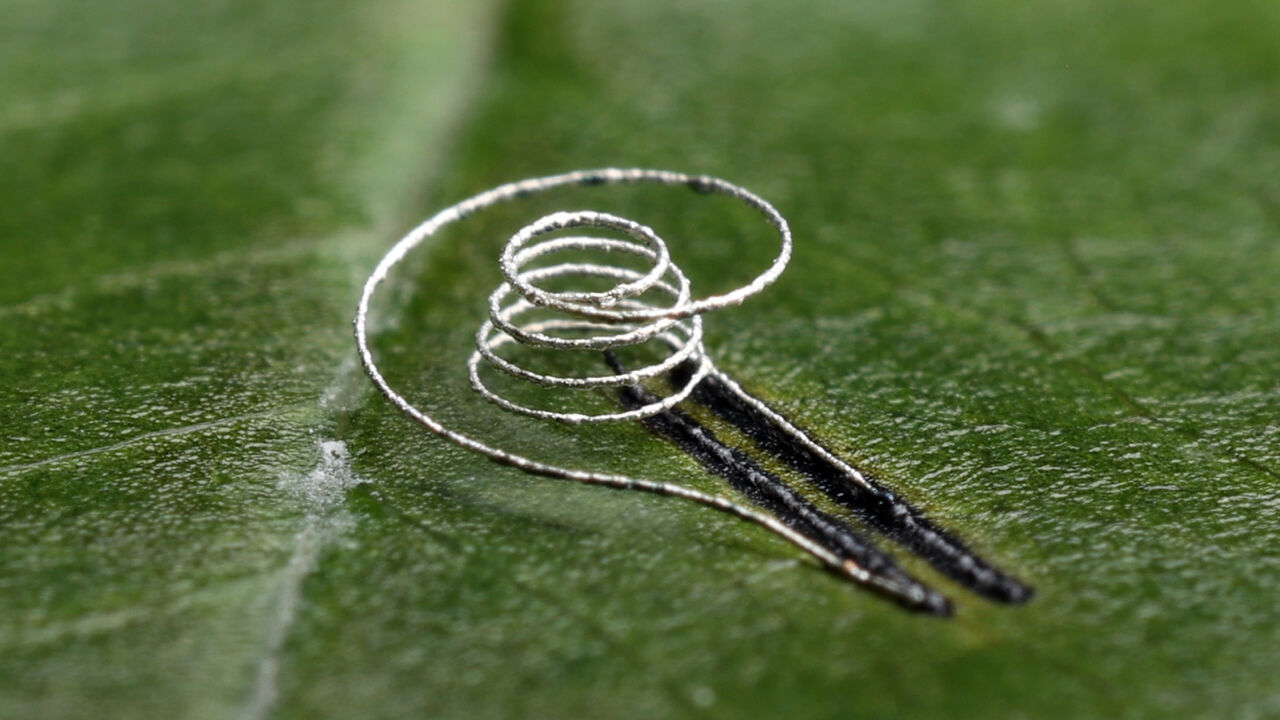
Researchers develop method to print electronic circuits directly onto living tissue
This article reports on a scientific breakthrough where researchers have developed a method to print electronic circuits directly onto livin
 econ.st·8h ago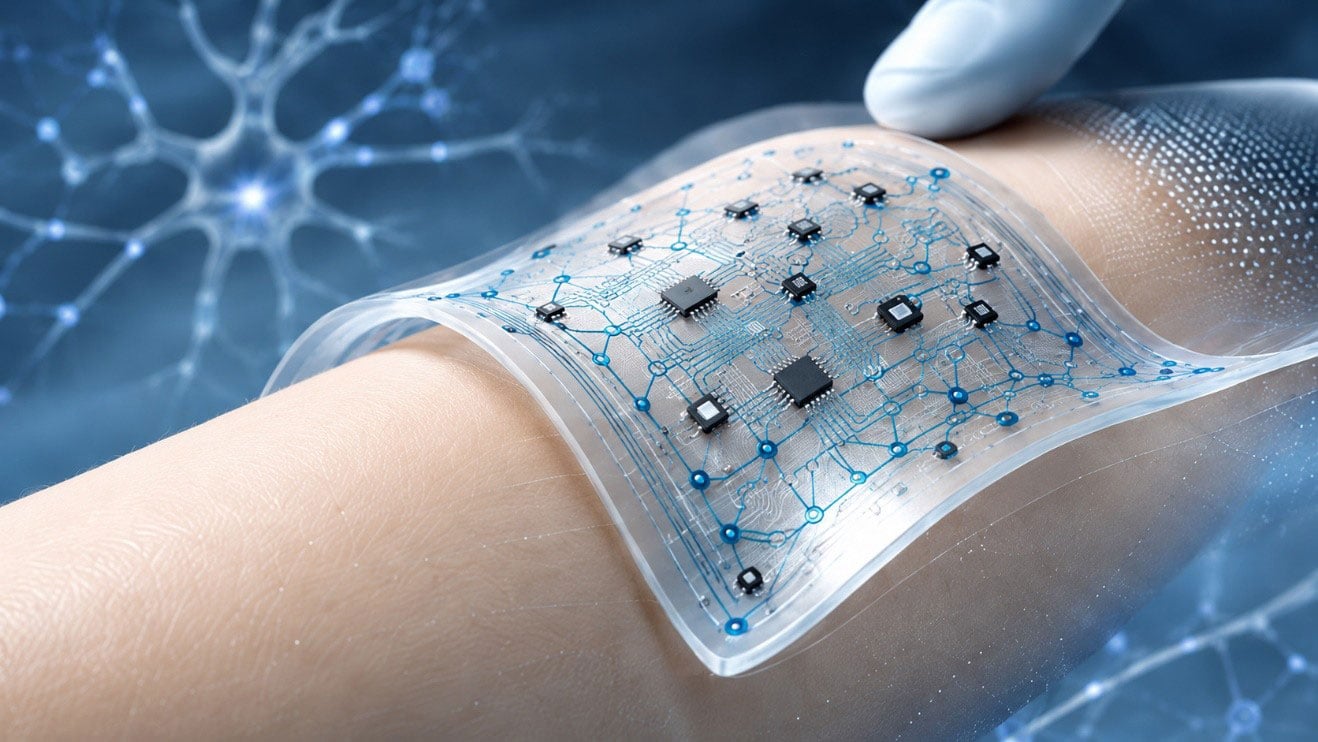
Researchers Develop Stretchable Neuromorphic Electronics for Wearable AI and Human-Machine Integration
Researchers are developing stretchable, neuromorphic electronics that mimic the brain's information processing, replacing rigid silicon-base
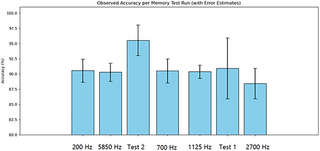
Shiitake Mushroom Mycelium Used to Create Sustainable Memristors for Neuromorphic Computing
Researchers have developed sustainable memristors using shiitake mushroom mycelium for high-frequency bioelectronics applications. The study
 journals.plos.org·7mo ago
Comments
Sign in to join the conversation.
No comments yet. Be the first.