





















Scientists use conductive plastic to mimic heart muscle cell signaling for first time
By
Anders Törneholm

Solid neighbourhood-bakery energy. Trustworthy and warm.
Summary
Researchers at Linköping University (LiU) have achieved a breakthrough by using organic electronics based on conductive plastics to artificially mimic the ion signaling of heart muscle cells for the first time. Published in Nature Communications, this advancement could lead to new types of prostheses, heart implants, and sensors in the long term.
Key quotes
· 3 pulledFor the first time, scientists have succeeded in artificially mimicking the ion signalling of heart muscle cells.
To succeed, researchers at LiU have used organic electronics based on conductive plastics.
The findings, published in Nature Communications, open up for new types of prostheses, heart implants and sensors in the long term.
You might also wanna read


Cells Use Bioelectric Signals to Coordinate Collective Expulsion of Unhealthy Cells
Recent research published in Nature reveals that cells use bioelectricity to coordinate a collective behavior called extrusion, where tissue
 quantamagazine.org·4mo ago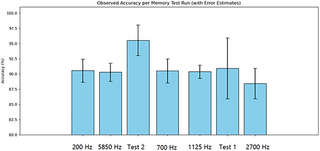
Shiitake Mushroom Mycelium Used to Create Sustainable Memristors for Neuromorphic Computing
Researchers have developed sustainable memristors using shiitake mushroom mycelium for high-frequency bioelectronics applications. The study
 journals.plos.org·7mo ago
Brain Organoid Research Reveals Pre-Configured Electrical Patterns in Early Human Brain Development
Researchers at UC Santa Cruz used brain organoids to study early brain development, discovering that human brains show organized electrical
 news.ucsc.edu·6mo ago
Fungal Electronics: Living Electronic Devices Made from Mycelium
Fungal electronics is a new field of living electronic devices made from mycelium (fungal networks) that can change their electrical impedan
 arxiv.org·3mo ago
Lead-Free Organic-Inorganic Halobismuthate Material Developed for Large Piezoelectric Effect
Researchers have developed a lead-free organic-inorganic halobismuthate material with significant piezoelectric properties, offering a promi
 pubs.acs.org·5mo ago
Scientists Engineer Proteins to Act as Qubits for Cellular Disease Monitoring
Scientists are exploring the intersection of quantum computing and biology by genetically engineering proteins to function like qubits. This
 popularmechanics.com·9mo ago