
























Researchers develop method to print electronic circuits directly onto living tissue
By
The Economist
Summary
This article reports on a scientific breakthrough where researchers have developed a method to print electronic circuits directly onto living tissues, such as cow femurs and leaves. The technique uses a specialized ink and printing process that can conform to the irregular surfaces of biological materials without damaging them. This innovation could have applications in medical implants, smart bandages, and bio-integrated electronics, potentially replacing traditional hip replacements with sensor-equipped biological alternatives.
Source
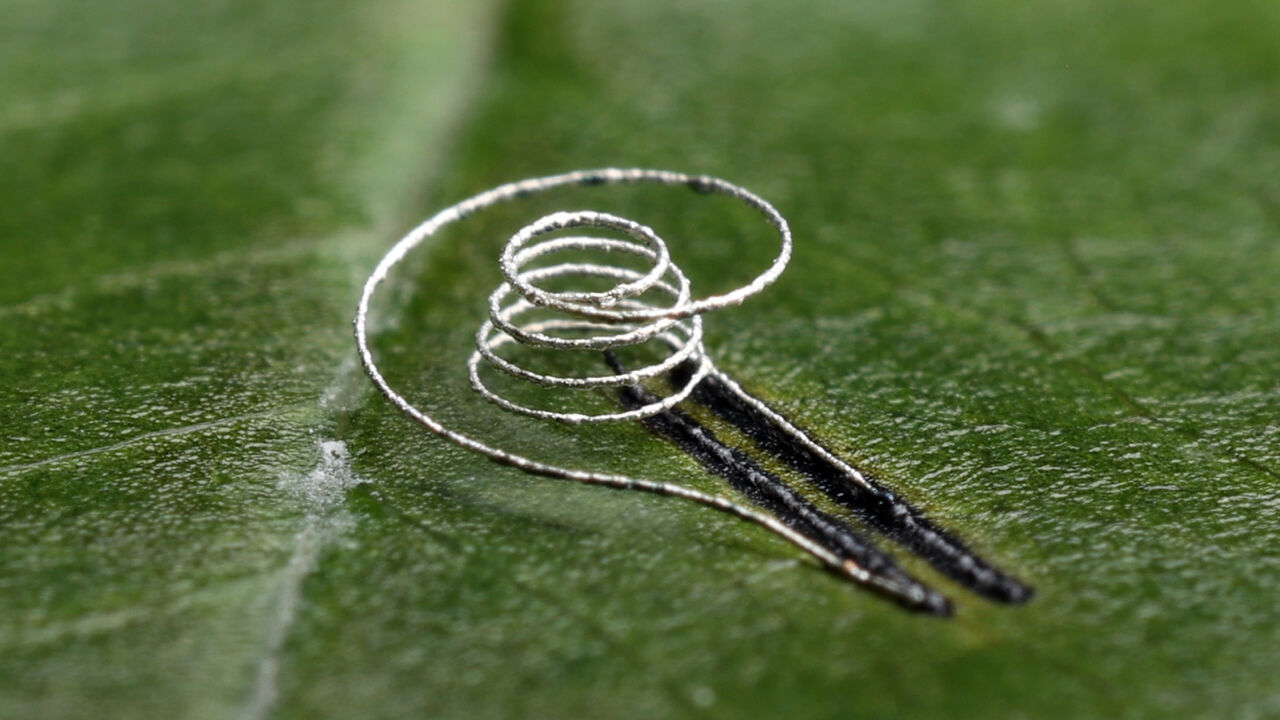
 bskyResearchers develop method to print electronic circuits directly onto living tissueecon.st
Key quotes
· 3 pulledThe ability to print electronics directly onto living tissues opens up new possibilities for integrating technology with biology.
This technique could eventually replace traditional hip replacements with living bone that has built-in sensors.
The ink is designed to be flexible enough to move with the tissue while maintaining its electrical properties.
You might also wanna read

Innovative Approach Embeds Electronic Components in 3D Printed Objects
3D printers have revolutionized the ability to create physical objects from digital designs, but adding smart features like digital processo
spectrum.ieee.org·11mo ago
UBCO Researchers Develop 3D-Printed Living Lung Tissue
UBCO researchers have developed a 3D bio-printed model that mimics natural lung tissue, revolutionizing the study of lung disease and treatm
news.ok.ubc.ca·11mo ago

Fungal Electronics: Living Electronic Devices Made from Mycelium
Fungal electronics is a new field of living electronic devices made from mycelium (fungal networks) that can change their electrical impedan
 arxiv.org·3mo ago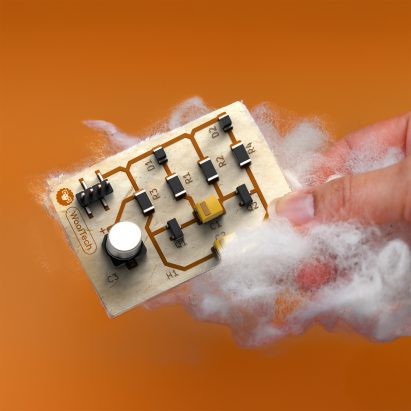
WoolTech: Sustainable Wool-Based Biomaterial Replaces Traditional Electronics Wiring
Designer Hinna Khan has developed WoolTech, a novel biomaterial made from wool that replaces traditional wiring, plastic, and circuit boards
 Dezeen·10mo ago
Exploring Biological Data Representation: A Conversation with Sterling Hooten
This article appears to be a transcript or summary of a conversation with Sterling Hooten about a novel concept described as "the printing p
 owlposting.com·2mo ago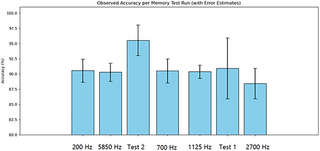
Shiitake Mushroom Mycelium Used to Create Sustainable Memristors for Neuromorphic Computing
Researchers have developed sustainable memristors using shiitake mushroom mycelium for high-frequency bioelectronics applications. The study
 journals.plos.org·7mo ago
Comments
Sign in to join the conversation.
No comments yet. Be the first.