





















Princeton researchers create 3D brain-computer hybrid device with 70,000 living neurons

Soggy bottom. Skim the top, leave the rest on the tray.
Summary
Princeton University researchers have developed a 3D device that integrates roughly 70,000 living biological neurons with electronics to perform computational tasks like recognizing spatial and temporal electrical pulse patterns. Published in Nature Electronics, the study describes an "inside-out" approach using an ultra-thin, flexible epoxy-coated mesh of microscopic metal wires and electrodes as a scaffold for brain cells to grow around, enabling a hybrid biological-electronic computing system.
Key quotes
· 2 pulledPrinceton University researchers have developed an innovative 3D device that integrates roughly 70,000 living biological neurons with advanced electronics to perform computational tasks
Published in Nature Electronics, the study details a novel 'inside-out' approach where an ultra-thin, flexible epoxy-coated mesh of microscopic metal wires and electrodes serves as a scaffold for the soft brain cells to grow around
You might also wanna read

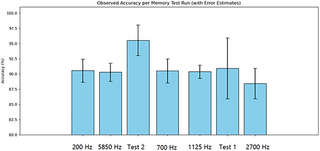
Shiitake Mushroom Mycelium Used to Create Sustainable Memristors for Neuromorphic Computing
Researchers have developed sustainable memristors using shiitake mushroom mycelium for high-frequency bioelectronics applications. The study
 journals.plos.org·7mo ago
DishBrain: In Vitro Neural Networks Learn and Adapt in Simulated Game Environment
Researchers have developed DishBrain, a synthetic biological intelligence platform where in vitro neural networks from human or rodent cells
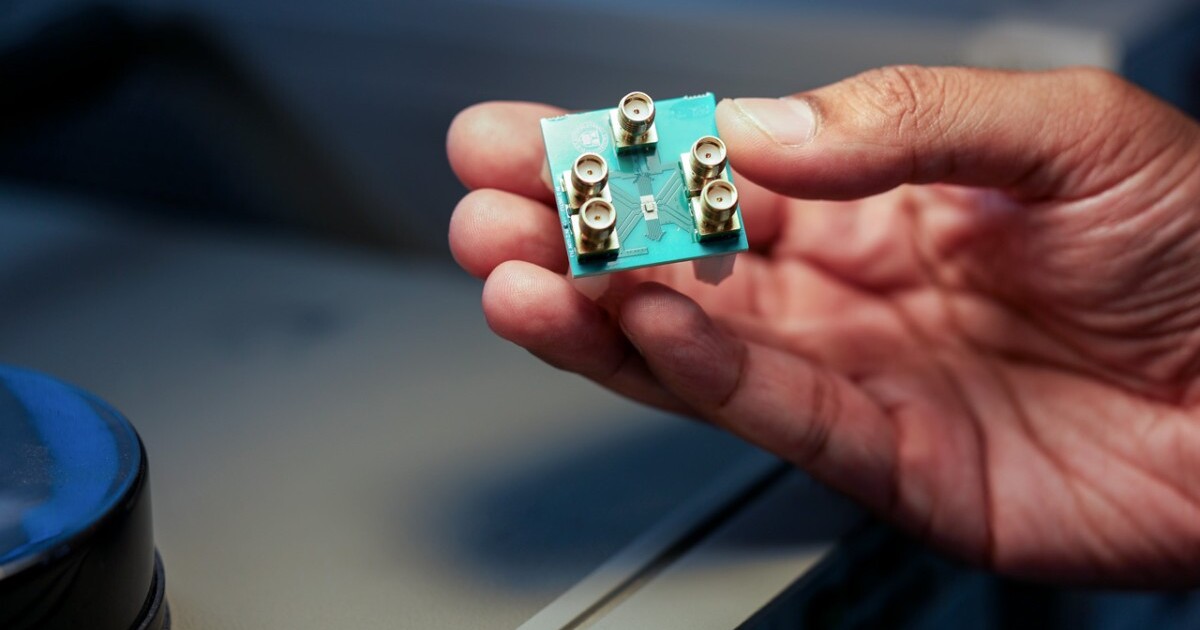
Cornell Researchers Develop Analog 'Microwave Brain' Chip for Ultrafast Signal Processing
Cornell University researchers have developed a novel analog electronic chip called a 'microwave brain' that processes ultrafast data and wi
 newatlas.com·9mo ago
Cortical Labs: Developing Biological Intelligence Systems Using Living Neurons
The article appears to be about Cortical Labs, a company working on biological computing systems that combine living brain cells with comput
 corticallabs.com·3mo ago
Breakthrough in Neuromorphic Photonic Computing with GHz-Scale PSNN Chip
The article discusses a groundbreaking advancement in neuromorphic photonic computing with the development of a photonic spiking neural netw
 arxiv.org·10mo ago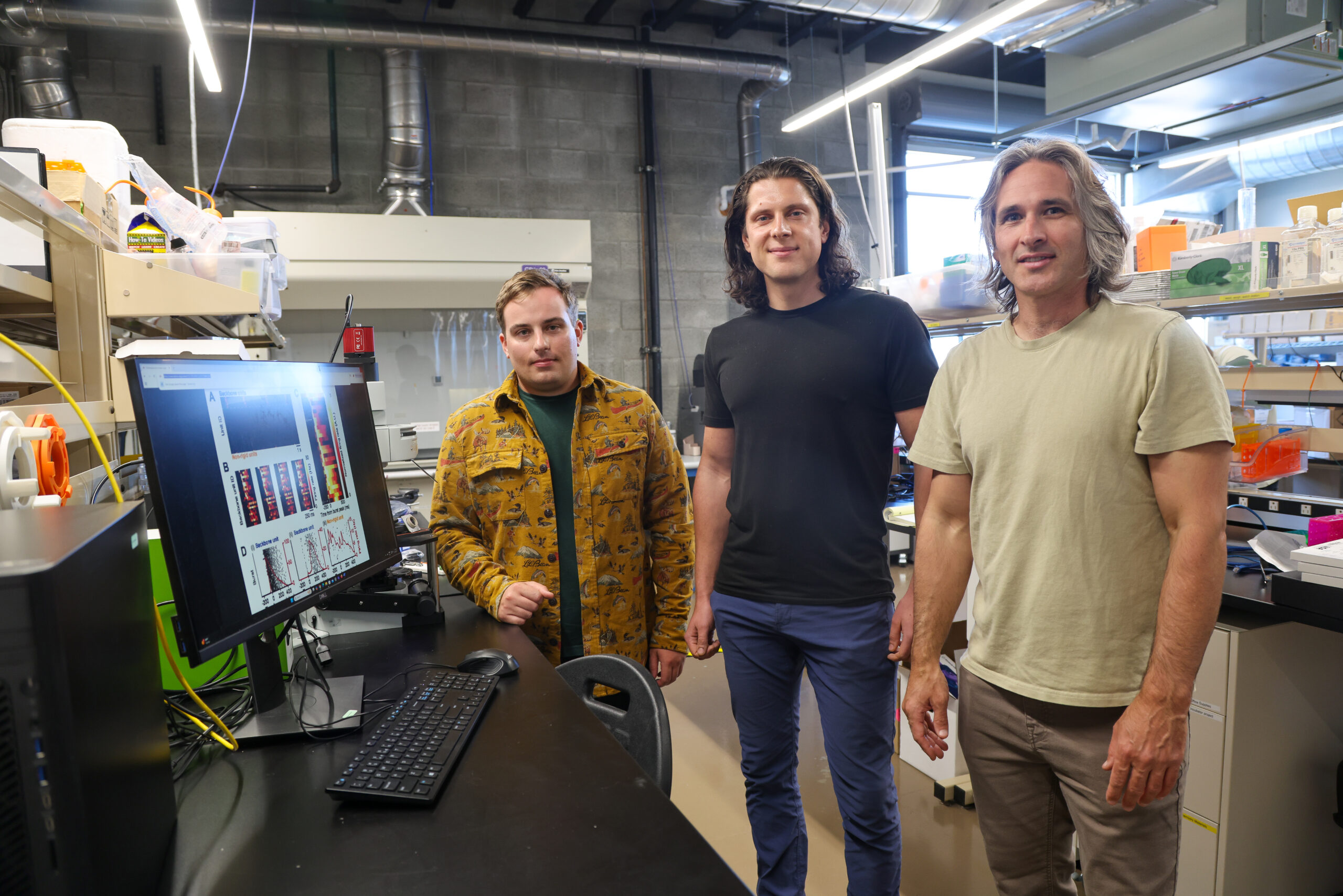
Brain Organoid Research Reveals Pre-Configured Electrical Patterns in Early Human Brain Development
Researchers at UC Santa Cruz used brain organoids to study early brain development, discovering that human brains show organized electrical
 news.ucsc.edu·6mo ago