
























Brain implant data enables reliable seizure prediction days in advance, study finds
By
TechnologyWhy battery-powered vehicles stack up better than hydrogenTechnologyTechnology
Summary
Researchers have developed forecasting algorithms using brain implant data that can reliably predict seizure risk several days in advance. The algorithms were tested against data from 157 study participants, identifying periods when patients were nearly ten times more likely to have a seizure than at baseline. In about 40% of patients, signs of heightened risk could be detected days ahead. According to neurologist Vikram Rao, this is the first time anyone has been able to predict seizures days ahead in a reliable manner.
Source

 Twitter / XBrain implant data enables reliable seizure prediction days in advance, study findsuniversal-sci.com
Key quotes
· 1 pulledAccording to Vikram Rao, neurologist, and co-senior author of the study, it has been the first time that anyone has been able to predict seizures a number of days ahead in time in a reliable manner.
You might also wanna read


Johns Hopkins study finds EpiWatch Apple Watch app detects tonic-clonic seizures with high accuracy
A phase 3 trial of the EpiWatch app, developed by Johns Hopkins neurologists using Apple's ResearchKit platform, shows that the Apple Watch-
 zurl.co·23d ago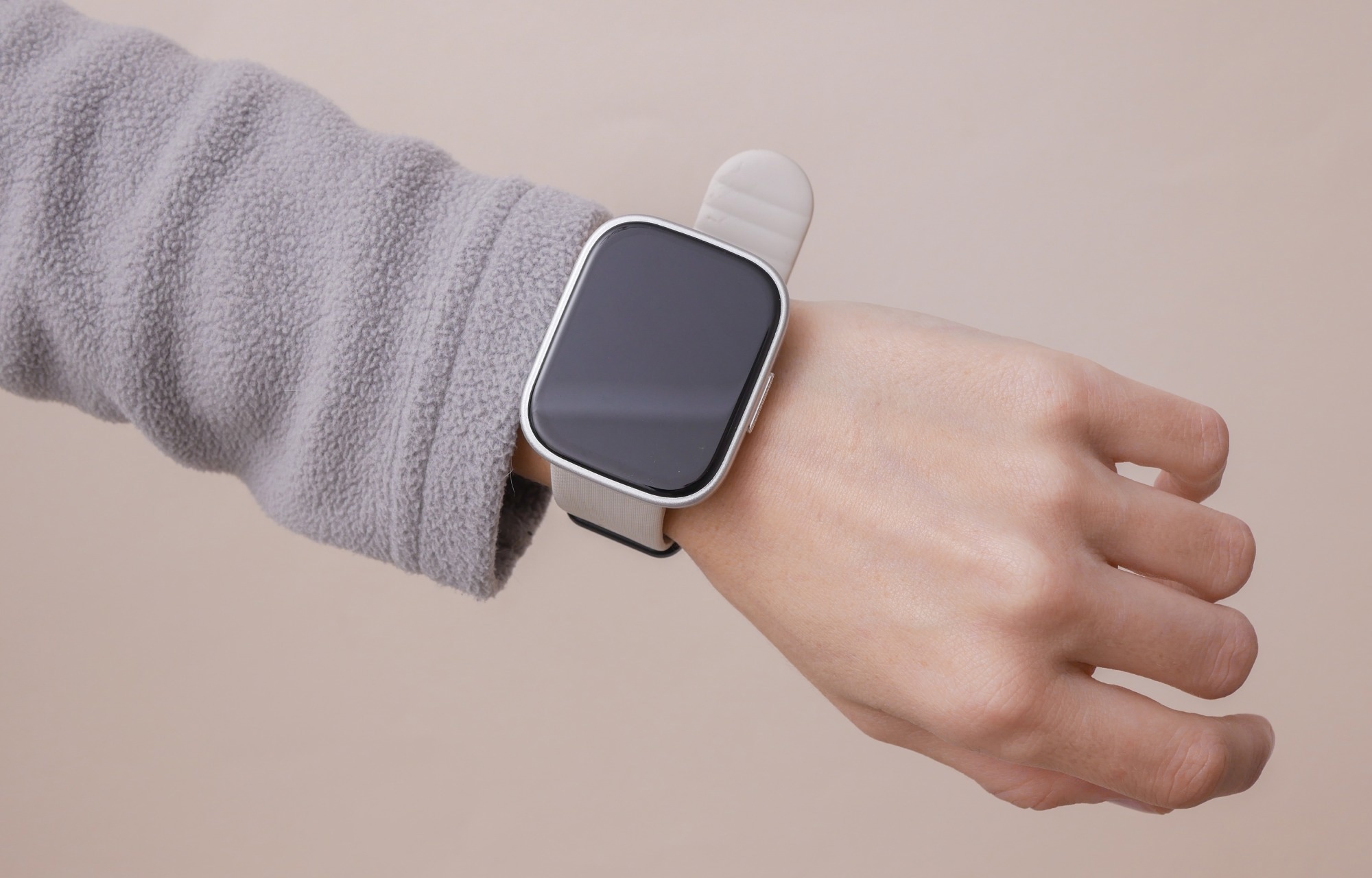
Phase III trial finds EpiWatch smartwatch app detects tonic-clonic seizures with 98% accuracy
A Phase III clinical trial of the FDA-cleared EpiWatch smartwatch app demonstrated 98% accuracy in detecting tonic-clonic seizures in childr
 news-medical.net·23d ago
Ultra-flexible brain implant maintains 94% signal clarity after 18 months in rabbit study
A team of researchers from China and Japan has developed an ultra-flexible brain implant electrode array that maintains 94% signal clarity a
 interestingengineering.com·22h ago
18 neuroscience teams analyzing the same brain data reached conflicting conclusions
A neuroscience hackathon called "Brainhack" at the Champalimaud Foundation had 18 teams analyze identical Neuropixels brain recording datase
 thetransmitter.org·22d ago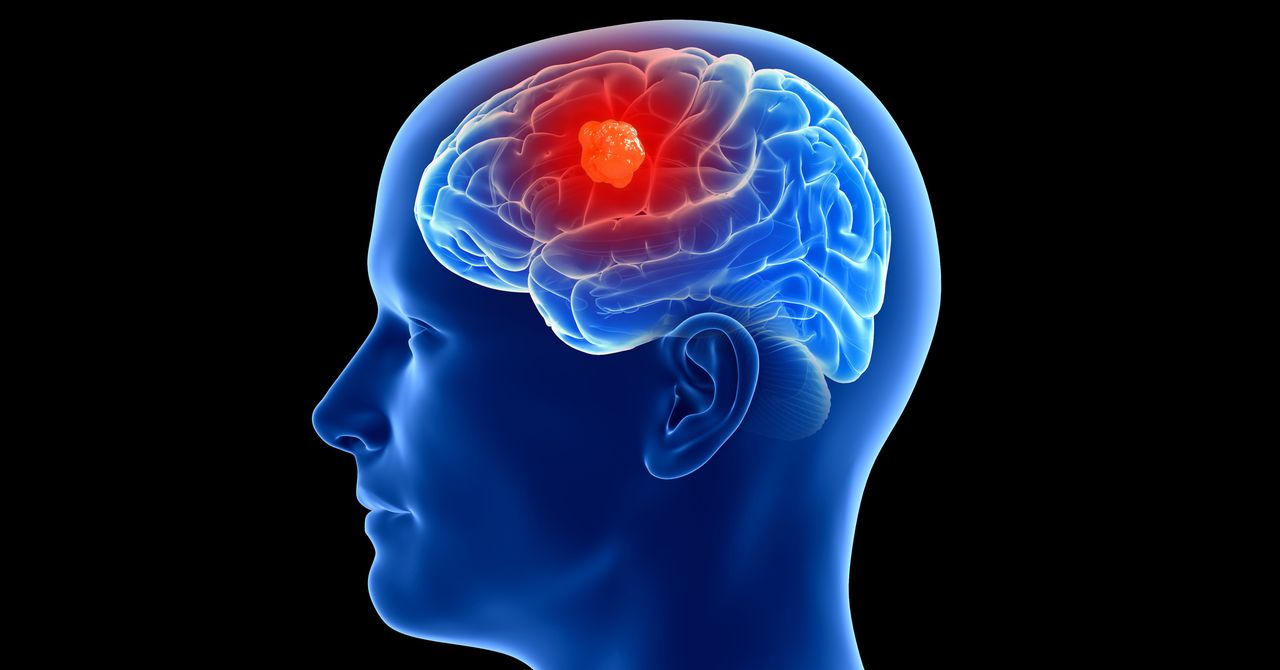
Brain-Computer Interface Startup Coherence Neuro Tests Cancer-Detecting Implant in Three Human Patients
Coherence Neuro, a San Francisco startup with ties to Elon Musk's Neuralink, has begun human testing of a brain-computer interface designed
 wired.com·1d ago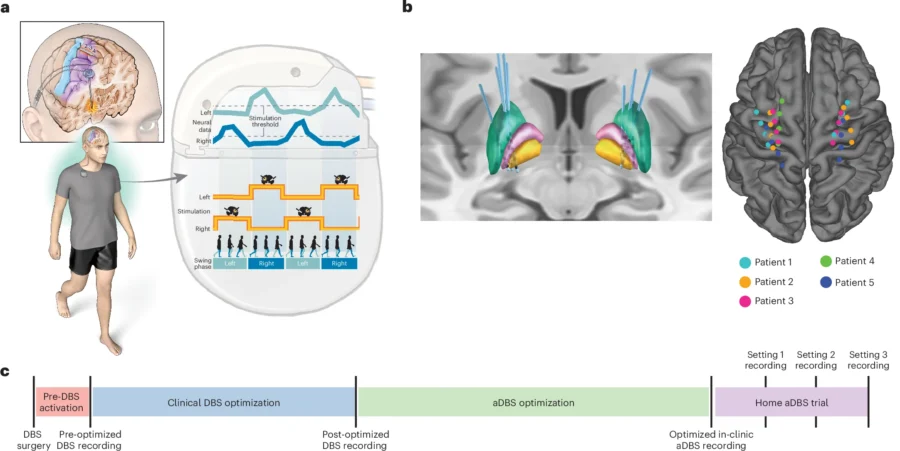
UC San Francisco develops brain implant that detects footsteps and reduces falls in Parkinson's patients
A team at UC San Francisco has developed a brain implant that reads neural signals associated with walking and adjusts deep brain stimulatio
 scienceblog.com·9d ago
Comments
Sign in to join the conversation.
No comments yet. Be the first.