
























18 neuroscience teams analyzing the same brain data reached conflicting conclusions
By
Gaëlle Chapuis
Summary
A neuroscience hackathon called "Brainhack" at the Champalimaud Foundation had 18 teams analyze identical Neuropixels brain recording datasets to detect hippocampal sharp-wave ripples. Despite analyzing the same data, the teams reached wildly different conclusions—12 out of 17 teams reported no differences in ripple density across brain areas, but the underlying disagreement in their analytical approaches was far deeper than the surface consensus suggests. The study highlights a reproducibility crisis in neuroscience, where even in electrophysiology—a field based on hard data—different analysis methods can lead to dramatically different results.
Source

 bsky18 neuroscience teams analyzing the same brain data reached conflicting conclusionsthetransmitter.org
Key quotes
· 3 pulledIf you ask multiple teams of skilled neuroscientists to detect hippocampal ripples in the same brain recordings, you might expect them to converge on an answer. Unfortunately, you would be wrong.
12 out 17 of the teams reported no differences in ripple density across three anonymized brain areas.
The 'Brainhack' hackathon revealed that disagreement in neuroscience runs deeper than most researchers suspect—even in electrophysiology, a field that prides itself on hard data.
You might also wanna read

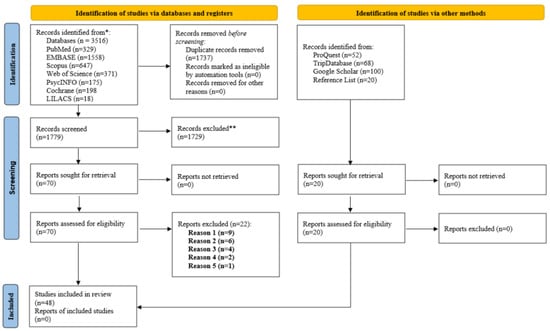
Scoping Review Reveals Methodological Gaps in EEG-Based Neurofeedback Research for Athletes and Non-Athletes
This scoping review examines EEG-based neurofeedback (NFB) research in athletes and non-athletes, analyzing methodological characteristics,

Research Team Collects 10,000 Hours of Neuro-Language Data for Thought-to-Text Models
A research team has collected approximately 10,000 hours of neuro-language data from thousands of individuals over six months, claiming it t
 condu.it·6mo ago
DishBrain: In Vitro Neural Networks Learn and Adapt in Simulated Game Environment
Researchers have developed DishBrain, a synthetic biological intelligence platform where in vitro neural networks from human or rodent cells
A new Pitt study has upended decades-old assumptions about brain plasticity

Neuroscience Research Reveals How the Brain Creates and Remembers 'Aha' Moments
Neuroscientists have discovered how the brain produces 'aha' moments or insights, revealing that these sudden realizations involve specific
 quantamagazine.org·7mo ago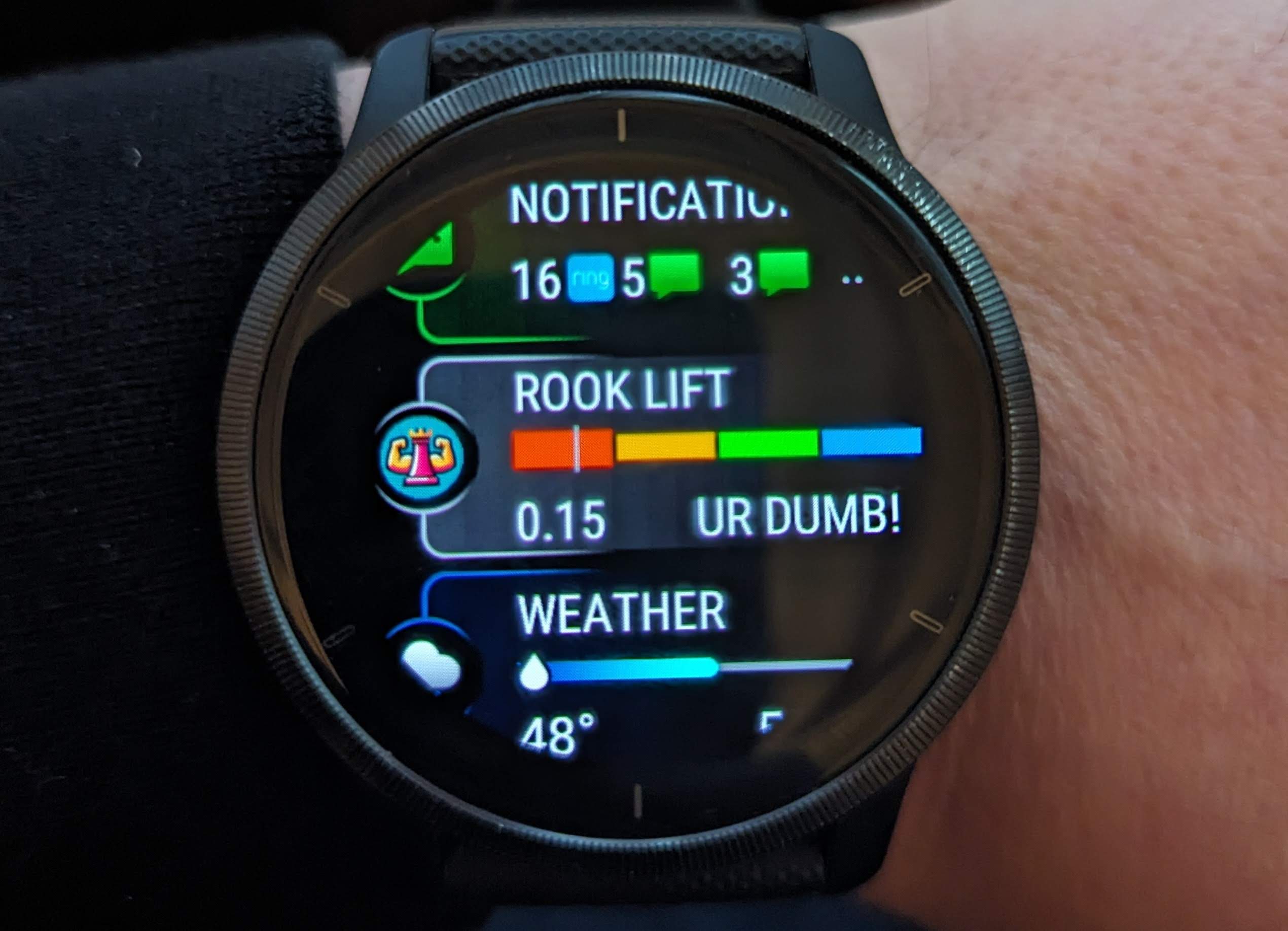
Using Chess Performance to Track Mental Clarity and Cognitive State
The article describes a personal experiment where the author uses chess performance as a proxy for mental clarity and cognitive state, compa
 dmvaldman.github.io·5mo ago
Comments
Sign in to join the conversation.
No comments yet. Be the first.