





















Scoping Review Reveals Methodological Gaps in EEG-Based Neurofeedback Research for Athletes and Non-Athletes
By
PaulHoule

Sesame, salt, and substance. A flagship bake.
Summary
This scoping review examines EEG-based neurofeedback (NFB) research in athletes and non-athletes, analyzing methodological characteristics, outcome measures, and reproducibility gaps. The review of 48 studies found substantial heterogeneity in targeted EEG rhythms, protocols, and reporting standards. Critical methodological shortcomings include limited use of modern spectral parameterization methods (none used FOOOF), poor sham control (only 29% used active sham, 6% inert sham), and inadequate blinding procedures. The review calls for more rigorous research with better sham controls, transparent EEG metric reporting, and adoption of open-science practices to strengthen NFB research in sport and cognitive domains.
Key quotes
· 5 pulledIn EEG-based neurofeedback (NFB), these signals are processed to provide real-time feedback that supports self-regulation of targeted brain rhythms; evidence suggests improvements in cognitive and neurophysiological performance in athletes and non-athletes.
None of the studies employed modern spectral parameterization methods (e.g., FOOOF), while only 29% used active sham protocols and 6% employed inert sham conditions.
Reporting blinding procedures and follow-up assessments was limited or absent in most studies.
This review highlights critical methodological shortcomings that may bias interpretations of NFB effects in sport and cognitive domains.
To strengthen future research, studies should rigorously implement sham and blinding procedures, ensure transparent reporting of EEG metrics, and adopt open-science practices, including modern approaches to spectral parameterization.
You might also wanna read

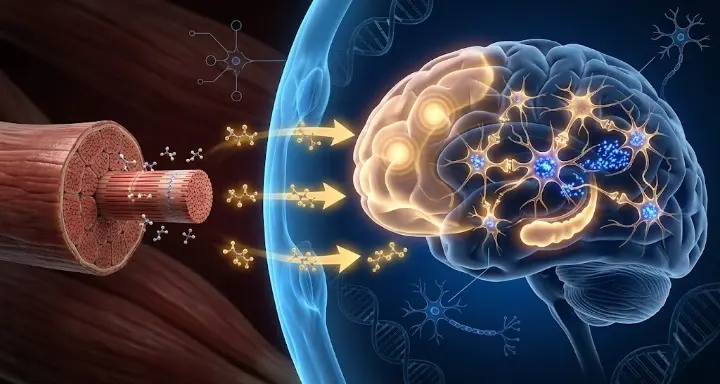
Creatine supplement shows cognitive benefits: slows early Alzheimer's decline by 30% and improves mental performance, studies find
A comprehensive review (2025) and clinical trial (2026) reveal that creatine, widely used as a muscle-building supplement, also crosses the
 thesciverse.org·12h ago
Japanese researchers develop vitamin K-like compounds that may help convert brain cells into neurons
Japanese researchers have developed a new family of vitamin K-like molecules that may help immature brain cells transition into neurons. Whi
 zmescience.com·1d ago
Gladstone Scientists Develop New Tool to Map Brain Waste Clearance Mechanisms
Gladstone scientists have developed a new tool to trace how the brain clears waste, revealing surprising new biology about the brain's self-
 gladstone.org·2d ago
Karolinska Institutet study finds SSRIs affect developing nerve cell metabolism differently
A new study from Karolinska Institutet reveals that different SSRI medications affect metabolic processes in developing nerve cells in disti
 news.ki.se·3d ago
Large longitudinal study examines delayed cortical thinning as biomarker for attention problems, highlighting sex differences in youth
This study examines whether delayed age-related cortical thinning is a reliable biomarker for attention problems and ADHD in youth. Using a
 pnas.org·4d ago
Study Shows Unconscious Brain Can Process Language Under Anesthesia
A new study from Baylor College of Medicine challenges the assumption that consciousness is required for the brain to process complex langua
 singularityhub.com·4d ago