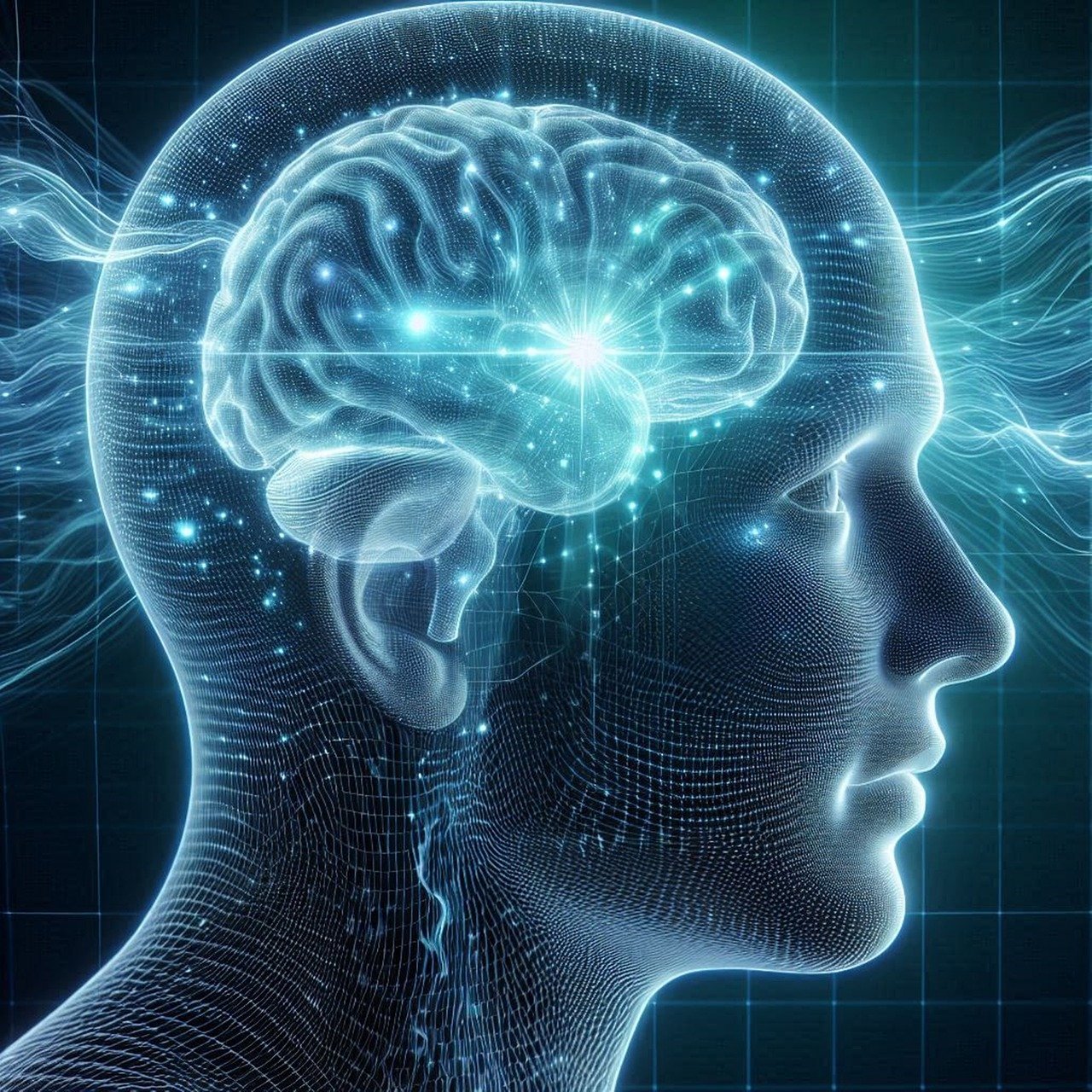
Study Shows Unconscious Brain Can Process Language Under Anesthesia
By
Shelly Fan
4d ago· 6 min readenNews

100/100
Golden Brown
Bagelometer↗
Sesame, salt, and substance. A flagship bake.
Score100TypenewsSentimentneutral
Summary
A new study from Baylor College of Medicine challenges the assumption that consciousness is required for the brain to process complex language. By recording electrical activity from patients under general anesthesia, researchers found that the unconscious brain can still track and respond to language stimuli, such as following a podcast. The hippocampus and sensory regions remain active even in deep sleep or anesthesia, suggesting that the brain processes more than simple sensory cues without conscious awareness. This raises fundamental questions about the role of consciousness in making sense of the world.
Key quotes
· 3 pulledEach night, the hippocampus, a major hub for learning, replays experiences from the previous day and etches them into memory.
This raises a provocative question: How much is consciousness required to make sense of the world around us?
A new study suggests the unconscious brain can handle far more than simple sensory cues.
A new study challenges the idea that consciousness is necessary to make sense of language.