
























newscientist.com · 4 min
Toy universe shows that time could be a quantum illusionAn experiment with ultracold atoms in a 'toy universe' suggests time may be an emergent property from quantum entanglement, not a fundamental feature of reality.
Sunday · 2026
20 stories · 18 outlets · 5 min read
Today's science news spans the cosmic and the computational. A toy universe suggests time might be a quantum illusion, while NASA plans an unprecedented rescue of a falling space telescope. The AI consciousness debate gets a skeptical take, and a landmark HPV vaccine study shows near-zero cervical cancer risk for vaccinated young women.
In today's edition: Quantum and cosmic, Health and biology and AI and computing, plus quick bites.
Theatlantic, Space, Physicsworld and 15 more
Two stories challenge our understanding of reality and our ability to operate in space.
newscientist.com · 4 min
Toy universe shows that time could be a quantum illusionAn experiment with ultracold atoms in a 'toy universe' suggests time may be an emergent property from quantum entanglement, not a fundamental feature of reality.
space.com · 10 min
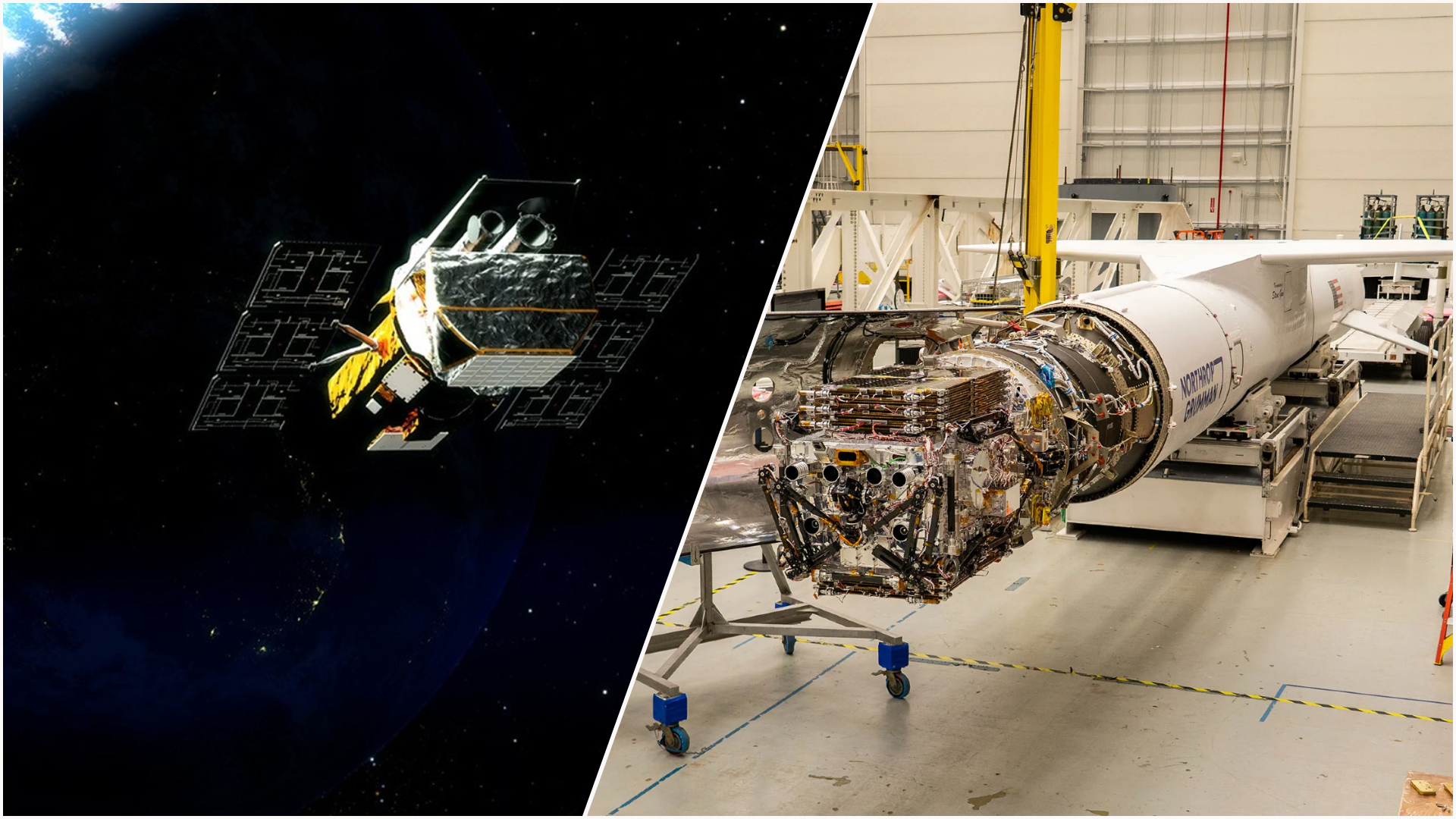
'No one thought it was going to be possible.' A space telescope is falling out of space. This is NASA's…NASA's Swift Observatory is falling out of orbit after 20 years, and the agency is partnering with Katalyst Space for a rapid rescue mission to boost it back to a stable altitude.
A major public health win and a nuanced look at sex differences round out the day.
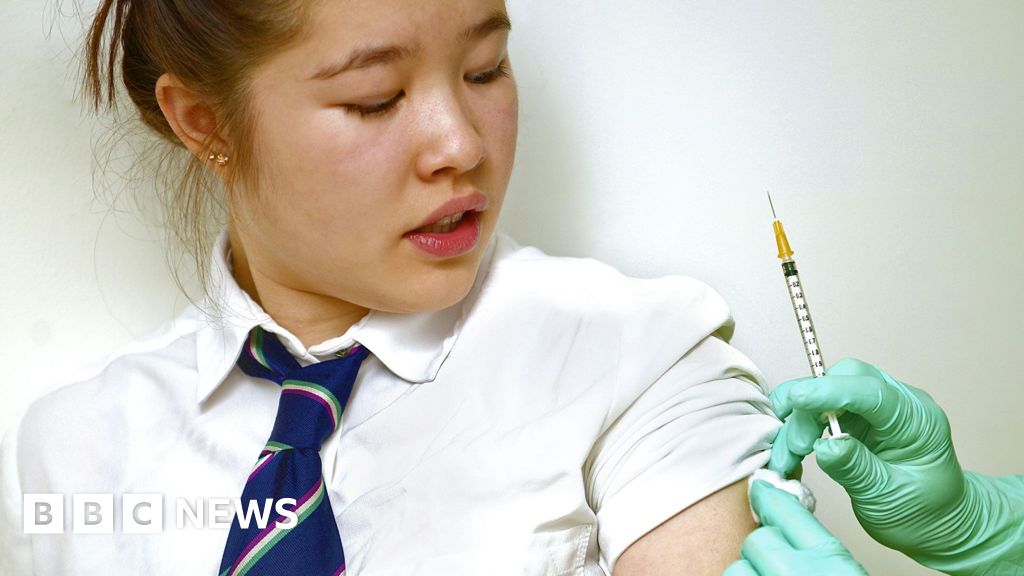
bbc.com · 6 min
A landmark UK study shows girls vaccinated against HPV at 12-13 have close to zero risk of cervical cancer death by age 30, with no deaths recorded in that age group since 2020.

stevestewartwilliams.com · 25 min
An interview with the author of 'A Billion Years of Sex Differences' argues for a nuanced view of biological sex differences, rejecting both denial and extreme determinism.
From repurposed phones to AI consciousness, computing stories raise questions about what we build and how we think about it.
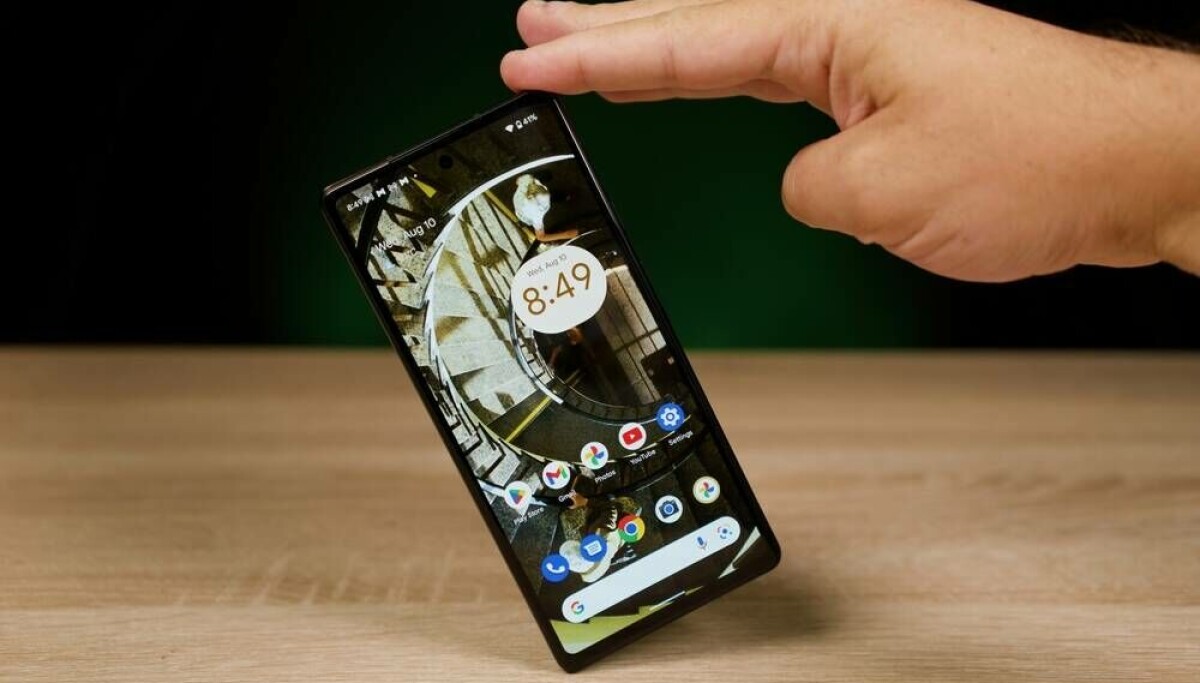
theregister.com · 6 min
UC San Diego and Google are building a compute cluster from 2,000 retired Pixel phones, showing how old devices can become a low-cost, low-carbon computing platform.
theatlantic.com · 29 min
The Atlantic argues that despite sophisticated language, AI models like Claude are not conscious, and anthropomorphizing them leads to dangerous conclusions.
A private company will build and launch NASA's next Mars orbiter in 2028 — and it's not SpaceXspace.com
The weirdness of quantum contextuality is not a bug – it’s a featurephysicsworld.com
Building Reliable Agentic AI Systemsmartinfowler.com
Armstrong effecten.wikipedia.org
Astrobites at AAS 248: Day 3astrobites.org
A spate of shark bites has Australian ocean lovers on edge. People want to know why they’re risingtheguardian.com
IBM Nighthawk Processor Validated in Quantum Chromodynamics and Cybersecurity Benchmarksquantumcomputingreport.com
Google Can't Math Parsecsjefftk.com
Severe drought, energy shortages and food insecurity: What El Niño could mean for Europe this yeareuronews.com
Duke University and IonQ Demonstrate Tripartite Entanglement of Remote Atomic Qubitsquantumcomputingreport.com
Desafios evolutivos podem silenciar grilos e também deixá-los sem ouvirwww1.folha.uol.com.br
Open Source meets Outer Spacemoonrf.com
Project Fetch: Phase twoanthropic.com
Saturday
Science · 20 stories