Anthropic will require Claude users to submit government IDs, selfies, and facial geometry scans starting July 8, the first major US AI lab to codify biometric collection in its privacy policy. Refusal means account suspension, with no explanation of how the data will be secured.

privacyMonday, June 22
Biometric ID, license plate creep, and police tactics
Today's privacy stories share a common thread: the expansion of surveillance infrastructure, whether through corporate biometric mandates, automated tracking systems, or aggressive police tactics. Each piece highlights a different front in the erosion of anonymity and the difficulty of pushing back.
Corporate surveillance
Two stories show how companies are extending their reach into new forms of personal data collection.
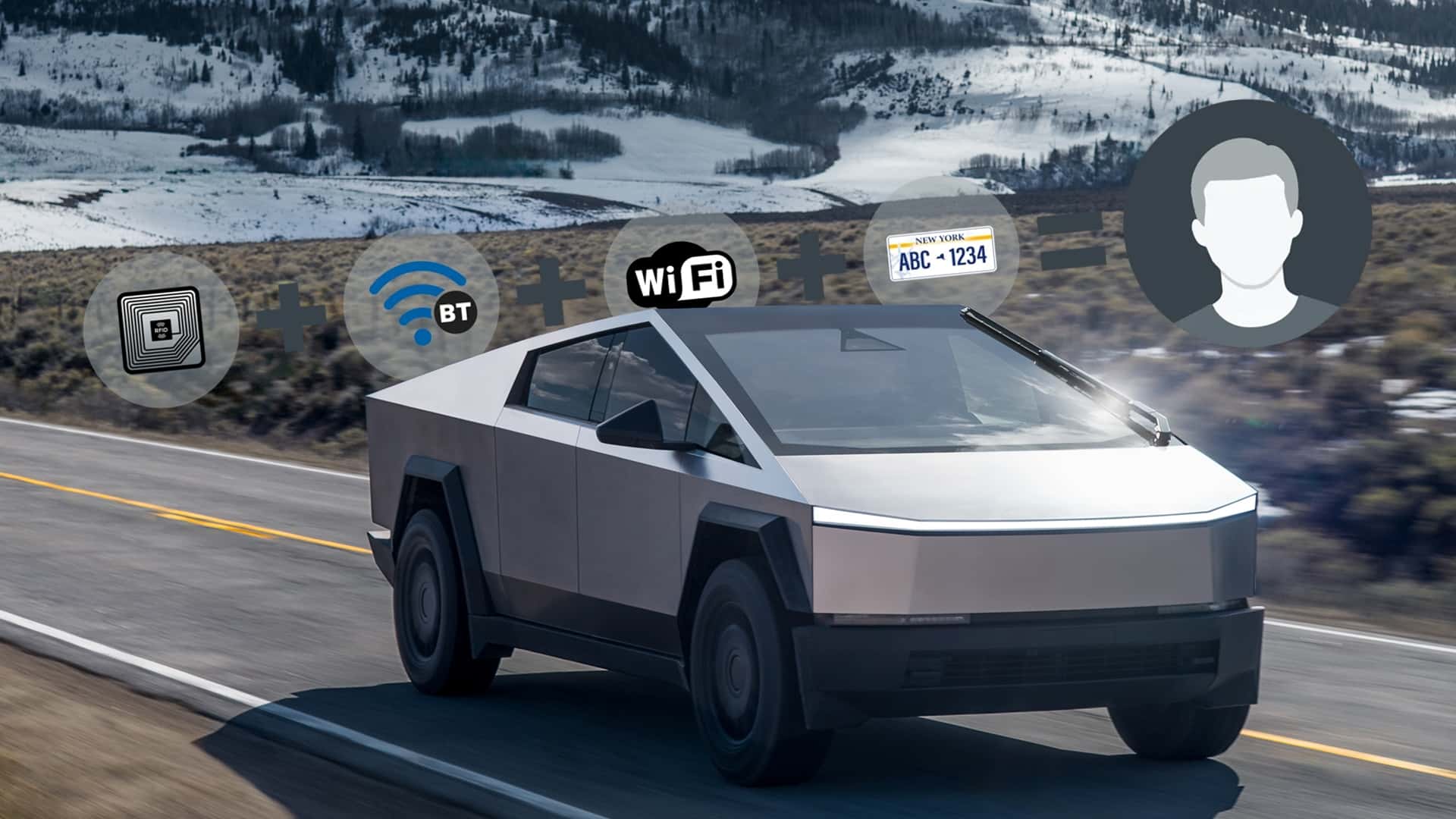
Automated license plate readers are now being used to track phones and wearables via MAC addresses and Bluetooth fingerprints. The EFF warns this is a significant civil liberties erosion, as the systems expand beyond vehicle surveillance.
Enforcement and resistance
Meanwhile, the gap between privacy rights and real-world enforcement remains stark.
A 75-year-old cancer survivor won a privacy case against companies that used her medical data for targeted ads, but the director claimed inability to pay the full damages. The story underscores how even successful privacy complaints can result in hollow victories.
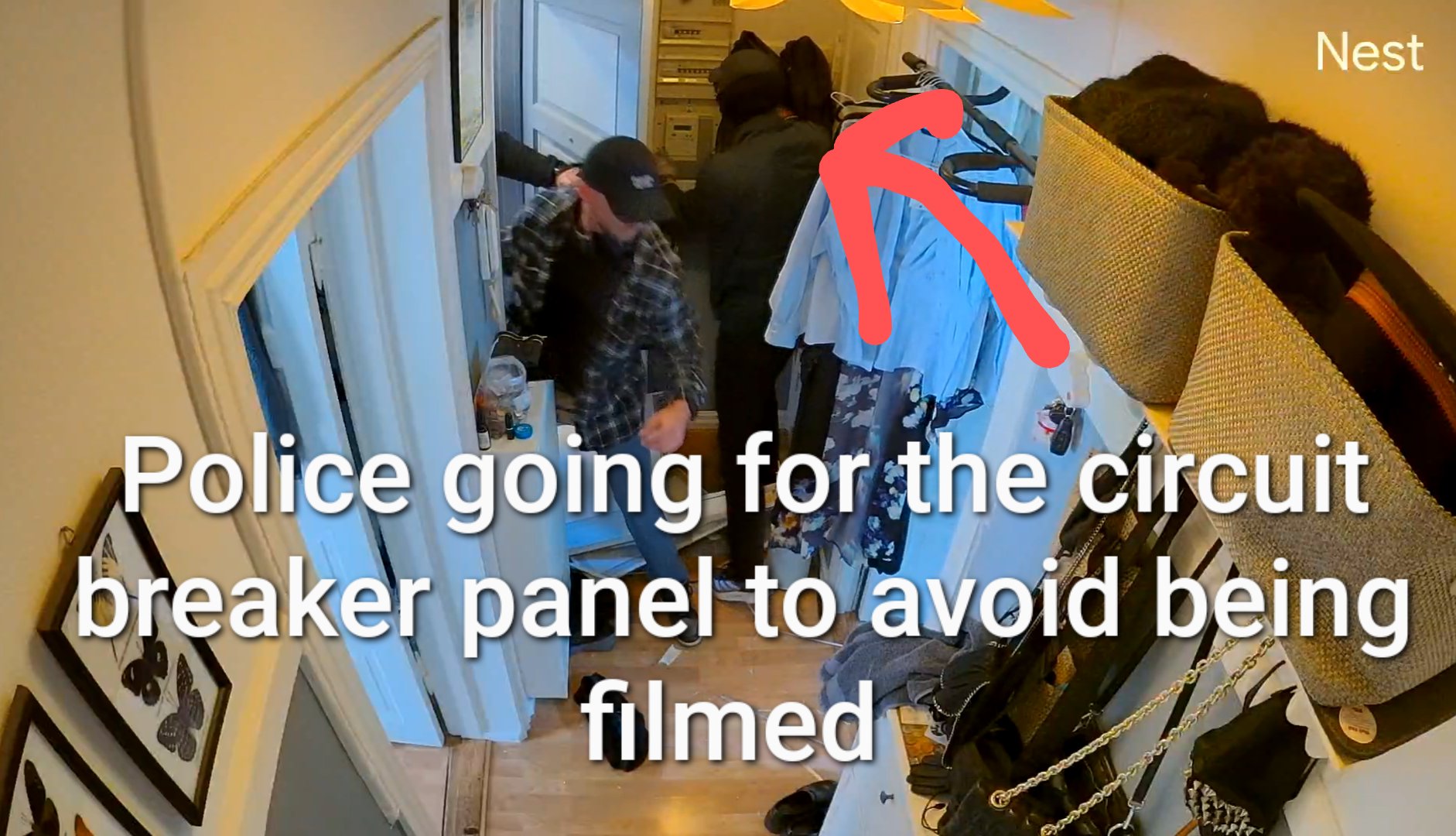
A Danish privacy activist was arrested by masked police who went straight for his circuit breaker to disable his ability to film the raid. It's a vivid example of police tactics to prevent documentation, even in a country with strong privacy norms.
Also today1
More roundups today


tv roundupHouse of the Dragon Season 3 premiere dominates
legal roundupAnthropic hit with two legal fronts today

Food safety net unravels as solar fridges help farmers

Minions, AI art, and adaptation debates
energy policy roundup