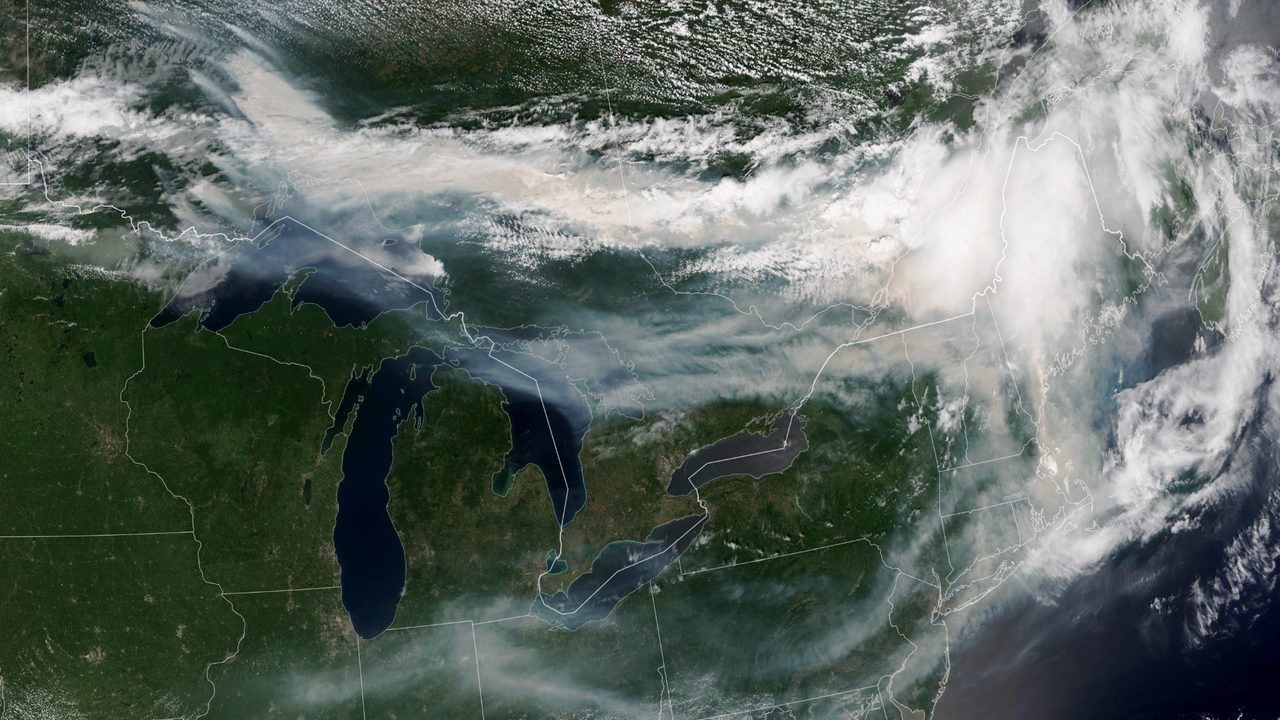
A satellite image shows smoke from over 850 Canadian wildfires spreading across multiple provinces. Most fires remain uncontrolled, and the scale is visible from space.
environmentFriday, July 17, 2026
Canadian wildfires are dominating the news today, with smoke visible from space and disrupting the World Cup final. Meanwhile, the debate over how to respond to extreme heat, adapt now or cut emissions, is being called a false choice. A few stories on marine heatwaves and corporate climate backtracking round out the day.
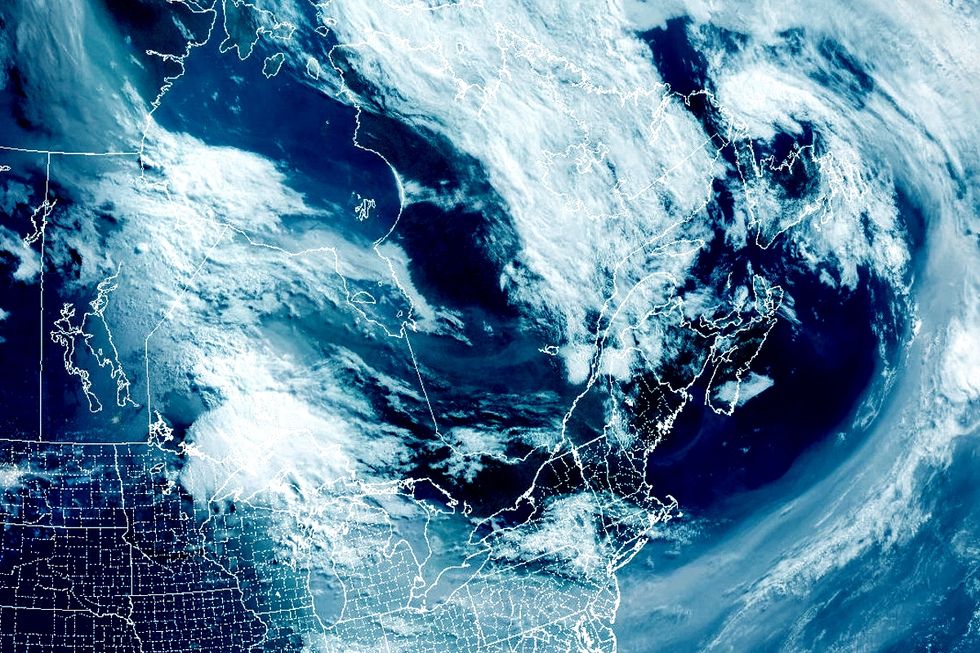
The Canadian wildfires are the day's biggest story, with smoke reaching hazardous levels in the US and even threatening the World Cup final.

A satellite image shows smoke from over 850 Canadian wildfires spreading across multiple provinces. Most fires remain uncontrolled, and the scale is visible from space.


Robinson Meyer describes waking up to hazardous air in Chicago, turning a personal experience into a broader reflection on climate change's new normal.
The White House and FIFA are meeting over air quality risks from Canadian wildfire smoke affecting the World Cup final at MetLife Stadium. Player and spectator safety is the concern.
Two pieces argue that the climate movement needs to embrace both adaptation and emission cuts, not treat them as alternatives.

A contrarian piece argues that air conditioning's climate impact is negligible compared to its health and productivity benefits, pushing back against environmentalist opposition.
The article calls the debate between adapting to extreme heat now versus cutting emissions a false choice. Both are necessary, and choosing one over the other costs lives.
Marine heatwaves are hitting UK waters, while Europe's carbon market faces a potential weakening and companies quietly drop climate goals.
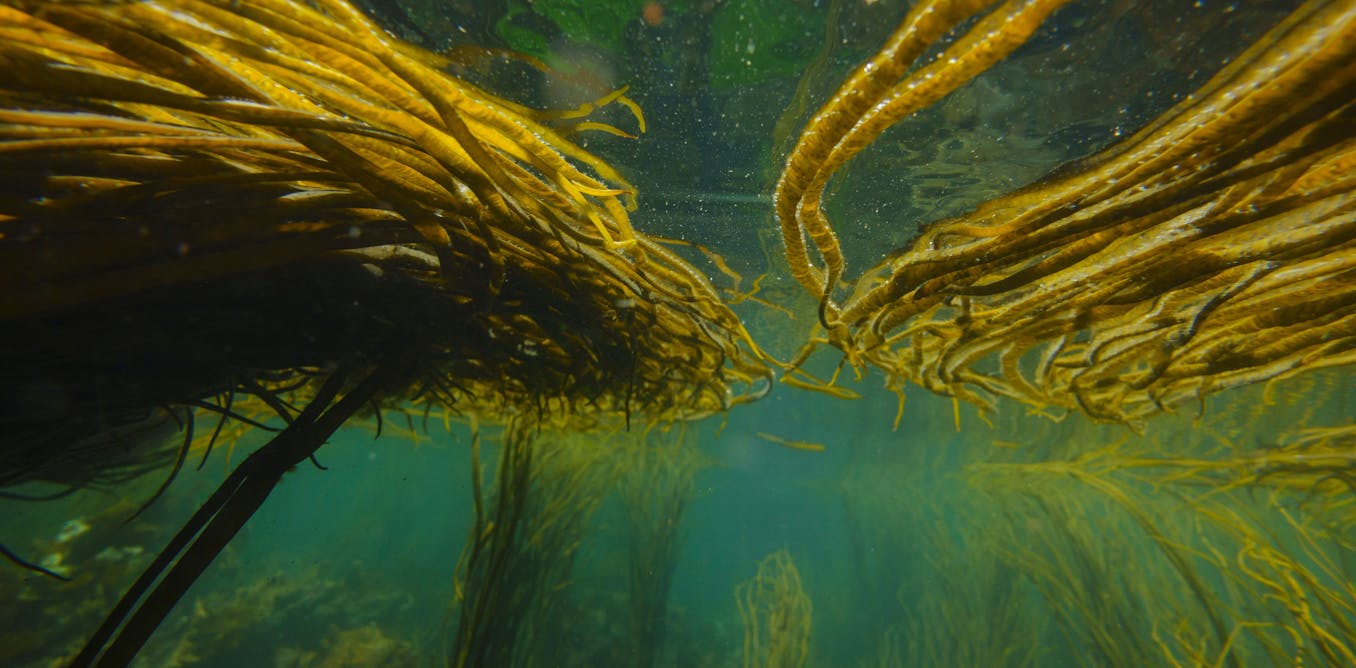
UK waters are experiencing their third major marine heatwave in four years, with sea temperatures above 20°C. The piece explains the cascading effects on marine life from plankton to whales.

The European Commission's proposed overhaul of the EU emissions trading system could weaken its effectiveness, critics say, by giving companies a less demanding pathway to cuts.

A New York Times piece examines how big businesses that made bold climate promises are now quietly abandoning or watering down those goals.
Week in wildlife: a stuck raccoon, a hardy mouse and a well-camouflaged wildcatwww.theguardian.com
This week’s best wildlife photographs from around the world
Professional weather forecastwww.windy.com
50+ weather layers, weather radar and satellite
How a community is helping sea turtles hatch in the Philippinesnews.mongabay.com
When Jerald Mahusay was a kid, he and his friends saw turtle eggs so often, they treated them like toys. “We were always playing with the eggs,” Mahusay recalled of his childhood in Santo Niño, a village in the Philippines’ Palawan province. “We didn’t know why they are important
Smoke, fire, floods: US faces triple extreme summer weather threatswww.reuters.com
Trump, the GOP and the polluters & plutocrats they answer to are responsible for the death and damage caused by this fossil-fueled disaster
Can ‘fog harvesting’ help solve water scarcity in Chile’s Atacama Desert?news.mongabay.com
Chile’s Atacama Desert is one of the driest places in the world. Some areas only see rainfall a few times in a century, while others have never recorded rainfall at all. In many rural communities there, local governments have to truck in water from other parts of the country or e
After months of debate, Virginia fails to pass data center clean energy requirementsinsideclimatenews.org
The state will tax data center electricity but plans to reduce emissions at the facilities and secure environmental protections went nowhere.
wellness roundup
sustainability roundup
open source roundup
real estate roundup
memoir roundup
literature roundup