
























Chinese researchers develop first embryo-disc model to grow seed cells for organ cultivation
By
By Bronwyn Thompson
Summary
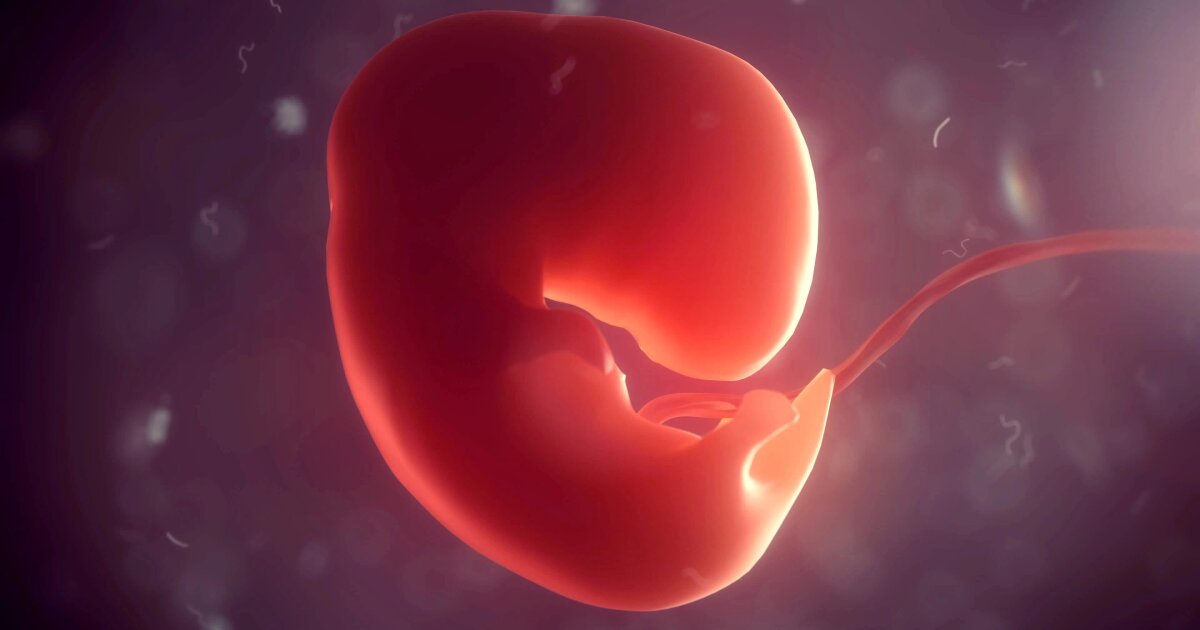
Chinese researchers have developed the first-ever embryo-disc model capable of supporting and growing seed cells needed for in vitro cultivation of organs for transplant. This breakthrough represents a significant advancement in regenerative medicine, addressing the longstanding challenge of controlling stem cells in the complex ways required for artificial organ development. While the science is promising, the field still faces multiple obstacles beyond just the technical challenges.
Source
 bskyChinese researchers develop first embryo-disc model to grow seed cells for organ cultivationnewatlas.com
Key quotes
· 3 pulledChinese researchers have taken a big step toward a world in which we can cultivate organs for transplant, with the first-ever embryo-disc model that can support and grow the seed cells required for in vitro cultivation.
It's also a huge leap for regenerative medicine.
Stem cells are challenging to control in the complex way needed for artificial organ development, which has been just one of the many obstacles facing this biotechnology.
You might also wanna read


Age engineering: Creating age-matched tissues for better biomedical models of ageing
This article discusses the emerging field of 'age engineering' or 'ageneering' — the methodological approach to engineering the age of tissu
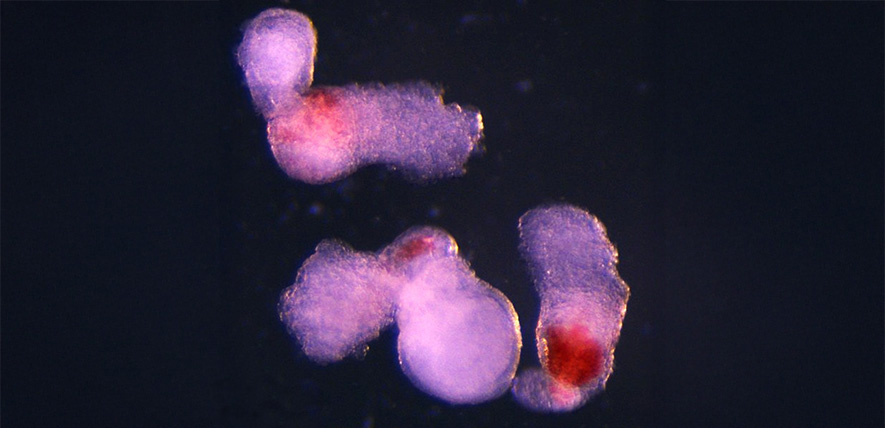
Cambridge Scientists Create Lab-Grown Embryo Models That Produce Blood Cells
University of Cambridge researchers have successfully created three-dimensional embryo-like structures called 'hematoids' from human stem ce
 cam.ac.uk·8mo ago
Shiitake Mushroom Mycelium Used to Create Sustainable Memristors for Neuromorphic Computing
Researchers have developed sustainable memristors using shiitake mushroom mycelium for high-frequency bioelectronics applications. The study
 journals.plos.org·7mo ago
OpenAI and Retro Biosciences Develop AI Model That Achieves 50x Improvement in Stem Cell Reprogramming
OpenAI collaborated with Retro Biosciences to develop GPT-4b micro, a specialized AI model for protein engineering. The AI-designed proteins
 openai.com·10mo ago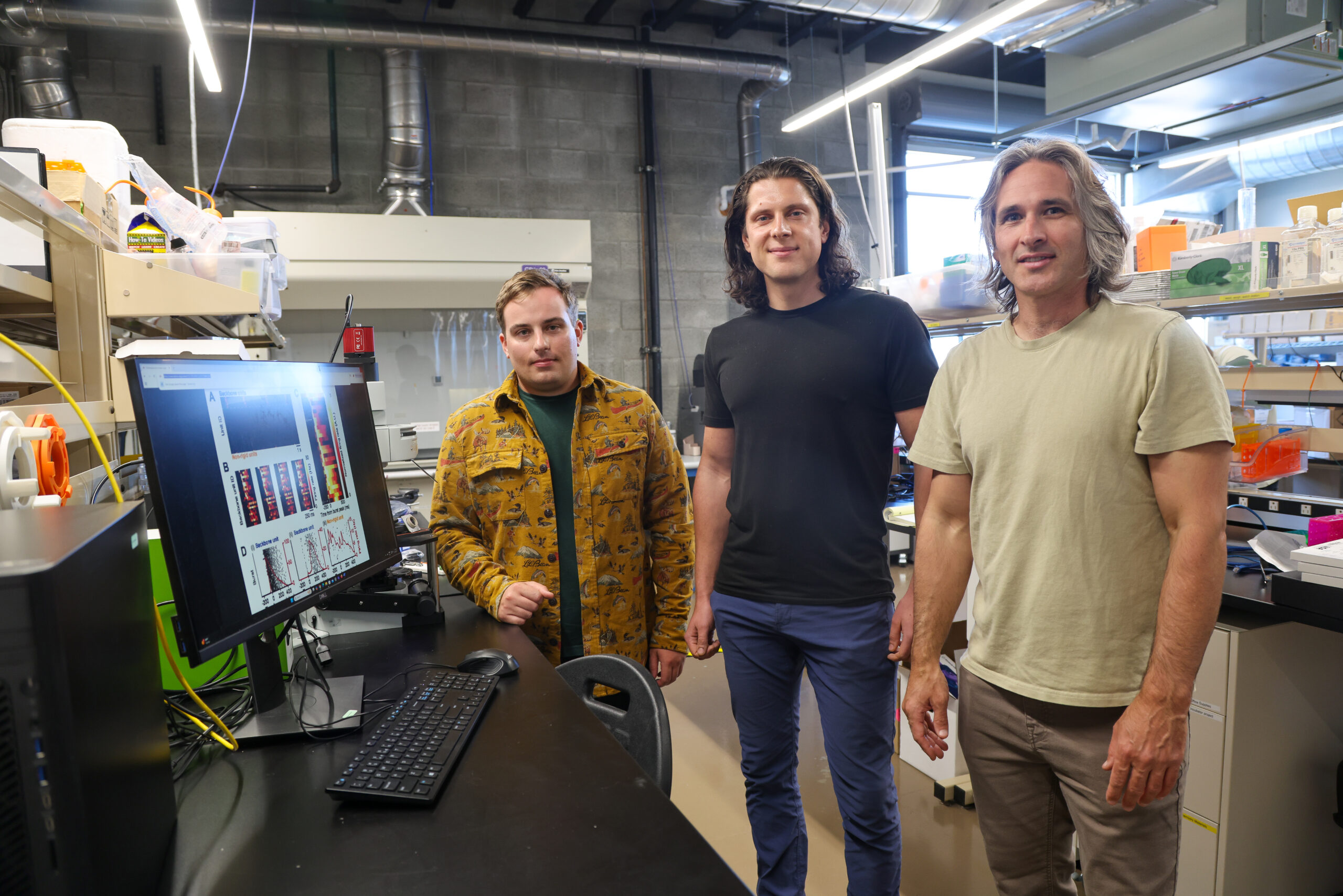
Brain Organoid Research Reveals Pre-Configured Electrical Patterns in Early Human Brain Development
Researchers at UC Santa Cruz used brain organoids to study early brain development, discovering that human brains show organized electrical
 news.ucsc.edu·7mo ago
DishBrain: In Vitro Neural Networks Learn and Adapt in Simulated Game Environment
Researchers have developed DishBrain, a synthetic biological intelligence platform where in vitro neural networks from human or rodent cells
Comments
Sign in to join the conversation.
No comments yet. Be the first.