
























Age engineering: Creating age-matched tissues for better biomedical models of ageing
By
Pinak Samal1,2,3 Send email to [email protected]
Summary
This article discusses the emerging field of 'age engineering' or 'ageneering' — the methodological approach to engineering the age of tissues in vitro. It explores how creating age-matched tissues (using cells, matrices, and microtissues that reflect specific biological ages) could lead to more representative and predictive models for the ageing population. The forum introduces methodological approaches for artificially or accelerated ageing of tissues and discusses applications in predictive disease modelling, biomarker discovery, and age-specific pharmacotoxicology. The core premise is that current tissue engineering often uses young or neonatal cells, which fail to represent age-related disease mechanisms, and that engineering age into these models is critical for studying conditions prevalent in older populations.
Source
 Twitter / XAge engineering: Creating age-matched tissues for better biomedical models of ageingcell.com
Key quotes
· 3 pulledTissue engineering aims to restore or replace diseased, damaged, or lost biological tissues in vivo using a combination of cells, biomaterial scaffolds, and/or growth factors, or to generate tissues in vitro for fundamental research or screening applications.
Engineering the age(ing) of tissues in vitro could lead to more representative and predictive models for the ageing population.
This forum introduces methodological approaches for 'age engineering' ('ageneering') and further discusses future applications of age-matched cells, matrices, and microtissues in predictive disease modelling, biomarker discovery, and age-specific pharmacotoxicology.
You might also wanna read
Method to reverse cellular ageing is about to be tested in humans

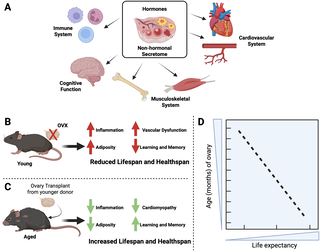
Ovarian biology as a blueprint for rejuvenation: Exploring germline immortality and somatic longevity
This essay reframes ovarian biology as a model for rejuvenation rather than solely as a site of reproductive decline. It explores how oocyte
 plos.io·26d ago
Harvard Scientists Develop Genetic Clock That Measures Biological Aging Across Species
Harvard scientists have developed a new "genetic clock" that measures biological age at the cellular level, going beyond chronological age t
 singularityhub.com·19d ago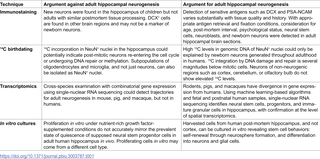
Moving beyond the debate: Harnessing hippocampal stem cells to combat cognitive aging
This Perspective article argues for moving beyond the debate about whether adult neurogenesis exists in the human hippocampus, and instead f
plos.io·27d ago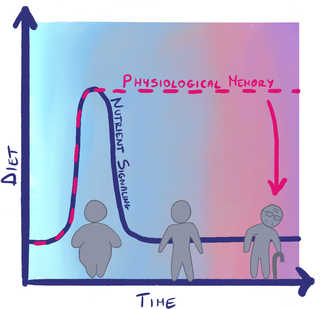
Toward a life-course biology of aging: How early-life conditions shape late-life health and longevity
This article proposes a "life-course biology of aging" framework, arguing that aging is not solely determined by current conditions but is s
plos.io·26d ago
Ageing Acceleration Around Age 50: Study Reveals Tissue Changes
An analysis reveals that ageing of tissues accelerates around age 50, with an inflection point where ageing speeds up, especially in blood v
nature.com·11mo agoComments
Sign in to join the conversation.
No comments yet. Be the first.