
























Gamma-Ray Bursts: How Cold War Satellites Accidentally Discovered the Universe's Most Powerful Explosions
By
Jeanette Kazmierczak
Summary
This article explores gamma-ray bursts (GRBs), the most powerful explosions in the known universe, which can emit a quintillion times the luminosity of our Sun. It traces their accidental discovery through U.S. Air Force Vela satellites originally launched in 1963 to detect gamma rays from banned nuclear weapons tests. The piece explains that GRBs are now understood to announce the births of new black holes, and covers the scientific journey from Cold War surveillance to groundbreaking astrophysical discovery.
Source
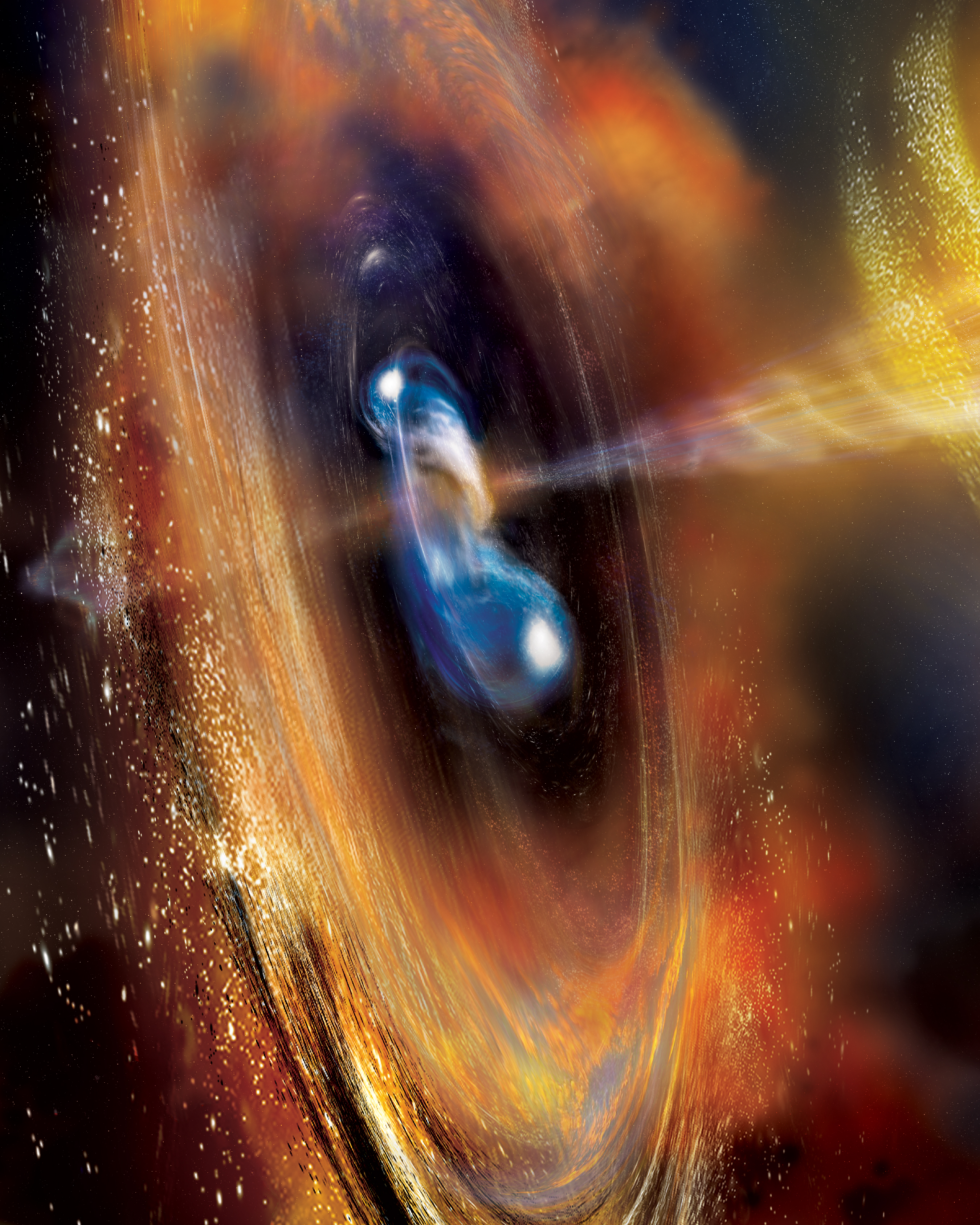
 Twitter / XGamma-Ray Bursts: How Cold War Satellites Accidentally Discovered the Universe's Most Powerful Explosionsgo.nasa.gov
Key quotes
· 5 pulledThe most powerful events in the known universe – gamma-ray bursts (GRBs) – are short-lived outbursts of the highest-energy light.
They can erupt with a quintillion (a 10 followed by 18 zeros) times the luminosity of our Sun.
Now thought to announce the births of new black holes, they were discovered by accident.
The backstory takes us to 1963, when the U.S. Air Force launched the Vela satellites to detect gamma rays from banned nuclear weapons tests.
The United States had just signed a treaty with the United Kingdom and the Soviet Union to prohibit tests within Earth's atmosphere.
You might also wanna read

Astronomers detect unusual repeating gamma-ray burst of unknown origin outside our galaxy
Astronomers have detected a mysterious gamma-ray explosion that repeated several times over the course of a day, an event unlike any previou
 eso.org·9mo ago
Researchers Propose White Dwarf–Black Hole Interactions to Explain Record-Breaking Gamma-Ray Burst GRB 250702B
In 2025, the Fermi Gamma-ray Space Telescope detected GRB 250702B, the longest gamma-ray burst ever observed, originating from a distant dus
 aasnova.org·16d ago
Astronomers Discover Most Distant and Powerful Black Hole Flare from Star Destruction
Astronomers have discovered the most powerful and distant flare of energy ever recorded from a supermassive black hole, likely caused by a m
 caltech.edu·7mo ago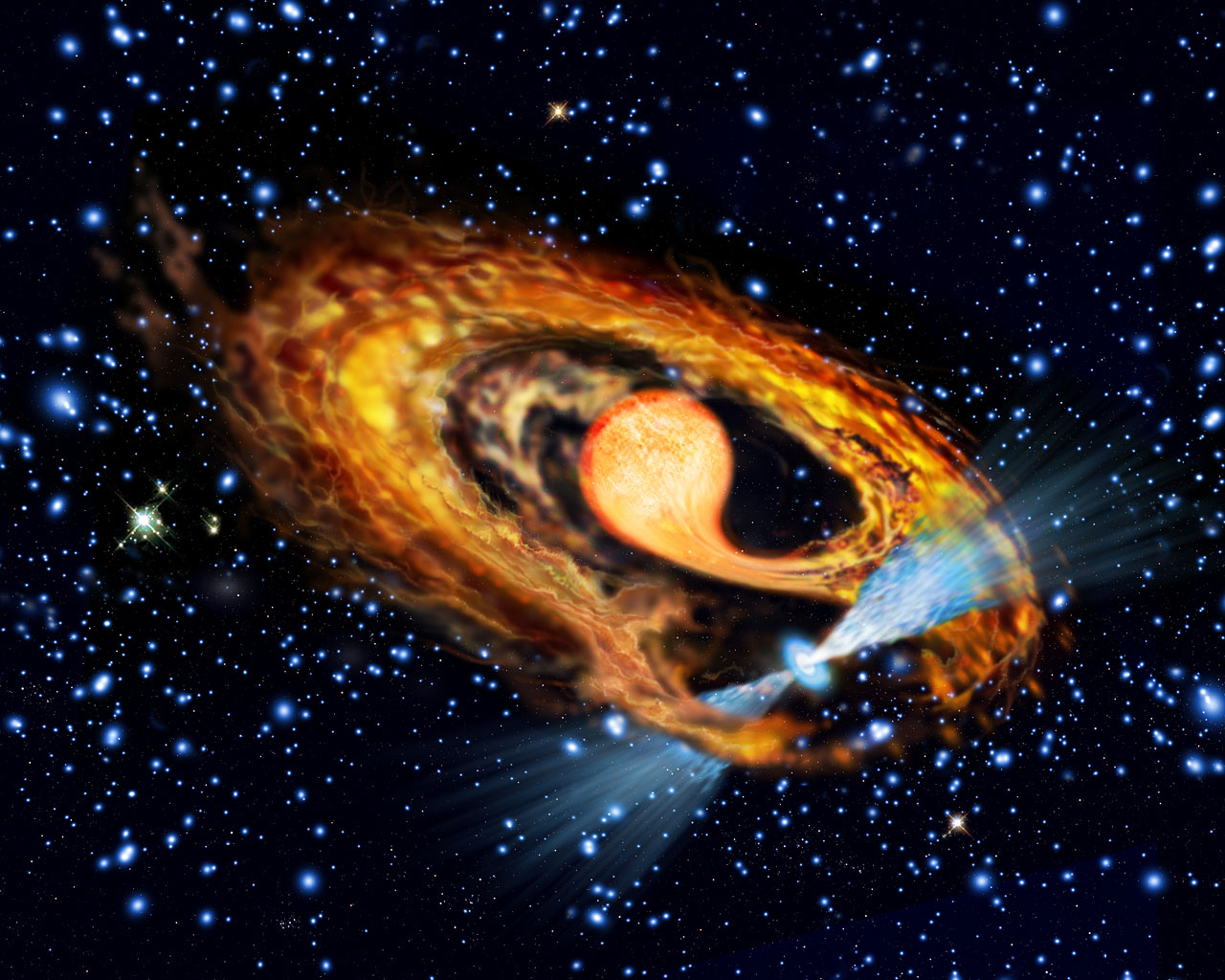
Six New Millisecond Pulsars Discovered Using FAST Telescope Data Stacking
Researchers using China's FAST telescope (the world's largest single-dish radio telescope) have discovered six previously undetected millise
aasnova.org·27d ago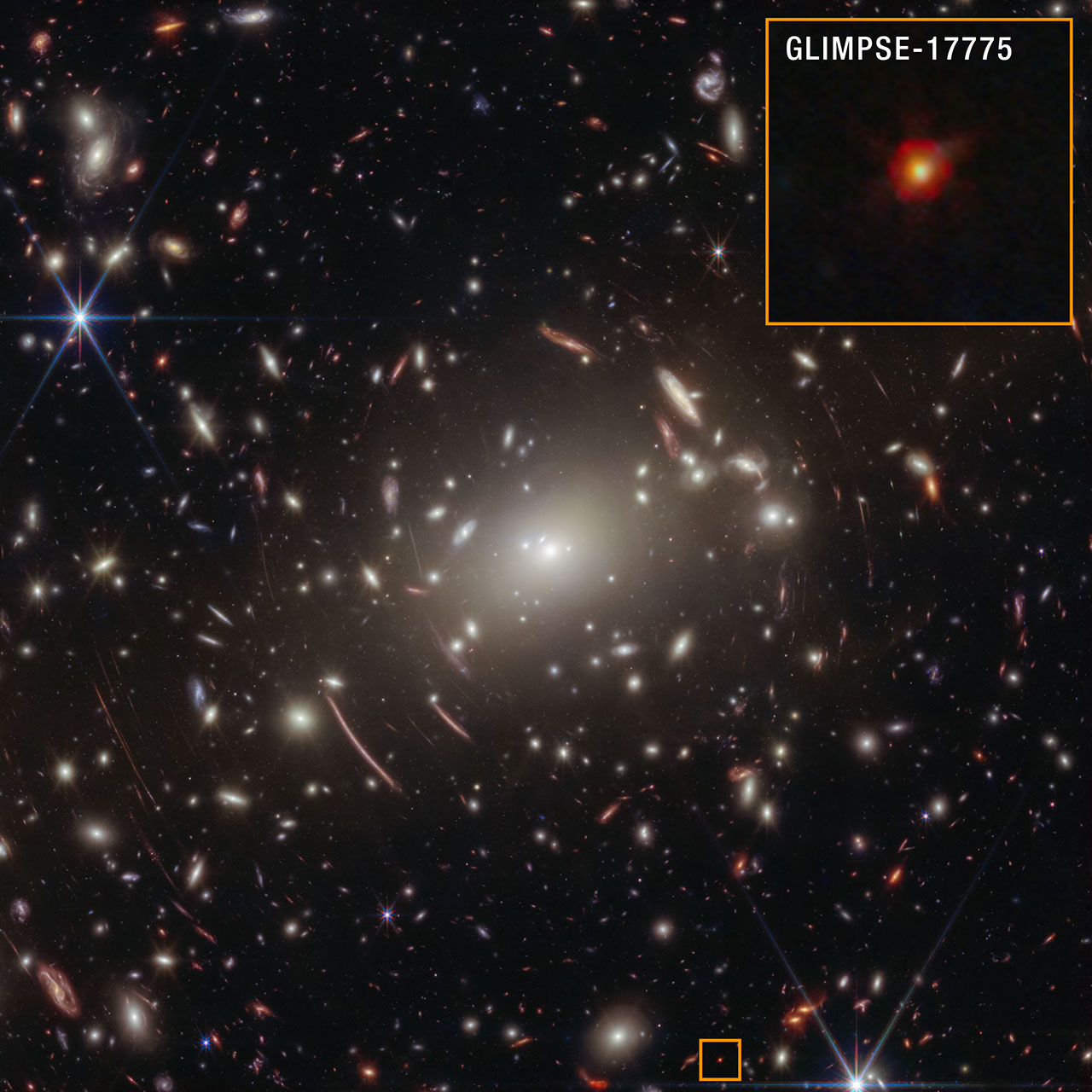
NASA's Webb Telescope Provides Strongest Evidence Yet for 'Black Hole Stars' in Early Universe
Astronomers using NASA's James Webb Space Telescope have identified a "little red dot" galaxy called GLIMPSE-17775, whose spectrum provides
science.nasa.gov·15d ago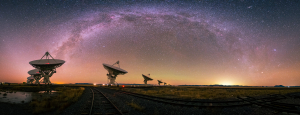
NSF VLA Reveals Supermassive Black Holes Emit Radio "Burps" Years After Destroying Stars
Astronomers using the NSF Very Large Array have discovered that supermassive black holes continue to emit radio waves years after tearing ap
 public.nrao.edu·10d ago
Comments
Sign in to join the conversation.
No comments yet. Be the first.