
























The distant future of the Moon: from tidal drift to the Sun's final act
By
Phil Plait
Summary
This article explores the long-term fate of the Moon, examining its formation history, its gravitational relationship with Earth, and the eventual influence of the Sun. It discusses how the Moon formed from a giant impact, how tidal forces are slowly pushing it away from Earth, and what will happen billions of years from now as the Sun expands into a red giant. The piece blends astronomy, planetary science, and cosmic timescales to paint a picture of the Moon's distant future.
Source
 bskyThe distant future of the Moon: from tidal drift to the Sun's final actscientificamerican.com
Key quotes
· 4 pulledEvery time I see the moon in the sky, it makes me happy.
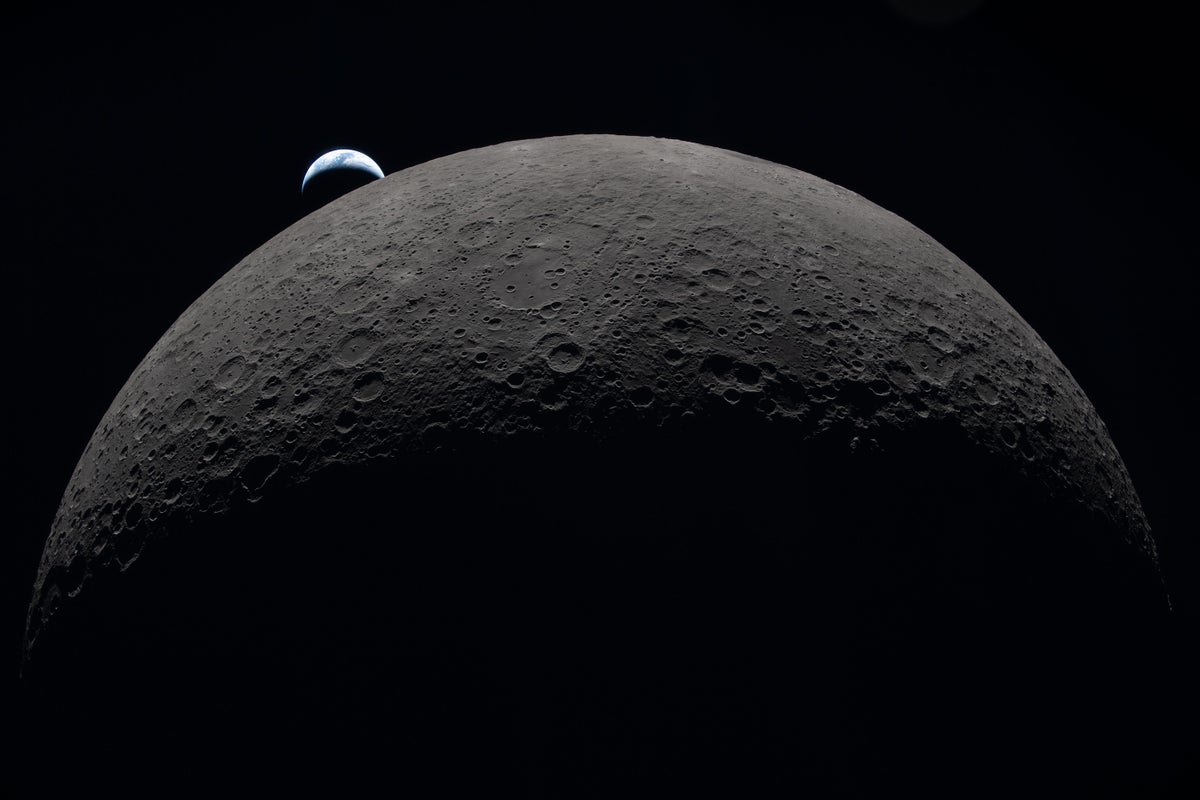
Much of its history is written on its face, with huge dark spots marking where ancient gigantic impacts scarred its surface, still visible after billions of years.
That future is tied up in how it formed, how it's gravitationally linked to Earth, and, in the end, what the sun has to say about all this.
The big picture of the moon's origin is fairly well established.
You might also wanna read
The Moon is Slowly Slipping Away – And It’s Changing Everything
Will Earth survive the Sun's death? New study suggests it might.
The Sun's death may not be the end: James Webb telescope reveals the secret

Understanding the Origin of Theia: Evaluating Earth's Last Giant Impactor
The article discusses the dynamical origin of Theia, the last giant impactor on Earth, and evaluates the idea using dynamical simulations of
arxiv.org·1y ago
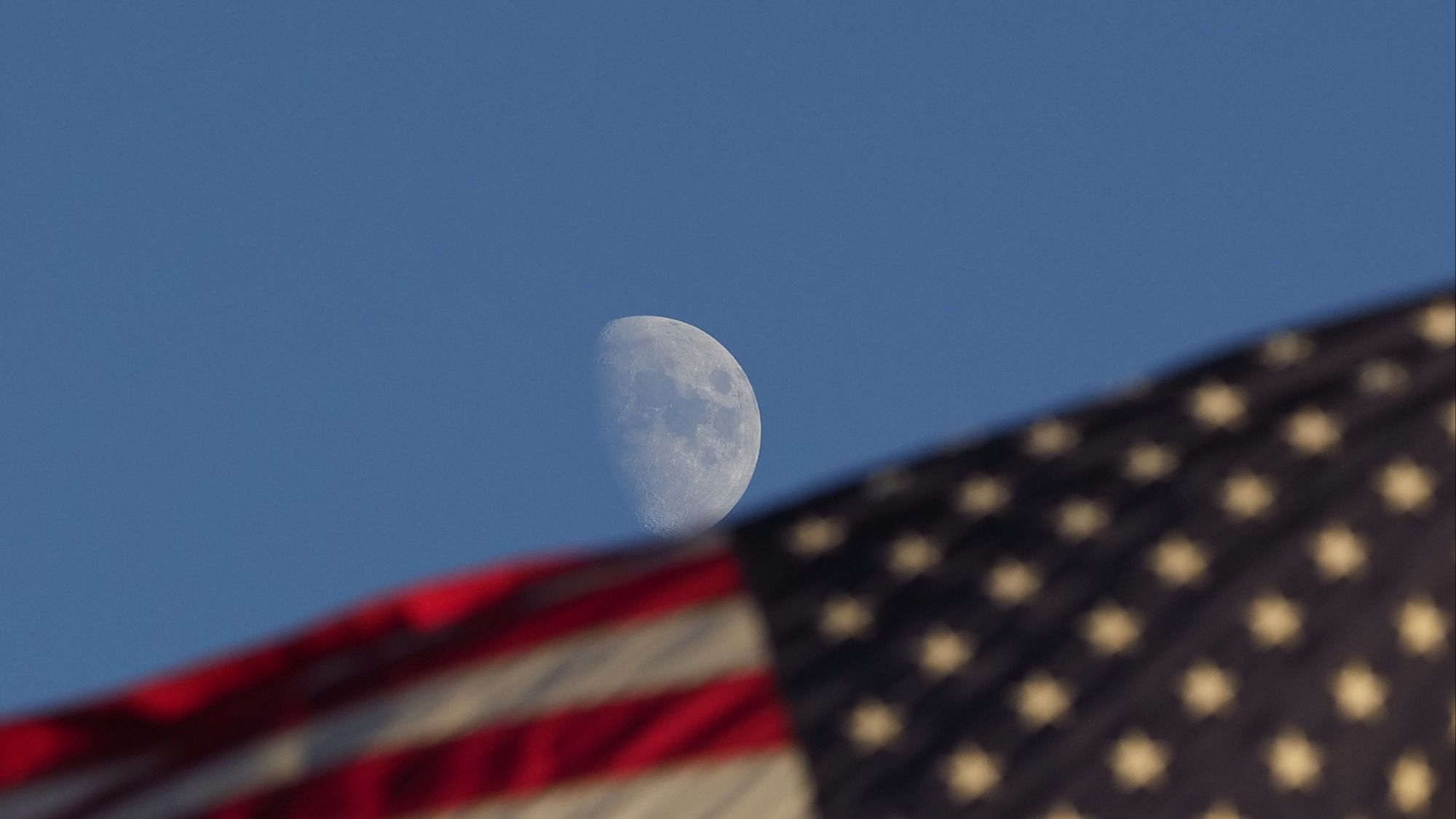
The moon was 31 feet closer to Earth in 1776 — and served as a clock, calendar and streetlight
The article explores how the moon has changed since 1776, noting that it was about 31 feet closer to Earth on July 4, 1776, than it is today
 space.com·6d ago
The moon was 31 feet closer to Earth in 1776 — and served as a clock, calendar and streetlight
The article explores how the moon has changed since 1776, noting that it was about 31 feet closer to Earth on July 4, 1776, than it is today
space.com·6d agoThe moon was 31 feet closer to Earth in 1776 — and served as a clock, calendar and streetlight
The article explores how the moon has changed since 1776, noting that it was about 31 feet closer to Earth on July 4, 1776, than it is today
Space·6d ago
LuSEE-Night: Lunar Radio Telescope to Study Cosmic Dark Ages from Moon's Far Side
Astronomer Jack Burns has worked for four decades to place a radio telescope on the moon, with the first one (LuSEE-Night) scheduled to laun
 spectrum.ieee.org·5mo ago
Comments
Sign in to join the conversation.
No comments yet. Be the first.