





















LuSEE-Night: Lunar Radio Telescope to Study Cosmic Dark Ages from Moon's Far Side
By
rbanffy

Baker's choice. Dense with flavour, light on filler.
Summary
Astronomer Jack Burns has worked for four decades to place a radio telescope on the moon, with the first one (LuSEE-Night) scheduled to launch in early 2027. The lunar far side offers unique advantages for radio astronomy, being shielded from Earth's radio interference and providing an ideal environment to study the cosmic dark ages and early universe formation. The article explores the scientific potential of lunar radio telescopes, the challenges of operating in the harsh lunar environment, and how this could revolutionize our understanding of the universe.
Key quotes
· 4 pulledAstronomer Jack Burns has spent four decades working to place a radio telescope on the moon. The first one is finally scheduled to launch in early 2027.
Isolation dictates where we go to see into the far reaches of the universe. The Atacama Desert of Chile, the summit of Mauna Kea in Hawaii, the vast expanse of the Australian Outback—these are where astronomers and engineers have built the great observatories and radio telescopes of modern times.
The lunar far side offers a unique environment for radio astronomy, being permanently shielded from Earth's radio interference, which makes it an ideal location to study the cosmic dark ages.
LuSEE-Night represents a significant step toward establishing a permanent radio observatory on the moon that could unlock mysteries about the formation of the first stars and galaxies.
You might also wanna read

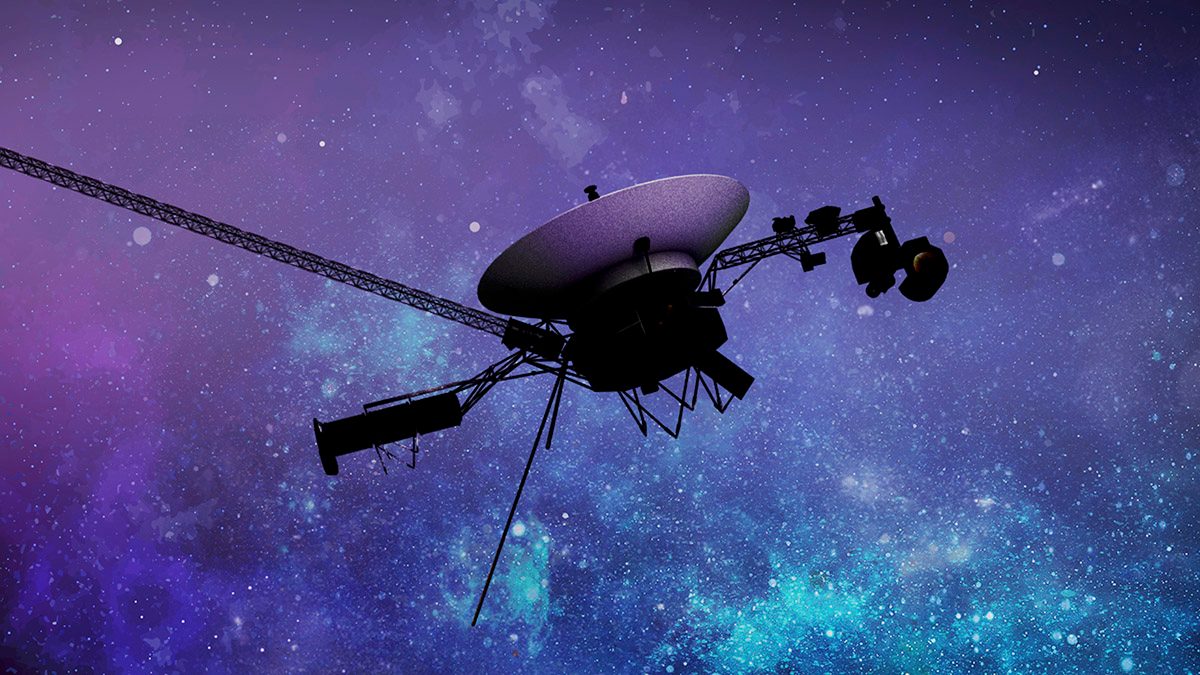
Voyager 1 to reach one light-day from Earth by November 2026
Voyager 1, the farthest human-made object in existence since 1998, is approaching a major milestone: on or around November 13, 2026, it will
 skyatnightmagazine.com·22h ago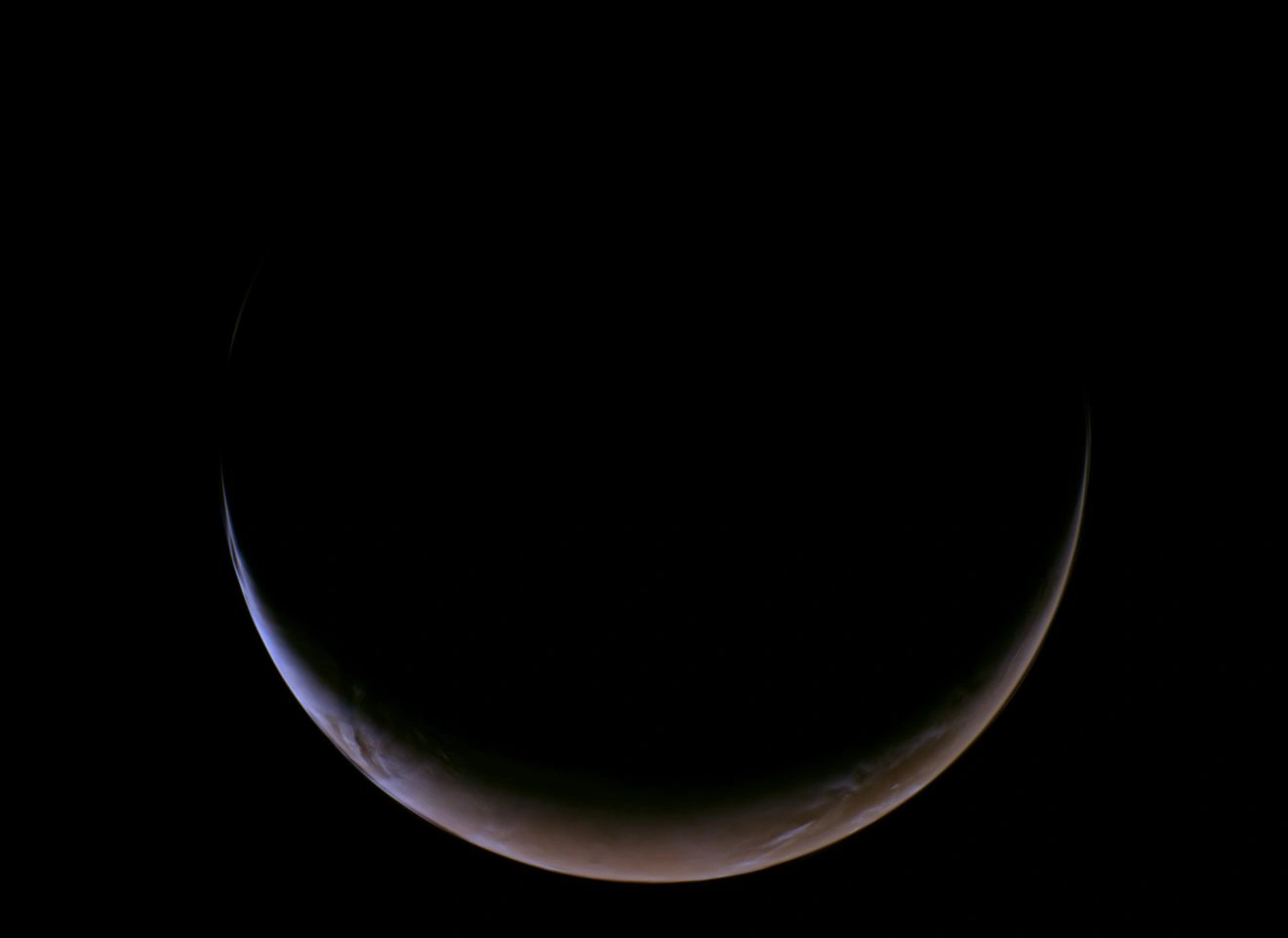
NASA's Psyche Mission Captures Stunning Mars Images During Gravity-Assist Flyby
NASA's Psyche asteroid mission performed a successful gravity-assist flyby of Mars on its way to the asteroid Psyche. The spacecraft used Ma
 skyandtelescope.org·4d ago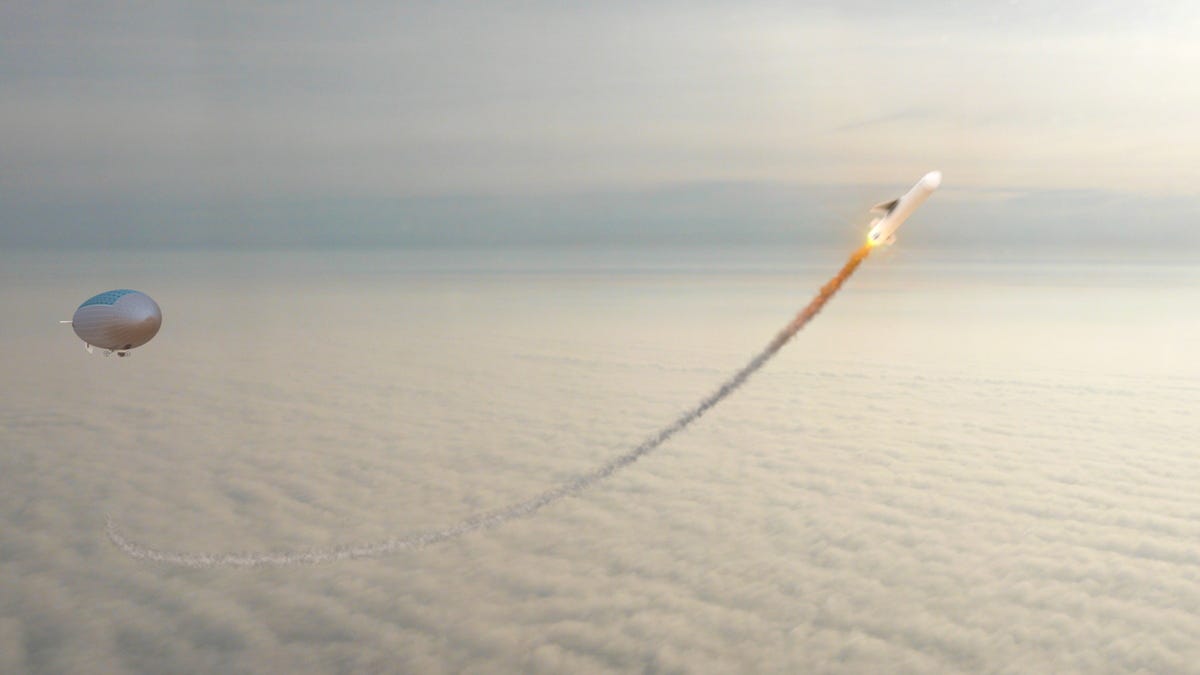
Why Venus deserves serious consideration as a destination for human space exploration
The article argues that Venus, not Mars, may be a more practical and achievable destination for human space exploration in the near term. Wh
 mceglowski.substack.com·1mo ago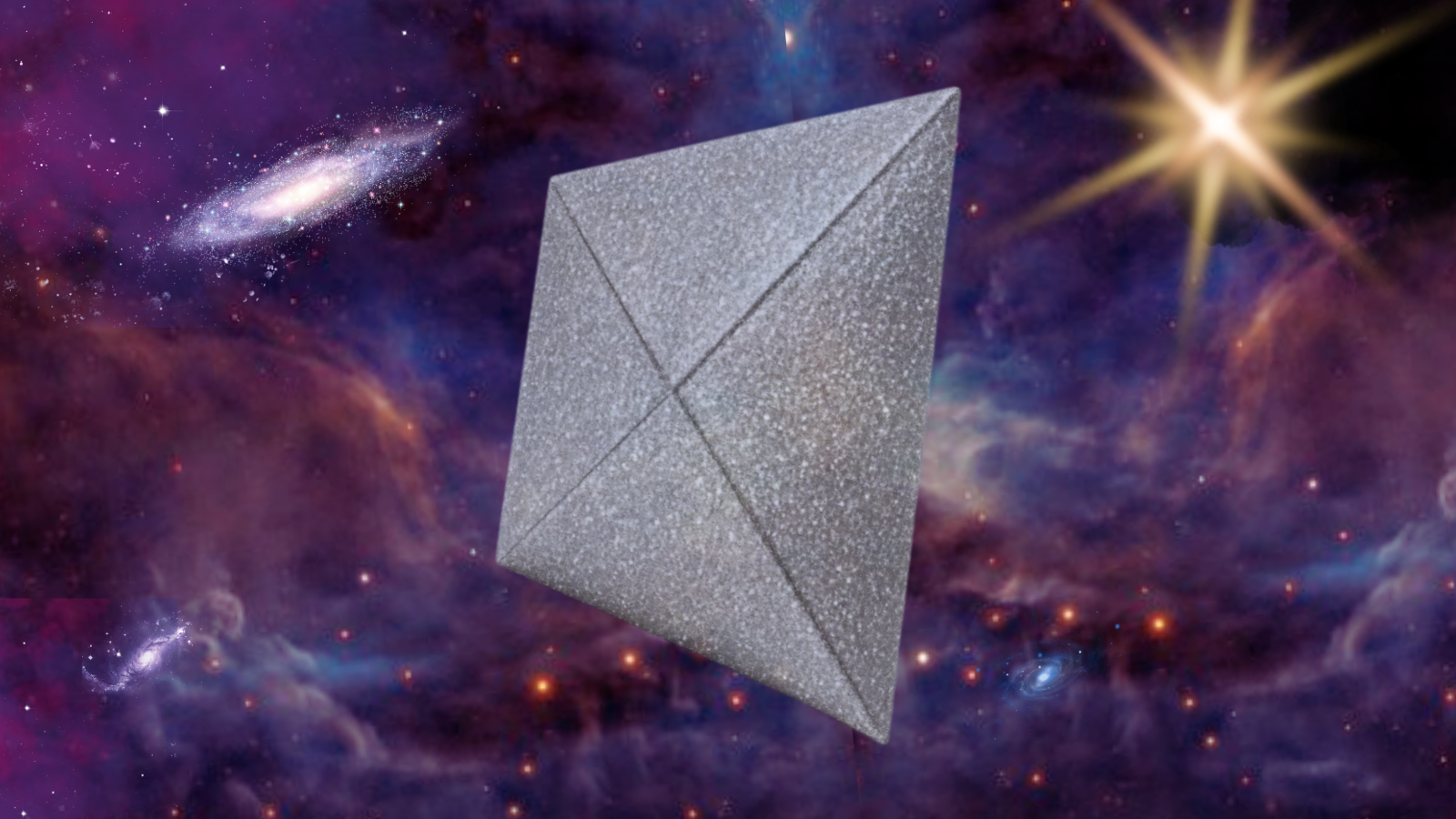
How solar sails could propel humanity to interstellar space
This article explores the concept of solar sails as a realistic propulsion method for interstellar space travel. It discusses how solar sail
 space.com·13h ago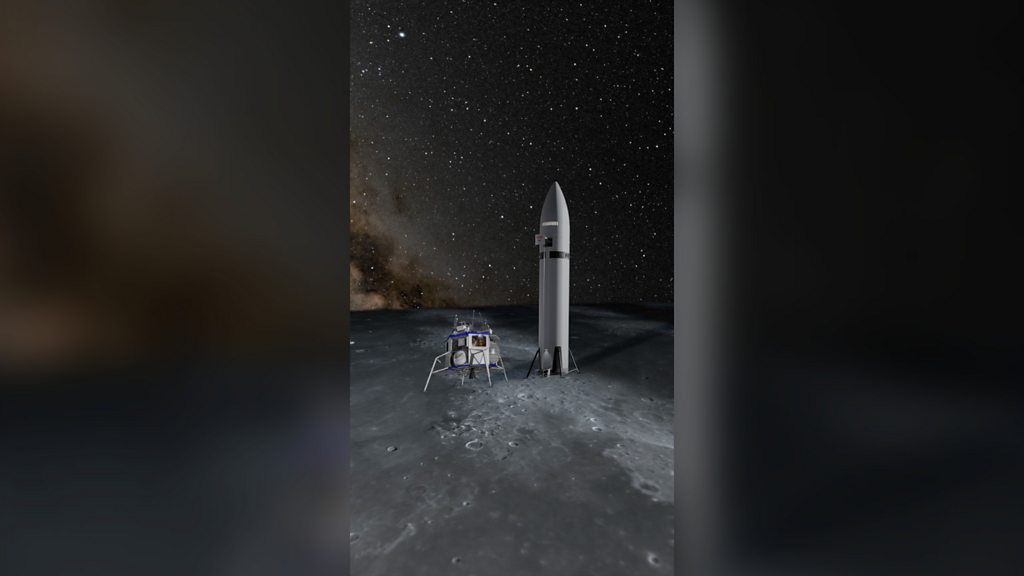
Nasa reveals plans for lunar base with robotic landers and drones
Nasa has released details of its plans to build a lunar base on the Moon, involving robotic landers, hopping drones, and vehicles. The initi
 bbc.com·16h ago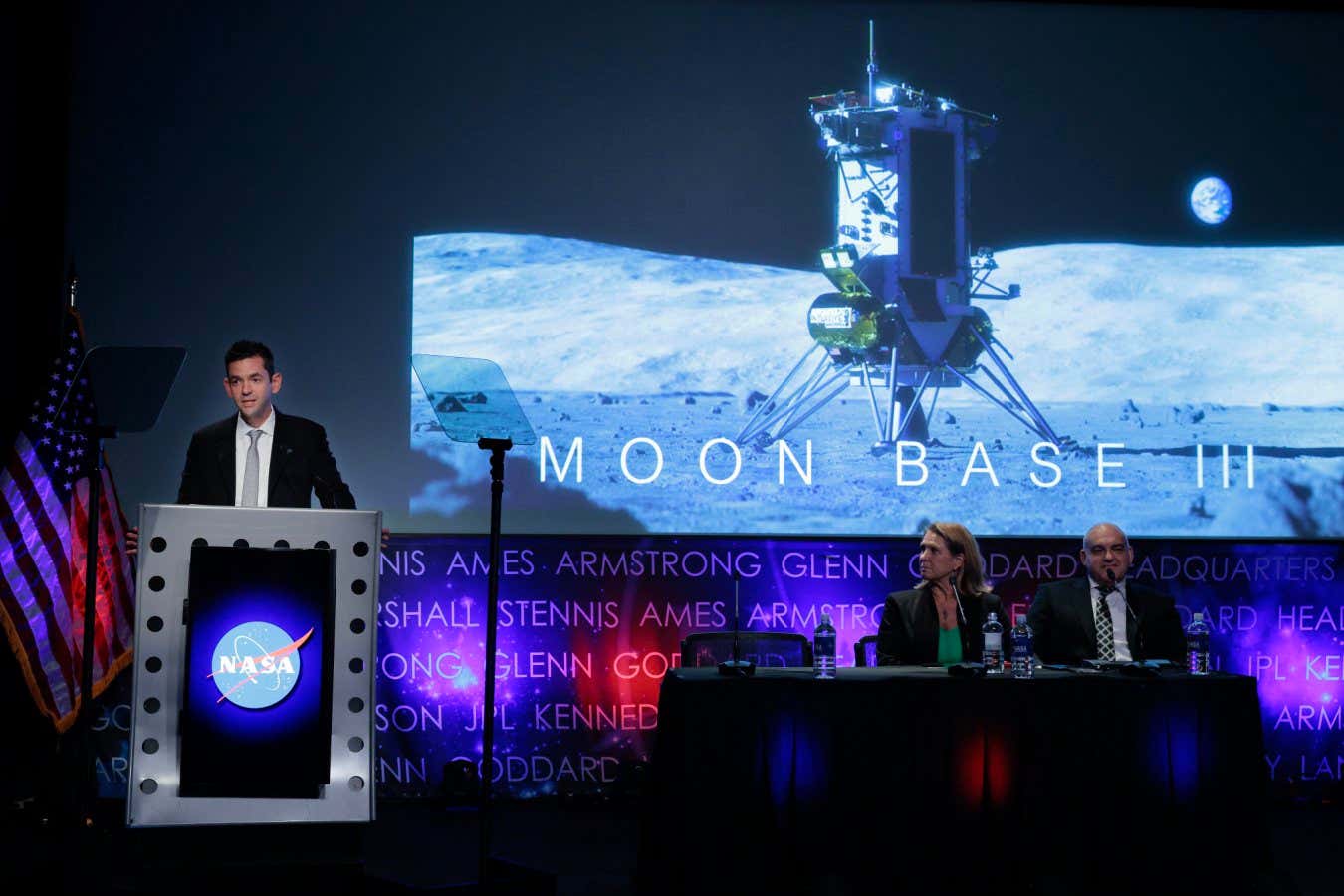
NASA reveals plans for permanent lunar base spanning hundreds of square kilometres
NASA has revealed plans to build a permanent lunar base spanning hundreds of square kilometres as part of its Artemis programme. The initial
 newscientist.com·21h ago