
























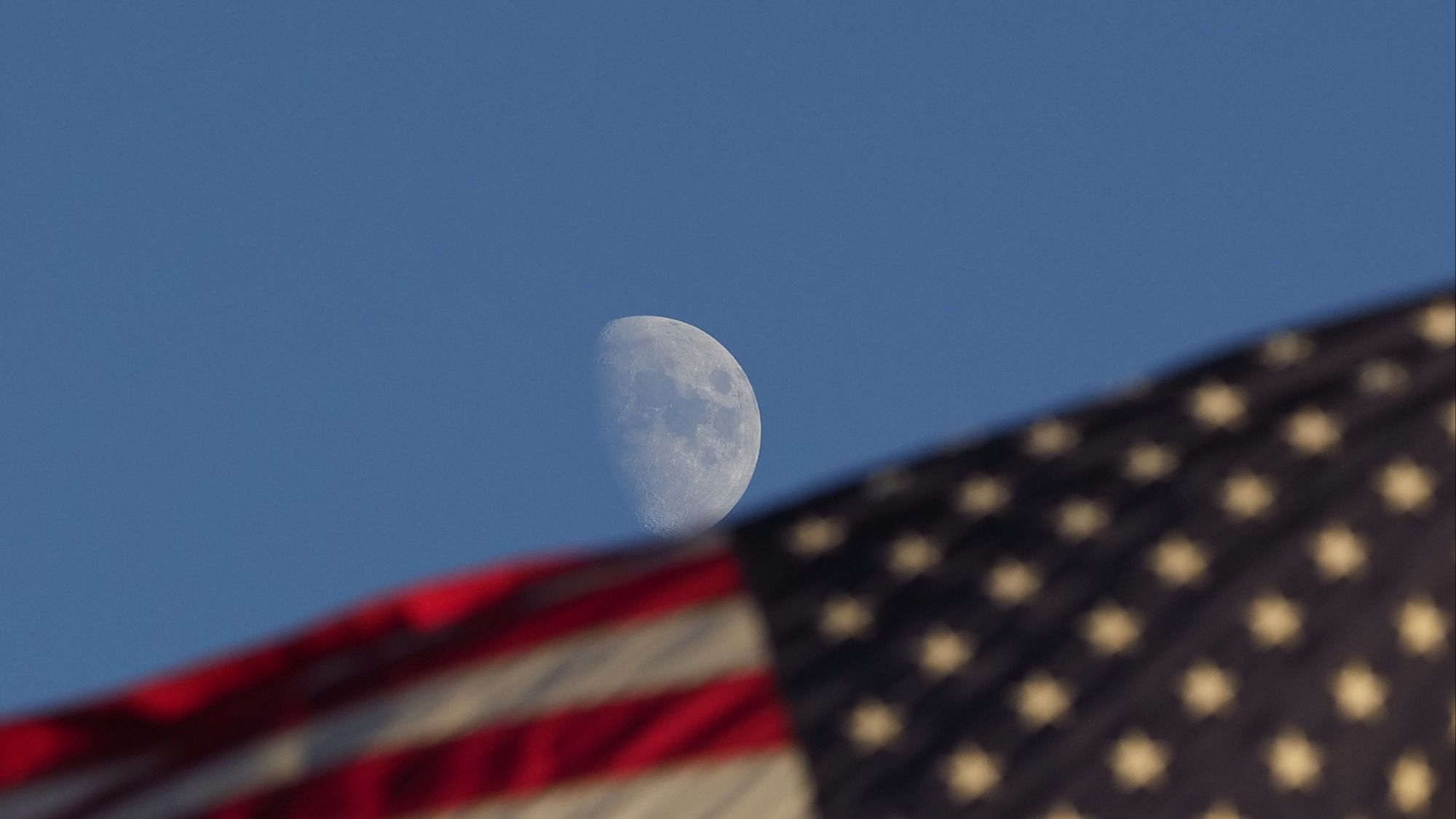
The moon was 31 feet closer to Earth in 1776 — and served as a clock, calendar and streetlight
By
Stefanie Waldek
Summary
The article explores how the moon has changed since 1776, noting that it was about 31 feet closer to Earth on July 4, 1776, than it is today. It explains that the moon is currently drifting away from Earth at a rate of about 3.8 cm per year, and discusses the historical and cultural significance of the moon as a clock, calendar, and streetlight for people in the 18th century.
Source
 Twitter / XThe moon was 31 feet closer to Earth in 1776 — and served as a clock, calendar and streetlightspace.com
Key quotes
· 3 pulledAfter Americans declared independence on July 4, 1776, a waning gibbous moon rose in the night sky.
250 years ago, the moon was about 31 feet (9.4 meters) closer to Earth than it is now.
The moon is currently drifting away from Earth at a rate of about 3.8 centimeters [1.5 inches] per year, which is coincidentally roughly the same speed at which our fingernails grow.
You might also wanna read


America 250: From 1776 to the moon and beyond (A Space.com series)

Space science has come a long way since July 4, 1776. Here's a look back at the saga

Moon phase today: What the Moon will look like on July 3
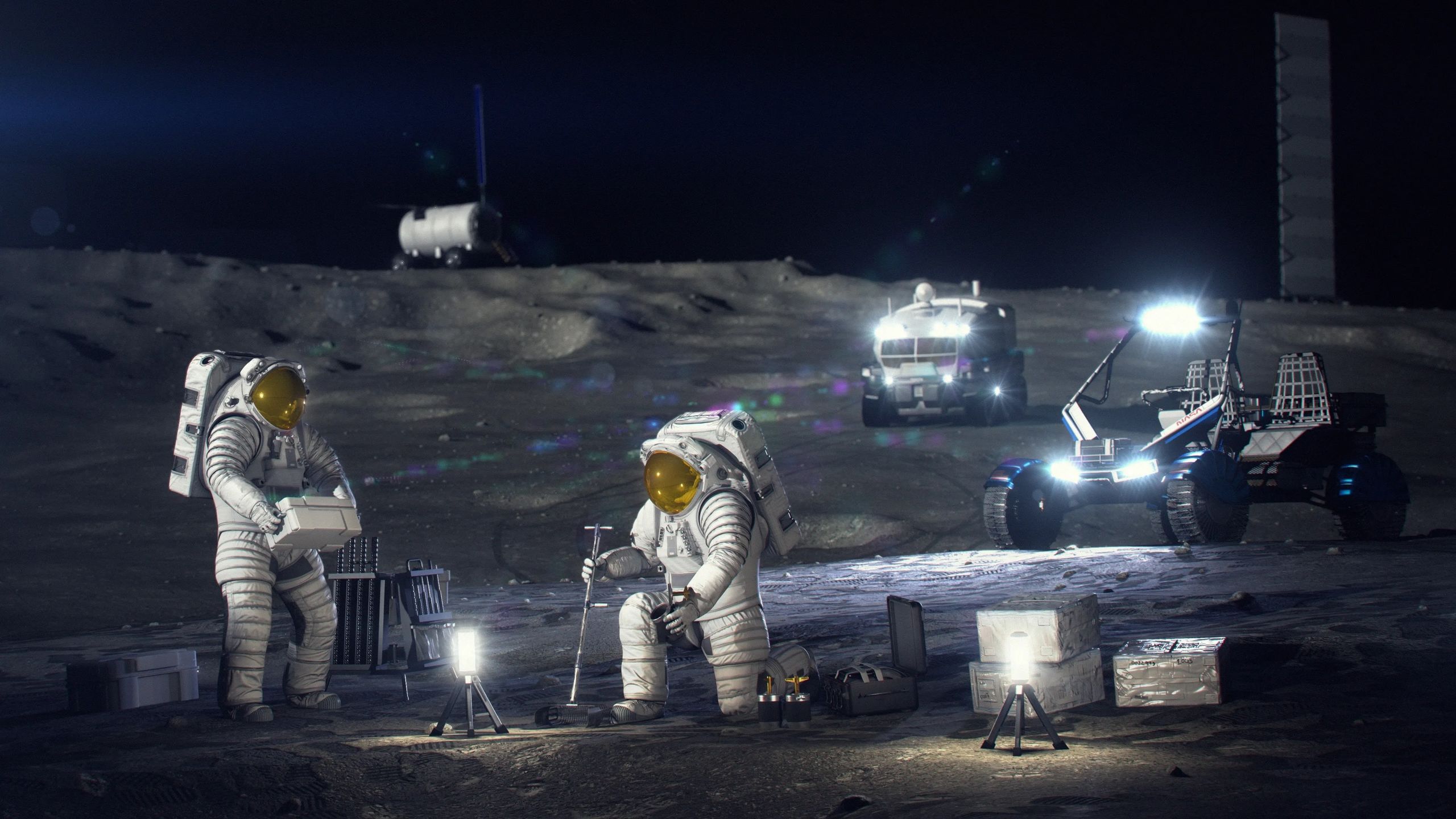
From 1776 to Artemis: How the U.S. aerospace era transformed human flight and returned to the moon
The article reflects on humanity's long journey toward flight, noting that when the U.S. was founded in 1776, human flight was still 7 years
 space.com·11h ago
From 1776 to Artemis: How the U.S. aerospace era transformed human flight and returned to the moon
The article reflects on humanity's long journey toward flight, noting that when the U.S. was founded in 1776, human flight was still 7 years
Space·11h ago
Moon phase today: What the Moon will look like on July 4
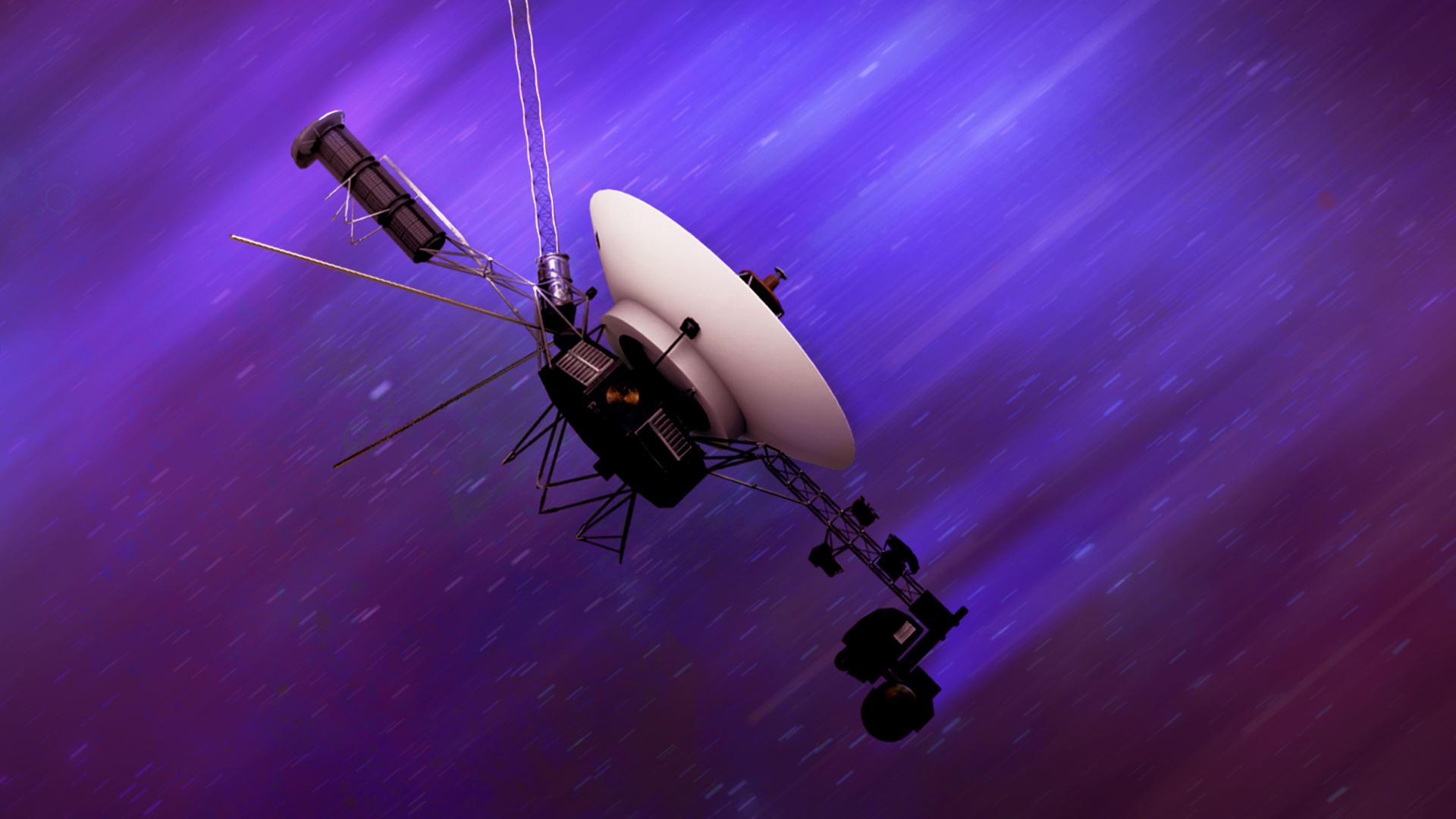
Voyager 1 to Reach One Light-Day Distance from Earth by November 2026
NASA's Voyager 1 spacecraft, launched in 1977, is approaching a historic milestone where it will be exactly one light-day from Earth by Nove
 scienceclock.com·7mo ago
Comments
Sign in to join the conversation.
No comments yet. Be the first.