
























From 1776 to Artemis: How the U.S. aerospace era transformed human flight and returned to the moon
By
Mike Wall
Summary
The article reflects on humanity's long journey toward flight, noting that when the U.S. was founded in 1776, human flight was still 7 years away (the Montgolfier brothers' hot air balloon in 1783). It traces the rapid acceleration of aerospace achievement from the Wright brothers to the Apollo moon landings, and connects this history to current NASA Artemis missions returning humans to the lunar surface. The piece uses the timeline of U.S. history as a framing device to highlight how transformative the aerospace era has been.
Source
 bskyFrom 1776 to Artemis: How the U.S. aerospace era transformed human flight and returned to the moonspace.com
Key quotes
· 3 pulledHumanity has likely dreamed of flight since the very beginning, marveling at birds soaring overhead and trying to puzzle out their seemingly magical secret.
Our boots were still firmly rooted on the ground when the United States of America was born on July 4, 1776.
The United States has lived almost exactly half its life in the aerospace era.
You might also wanna read


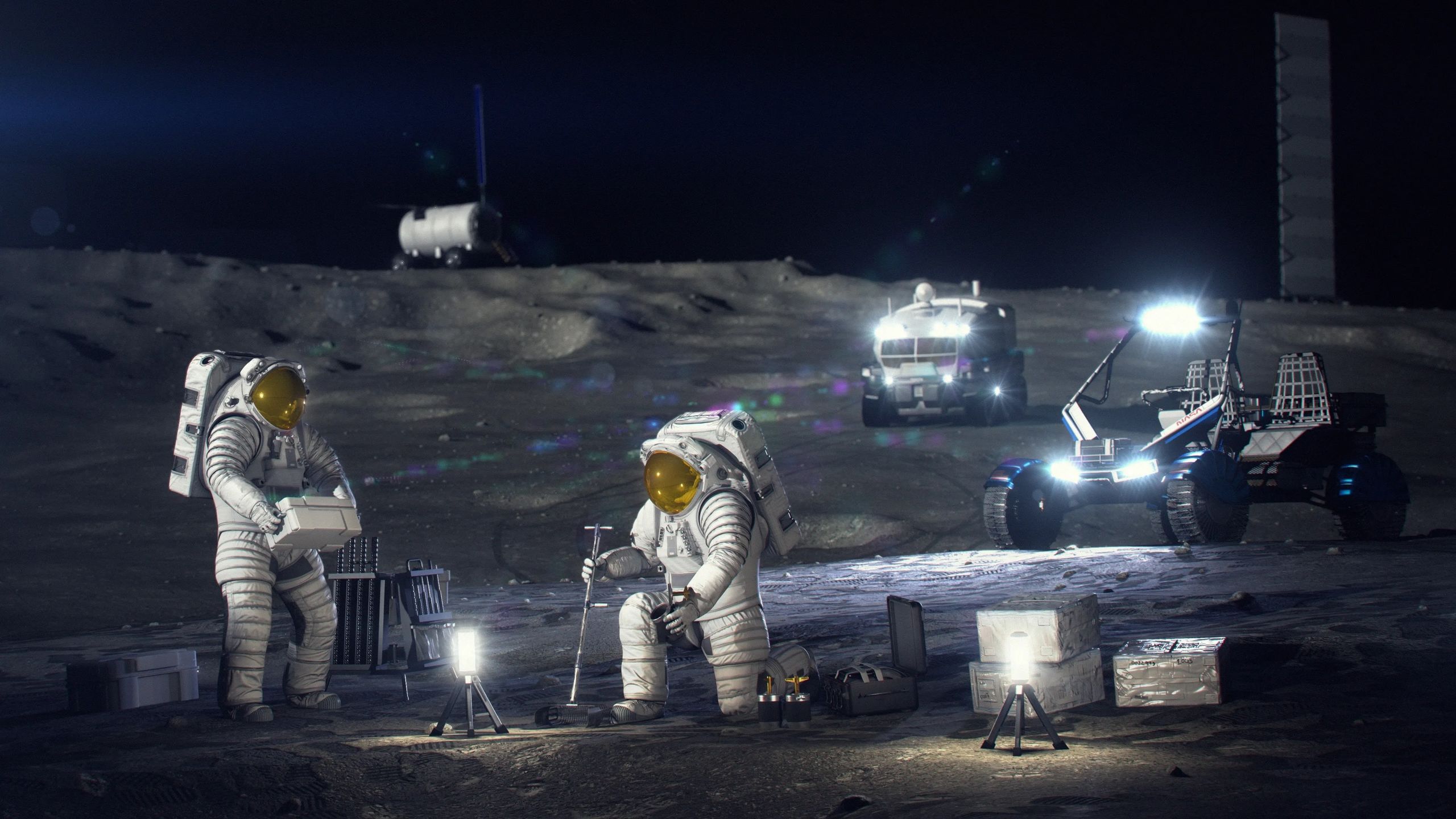
America 250: From 1776 to the moon and beyond (A Space.com series)

Space science has come a long way since July 4, 1776. Here's a look back at the saga

NASA Sets April 1 Launch Target for Artemis II Crewed Moon Mission
NASA has targeted April 1 for the launch of Artemis II, the first crewed mission to orbit the moon since 1972. The decision follows a succes
 npr.org·3mo ago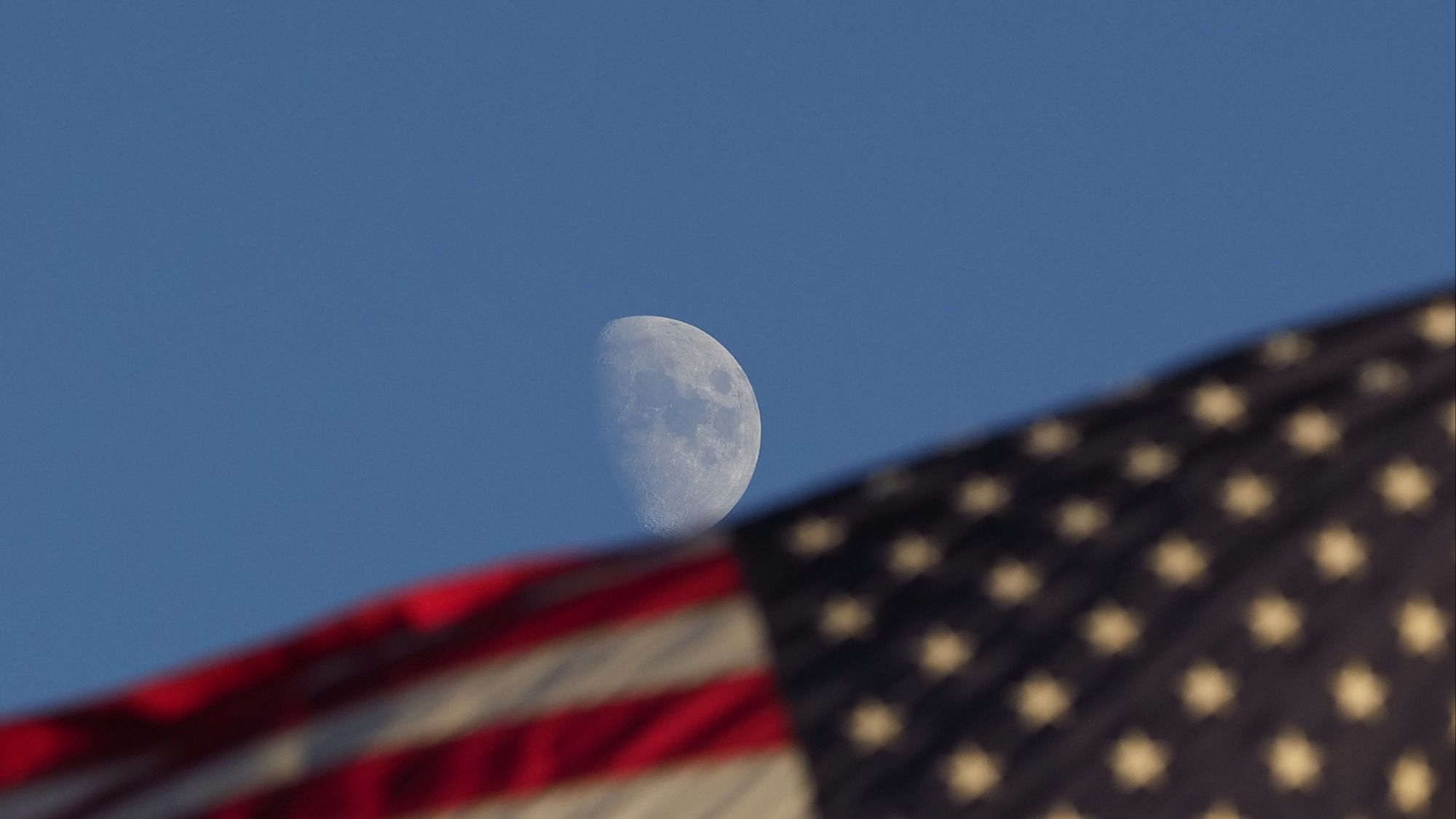
The moon was 31 feet closer to Earth in 1776 — and served as a clock, calendar and streetlight
The article explores how the moon has changed since 1776, noting that it was about 31 feet closer to Earth on July 4, 1776, than it is today
 space.com·2d ago
The moon was 31 feet closer to Earth in 1776 — and served as a clock, calendar and streetlight
The article explores how the moon has changed since 1776, noting that it was about 31 feet closer to Earth on July 4, 1776, than it is today
Space·2d agoThe moon was 31 feet closer to Earth in 1776 — and served as a clock, calendar and streetlight
The article explores how the moon has changed since 1776, noting that it was about 31 feet closer to Earth on July 4, 1776, than it is today
space.com·2d ago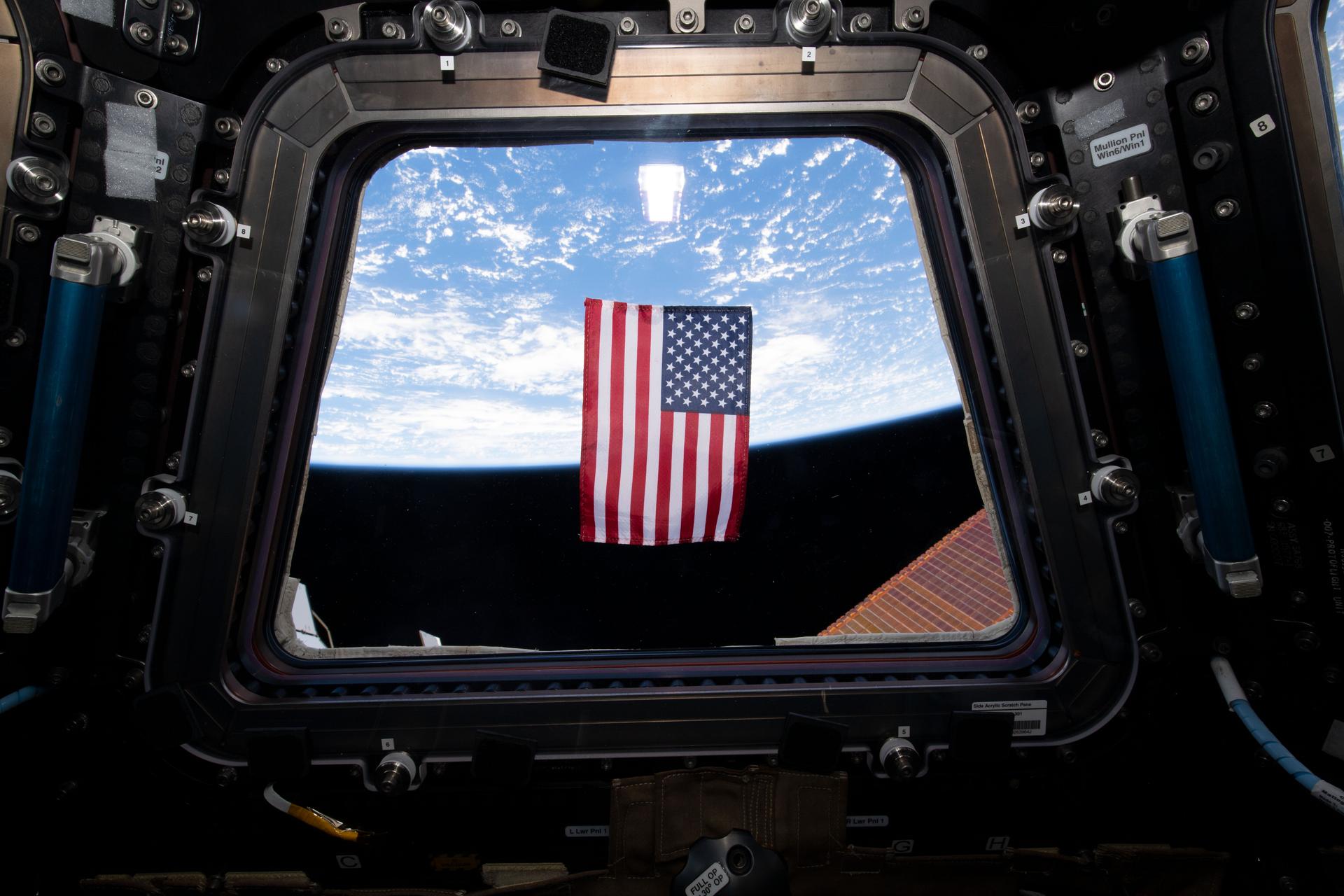
NASA Plans Aircraft Flyovers to Celebrate America's 250th Anniversary
NASA is celebrating America's 250th birthday (the Semiquincentennial) with a series of special aircraft flyovers and related activities. The
 nasa.gov·9d ago
NASA Plans Aircraft Flyovers to Celebrate America's 250th Anniversary
NASA is celebrating America's 250th birthday (the Semiquincentennial) with a series of special aircraft flyovers and related activities. The
nasa.gov·9d ago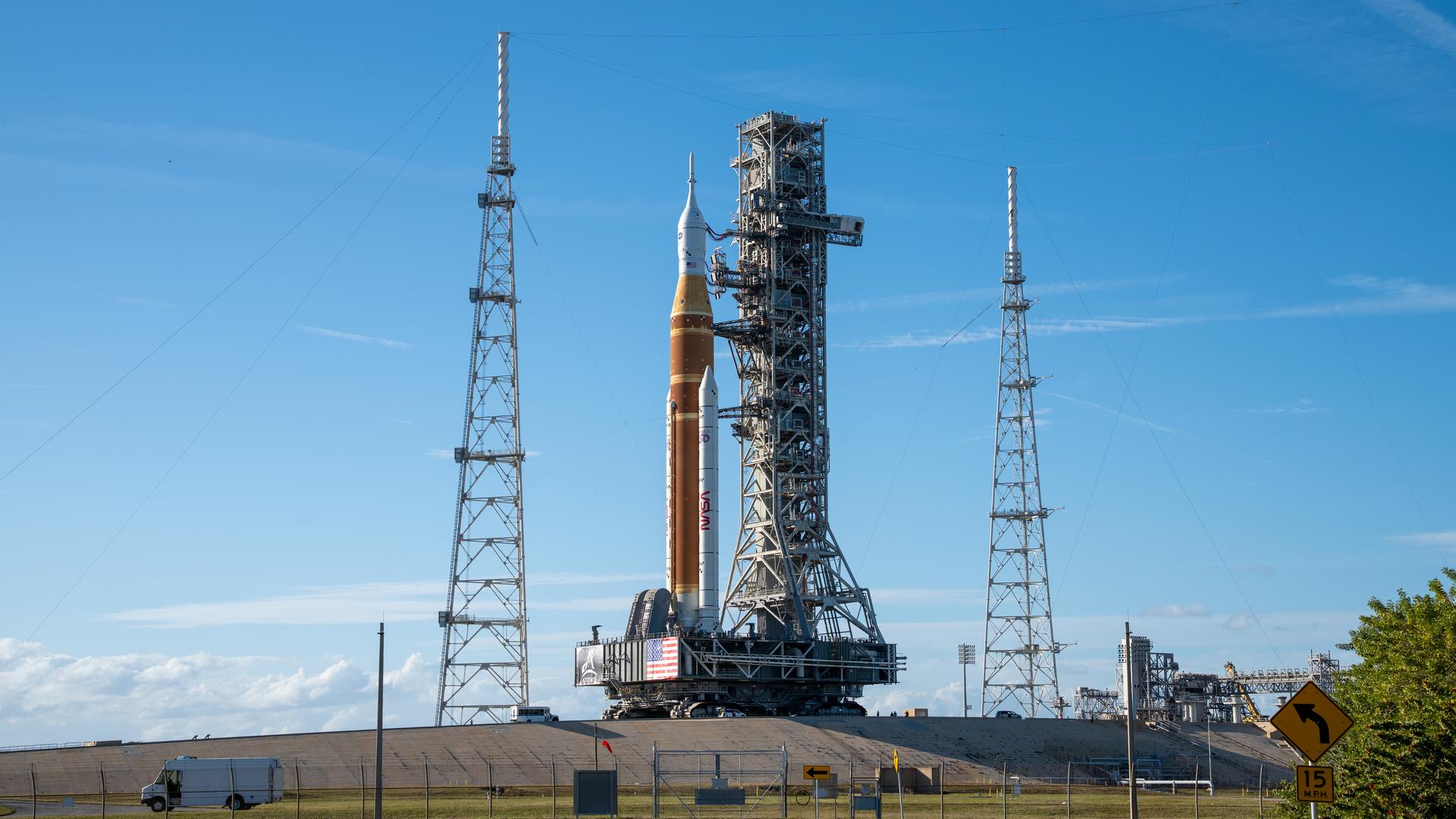
NASA's Artemis II Mission to Carry Historical Mementos on First Crewed Lunar Flight
NASA's Artemis II mission, the first crewed test flight of the Artemis campaign, will carry a collection of historical mementos aboard the O
go.nasa.gov·3d agoNASA's Artemis II Mission to Carry Historical Mementos on First Crewed Lunar Flight
NASA's Artemis II mission, the first crewed test flight of the Artemis campaign, will carry a collection of historical mementos aboard the O
go.nasa.gov·3d agoNASA's Artemis II Mission to Carry Historical Mementos on First Crewed Lunar Flight
NASA's Artemis II mission, the first crewed test flight of the Artemis campaign, will carry a collection of historical mementos aboard the O
go.nasa.gov·3d ago
Comments
Sign in to join the conversation.
No comments yet. Be the first.