
























New gliding dinosaur fossil from China may have preyed on early Cretaceous birds
By
Aaron Tremper
Summary
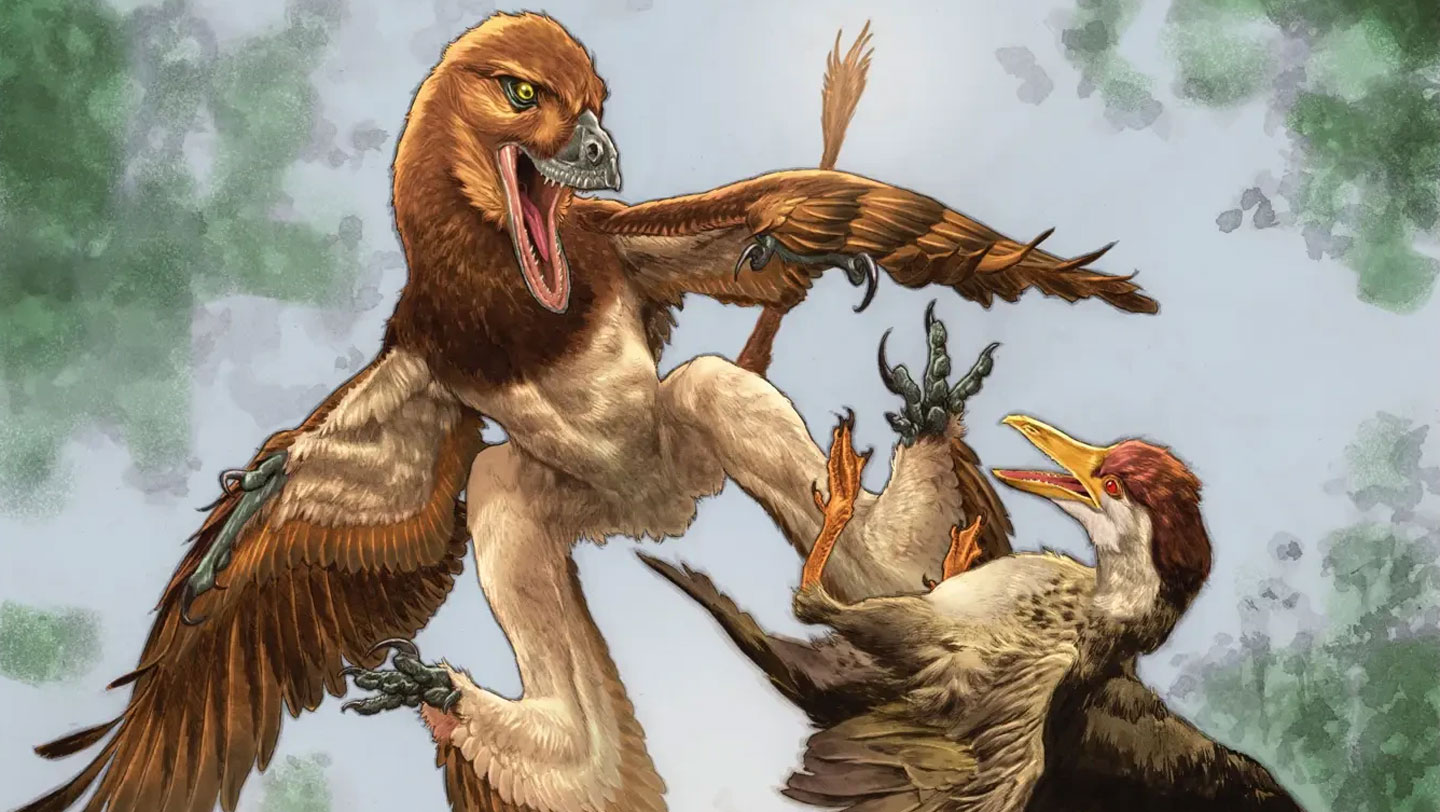
A newly described gliding dinosaur species, Jianchangmaensis, discovered in northwestern China, may have been a predator of early Cretaceous birds. The fossil's arm and shoulder bones suggest gliding capabilities, potentially solving a 120-million-year-old mystery about what preyed on ancient birds like Gansus yumenensus. The discovery sheds light on the ecological interactions between early birds and their dinosaur contemporaries.
Source
 Twitter / XNew gliding dinosaur fossil from China may have preyed on early Cretaceous birdssciencenews.org
Key quotes
· 2 pulledThe arm and shoulder bones of a gliding dinosaur might have just revealed the culprit behind a gruesome whodunit that took place some 120 million years ago.
Since 2002, researchers have unearthed more than a hundred prehistoric b
You might also wanna read

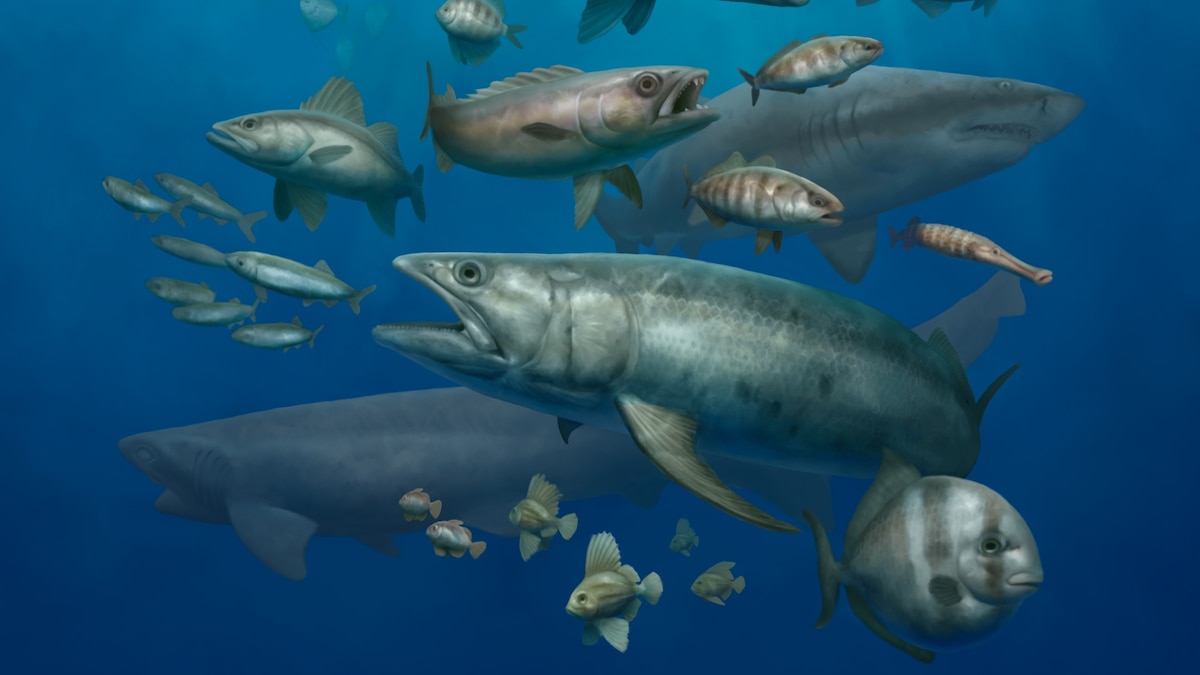
Egyptian fossil discovery reveals how fish rebounded after dinosaur-killing asteroid
Paleontologists in Egypt have discovered a remarkable cache of nearly 500 fossilized fish specimens from over 20 species, dating back 62.2 m
 nationalgeographic.com·28d ago
Fossil evidence reveals vertebrate predation on Mississippian blastoid Pentremites spicatus
This scientific paper presents evidence of vertebrate predation on the Mississippian blastoid Pentremites spicatus, a type of extinct echino
 scup.com·10d ago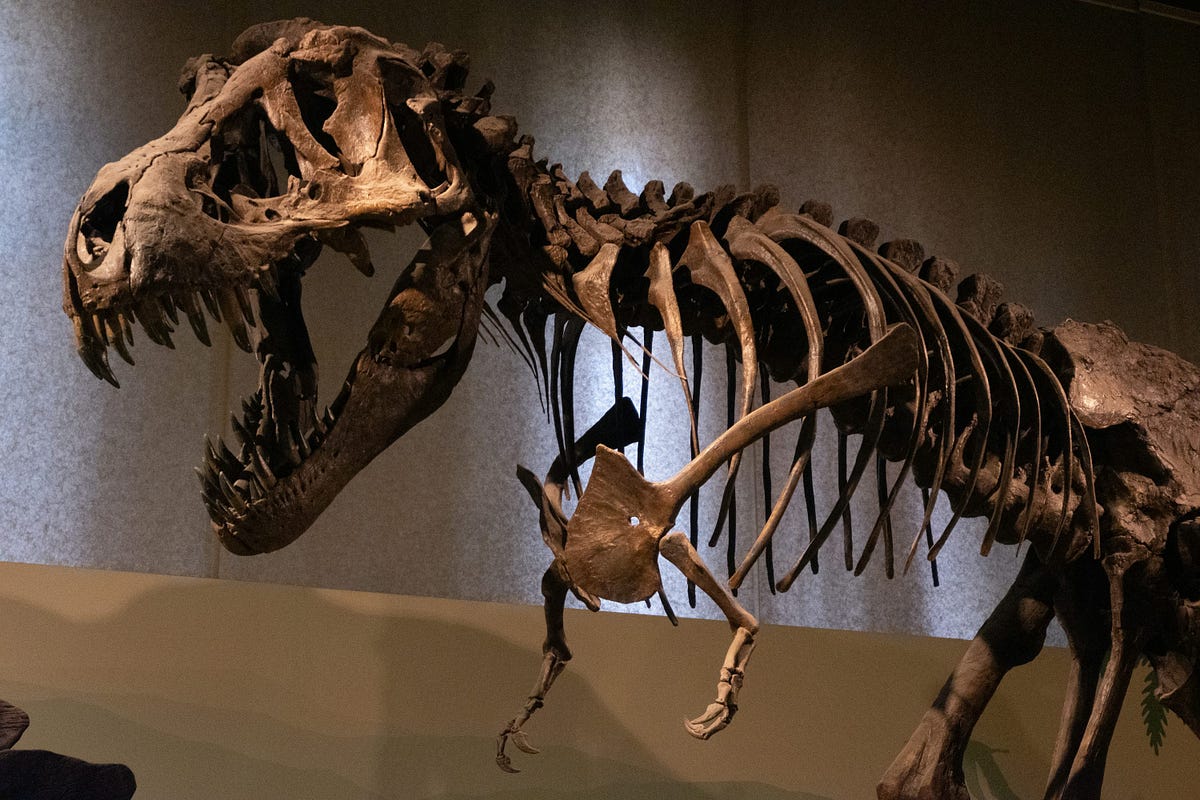
Study investigates why carnivorous dinosaurs repeatedly evolved tiny forelimbs
A recent paleontological study by Dr. Charlie Roger Scherer and colleagues investigates why many carnivorous theropod dinosaurs evolved such
 medium.com·29d ago
Study investigates why carnivorous dinosaurs repeatedly evolved tiny forelimbs
A recent paleontological study by Dr. Charlie Roger Scherer and colleagues investigates why many carnivorous theropod dinosaurs evolved such
medium.com·29d ago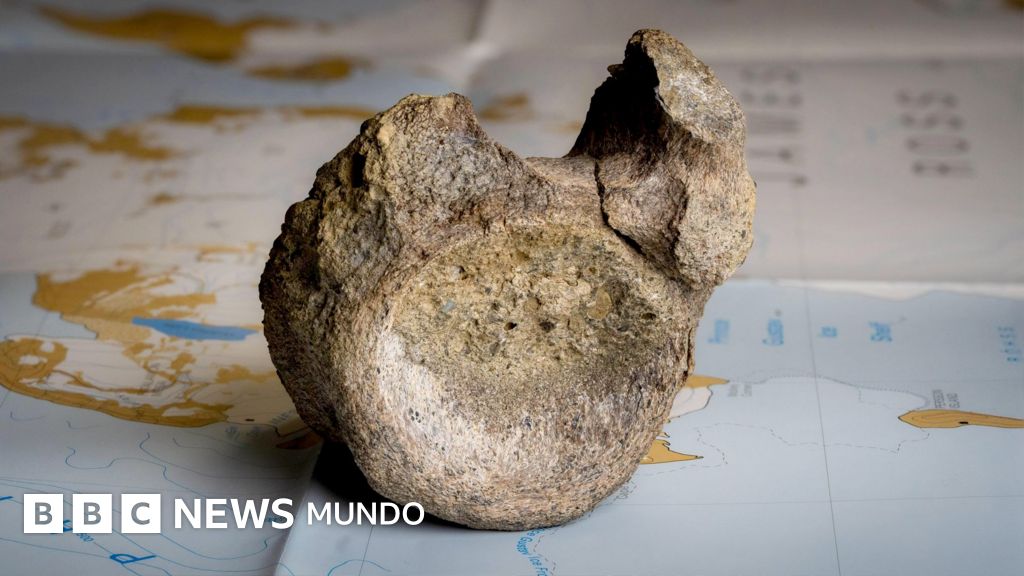
Encuentran olvidado en un cajón el primer hueso de un dinosaurio que habitaba en una Antártida cubierta de frondosos bosques
 bbc.com·3d ago
Yale Biologists Document Geese Eating Tools in Groundbreaking Discovery
Biologists from Yale University observed Canada geese eating tools, a behavior previously undocumented in birds. The discovery, described as
 The Onion·10mo ago
Oldest preserved soft tissues in crinoids reveal tube feet anatomy and ecological insights
This article reports a significant paleontological discovery: the oldest evidence of soft-tissue preservation in crinoids (sea lilies), spec
 royalsocietypublishing.org·29d ago
Comments
Sign in to join the conversation.
No comments yet. Be the first.