
























A Complete Guide to Olive Varieties: Castelvetrano, Kalamata, Manzanilla, and Their Culinary Uses
By
Emily Saladino
Summary
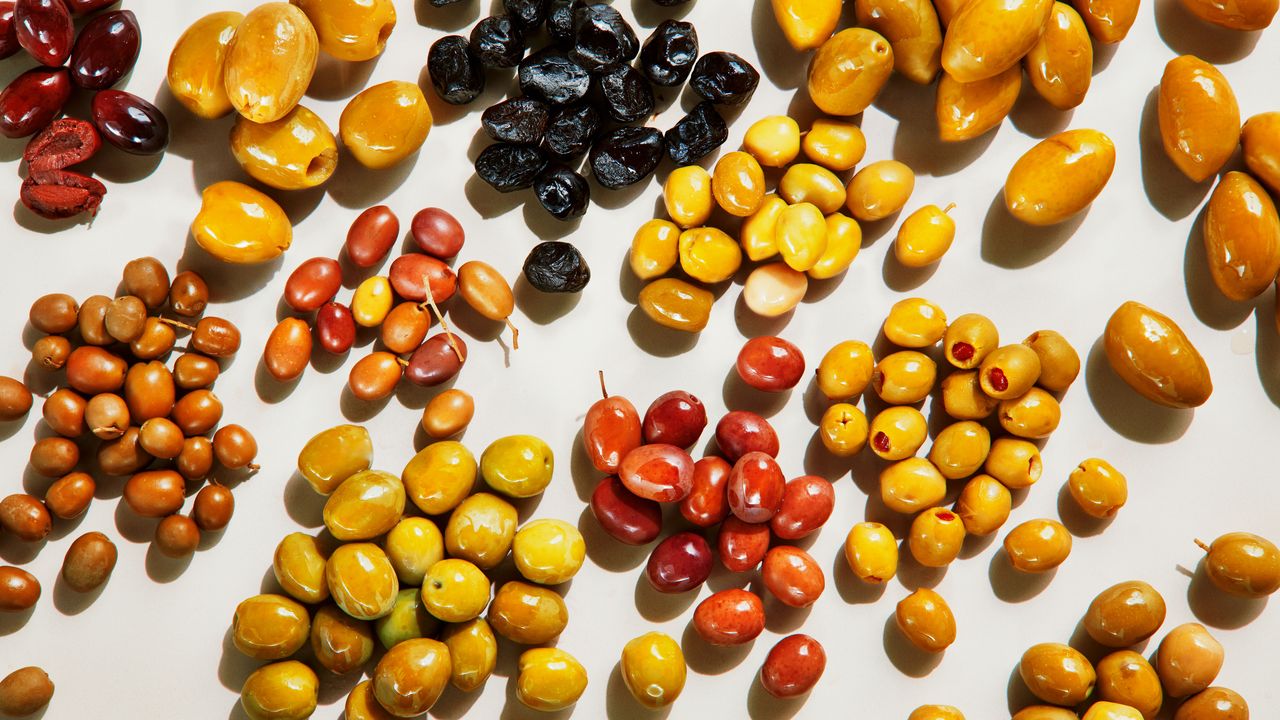
A comprehensive guide to olive varieties, covering the history, cultivation, flavor profiles, textures, and culinary uses of popular types including Castelvetrano, Kalamata, Manzanilla, and others. The article explains how different olives are best suited for specific purposes such as martinis, cooking, snacking, and charcuterie boards, while also providing background on olive cultivation dating back 8,000 years.
Source
 Twitter / XA Complete Guide to Olive Varieties: Castelvetrano, Kalamata, Manzanilla, and Their Culinary Usesbonappetit.com
Key quotes
· 4 pulledThere are hundreds of types of olives in this big, briny world.
Historians estimate that people have been growing and harvesting olives for some 8,000 years.
Olive trees can remain productive for centuries—sometimes more than a thousand years.
Devotees wax poetic as they toss their favorites into pastas and salads, bake them into savory breads, and load up dirty martinis until their coupes runneth over.
You might also wanna read


Practical Guide to Ordering Food in Italian Restaurants in Italy
This article provides practical guidance for travelers on how to order food in Italian restaurants in Italy, covering essential vocabulary,
 Duolingo·7mo ago
From Masa to Pan Dulce: The Cultural History of Bread in Mesoamerica and Mexico
This essay traces the deep history of bread in Mesoamerica and Mexico, from pre-Columbian maize-based masa and tortillas to the introduction
 brewminate.com·25d ago
The History of Eating Utensils: From Hands to Knives, Spoons, and Forks
This article explores the historical evolution of eating utensils, tracing how humans moved from eating with their hands to using tools like
 foodculturebites.com·17d ago
Archaeological Study Reveals Complex Plant-Based Diets of Prehistoric Europeans Through Pottery Residue Analysis
Archaeological research analyzing pottery residues from prehistoric European sites reveals complex plant-based diets and cooking practices.
 arstechnica.com·4mo ago
2,000-year-old grape seeds from Tuscan wells reveal Roman Empire's role in shaping modern wine
Scientists analyzing 2,000-year-old grape seeds recovered from ancient wells in Tuscany have mapped the most extensive genetic history of an
 york.ac.uk·19d ago
Sumac: The Ancient Spice Bridging Persian and Native American Culinary Traditions
This article explores the history and cultural significance of sumac, a tart, deep-red spice used in Middle Eastern cuisine for centuries. I
foodculturebites.com·29d ago
Comments
Sign in to join the conversation.
No comments yet. Be the first.