





















Sumac: The Ancient Spice Bridging Persian and Native American Culinary Traditions
By
Janette Speyer

Crackling crust, pillowy middle. The kind of bagel that earns a second cup of coffee.
Summary
This article explores the history and cultural significance of sumac, a tart, deep-red spice used in Middle Eastern cuisine for centuries. It draws a fascinating parallel between Persian/Iranian culinary traditions and Native American communities, who independently used various sumac species for food, medicine, and beverages long before European contact. The article highlights how two distinct cultures on different continents discovered and utilized the same plant family, showcasing convergent culinary evolution and the shared human appreciation for sour, flavorful ingredients.
Key quotes
· 3 pulledThere was once a deep-red spice used long before lemons became common in kitchens worldwide.
But, surprisingly, not many people know that Native American communities across North America also used varieties of sumac for food, medicine, and drinks for centuries
Sumach, Sumak, or Sumac, depending on where you come from, is most associated with the cuisines of the Middle East.
You might also wanna read


The Historical Journey of Fish Sauce: From Ancient Civilizations to Modern Cuisine
This article explores the rich history and cultural significance of fish sauce, tracing its origins from ancient Asian civilizations through
 legalnomads.com·1mo ago
Historical Accounts of Korea's Abundant Food Culture Through the Centuries
This article explores the historical tradition of massive meals in Korea, using the 1592 Japanese invasion as a starting point to illustrate
 atlasobscura.com·7mo ago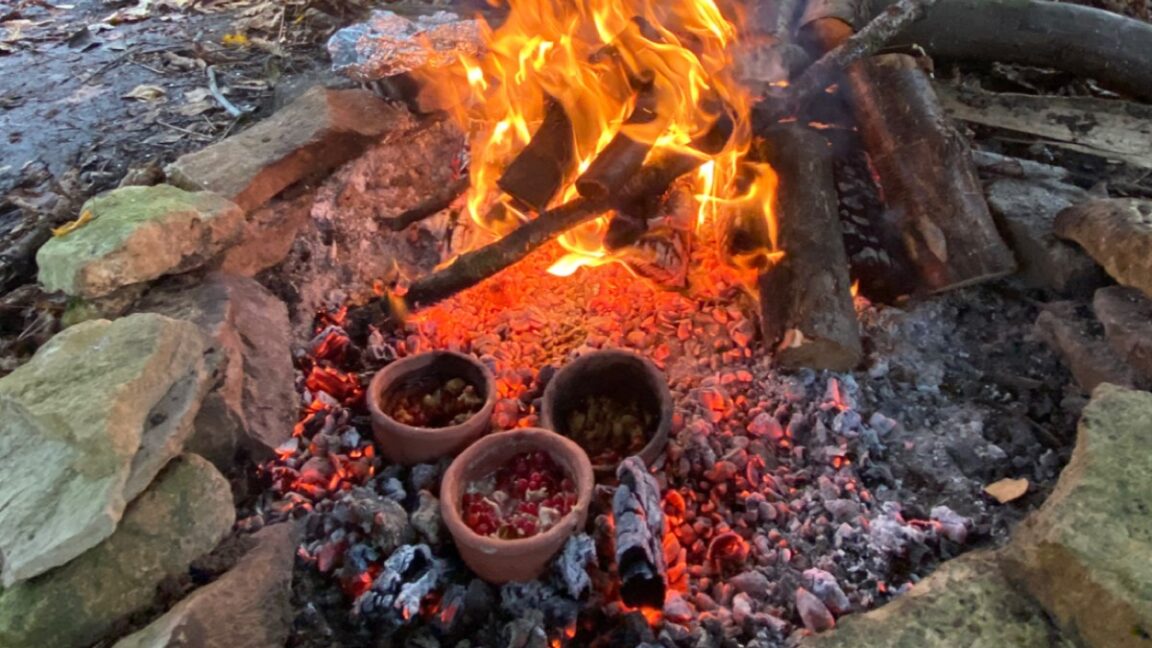
Archaeological Study Reveals Complex Plant-Based Diets of Prehistoric Europeans Through Pottery Residue Analysis
Archaeological research analyzing pottery residues from prehistoric European sites reveals complex plant-based diets and cooking practices.
 arstechnica.com·3mo ago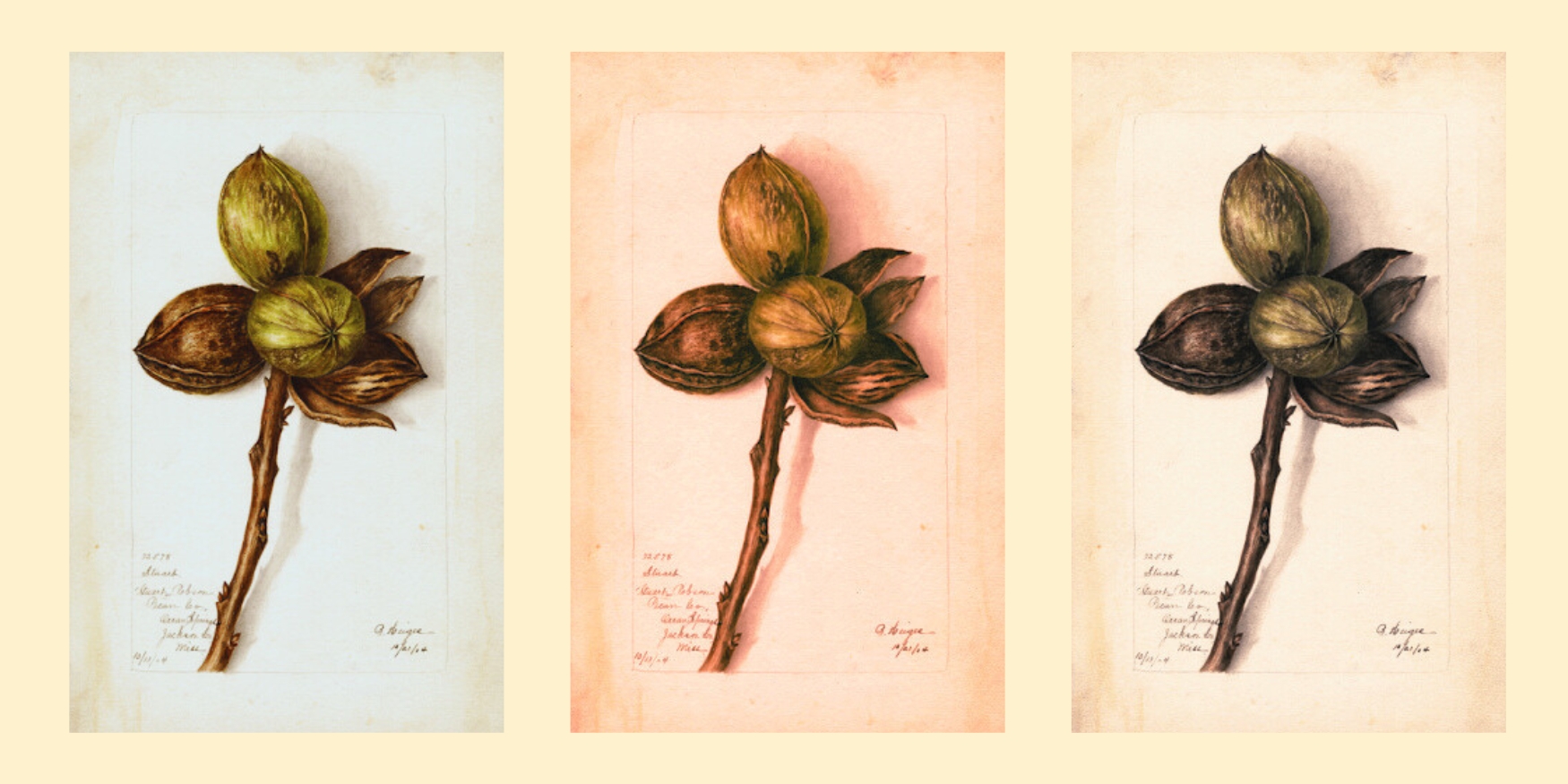
How an Enslaved Gardener's Grafting Technique Created the Commercial Pecan Industry
The article explores the history of the pecan industry in the United States, focusing on how an enslaved gardener named Antoine developed a
 lithub.com·3mo ago
Ancient Foods Still Eaten Today: Exploring 100-Million-Year-Old Edibles
The article explores ancient foods that have survived for millions of years and are still consumed today, inspired by the Ginkgo biloba tree
Examining the Ambiguous Historical Origins of Aspirin and Willow Bark Remedies
This article explores the uncertain historical origins of aspirin, examining the folklore and myths surrounding willow bark's medicinal use
 press.asimov.com·6mo ago