
























Historical Accounts of Korea's Abundant Food Culture Through the Centuries
Scholars, writers, and missionaries all exclaimed over how much food was available.
Read the full articleYou might also wanna read


North Korea’s new appetite for beef reveals shifts in prosperity and status
For decades, beef occupied a strange place in North Korean food culture: celebrated in state propaganda as part of the country’s proud culin

The Confucianism of the 'ajumma'
I have been a student of Korean politics, society, and culture for about 30 years. That is a long time — but nothing compared to the task. O

Agriculture minister taps Mongolia's appetite for K-food
Agriculture Minister Song Mi-ryung traveled to Ulaanbaatar, Mongolia, this week as South Korea seeks to tap rising demand for Korean food in

B'luru readers on how East Asian novels are leveraging food as a profound driving force
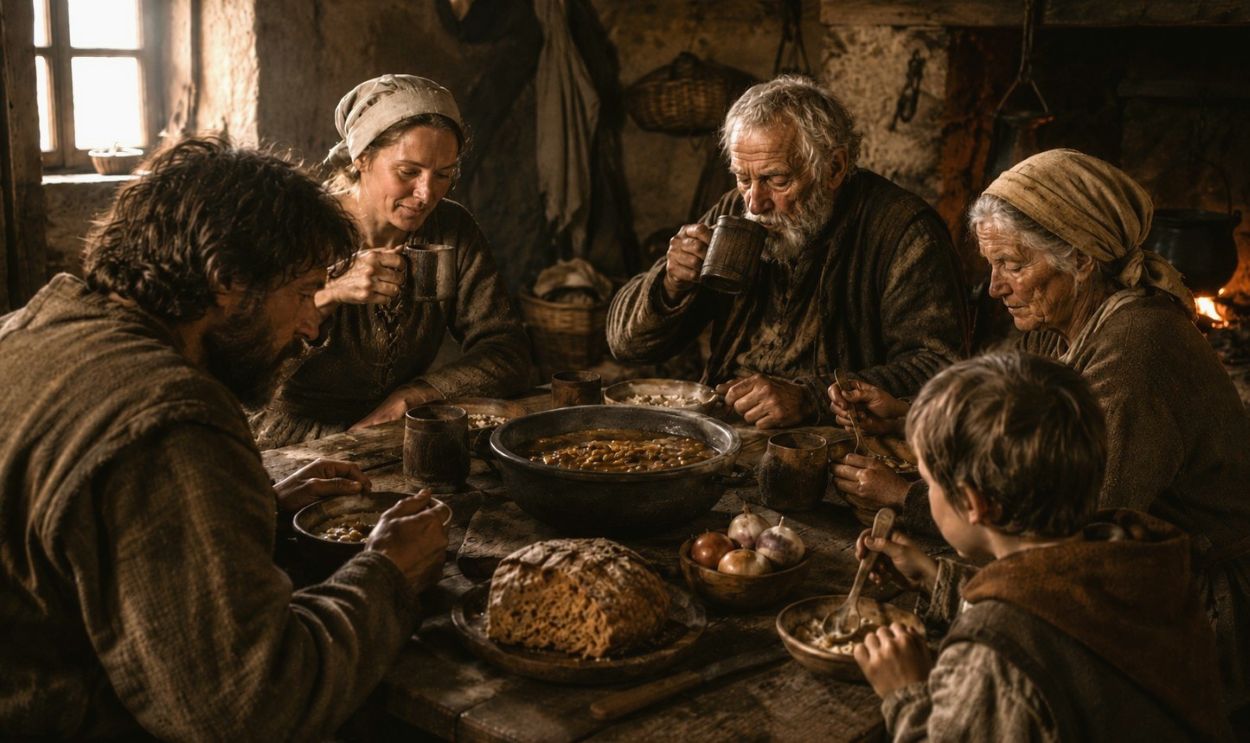
The Diet of Medieval Peasants and Serfs: Bread, Pottage, and the Threat of Famine
Explore how medieval peasants and serfs ate through bread, pottage, ale, pulses, dairy, fasting, famine, labor, and seasonal survival.
 brewminate.com·1mo ago
The History of Eating Utensils: From Hands to Knives, Spoons, and Forks
*This post contains affiliate links. As an Amazon Associate, I may earn a commission at no cost to you. Learn more.* Overview It’s 500 BCE,
 foodculturebites.com·29d ago
Comments
Sign in to join the conversation.
No comments yet. Be the first.