
























Terzan 5 star cluster may be a fossil relic from the Milky Way's formation
By
Keith Cooper
Summary
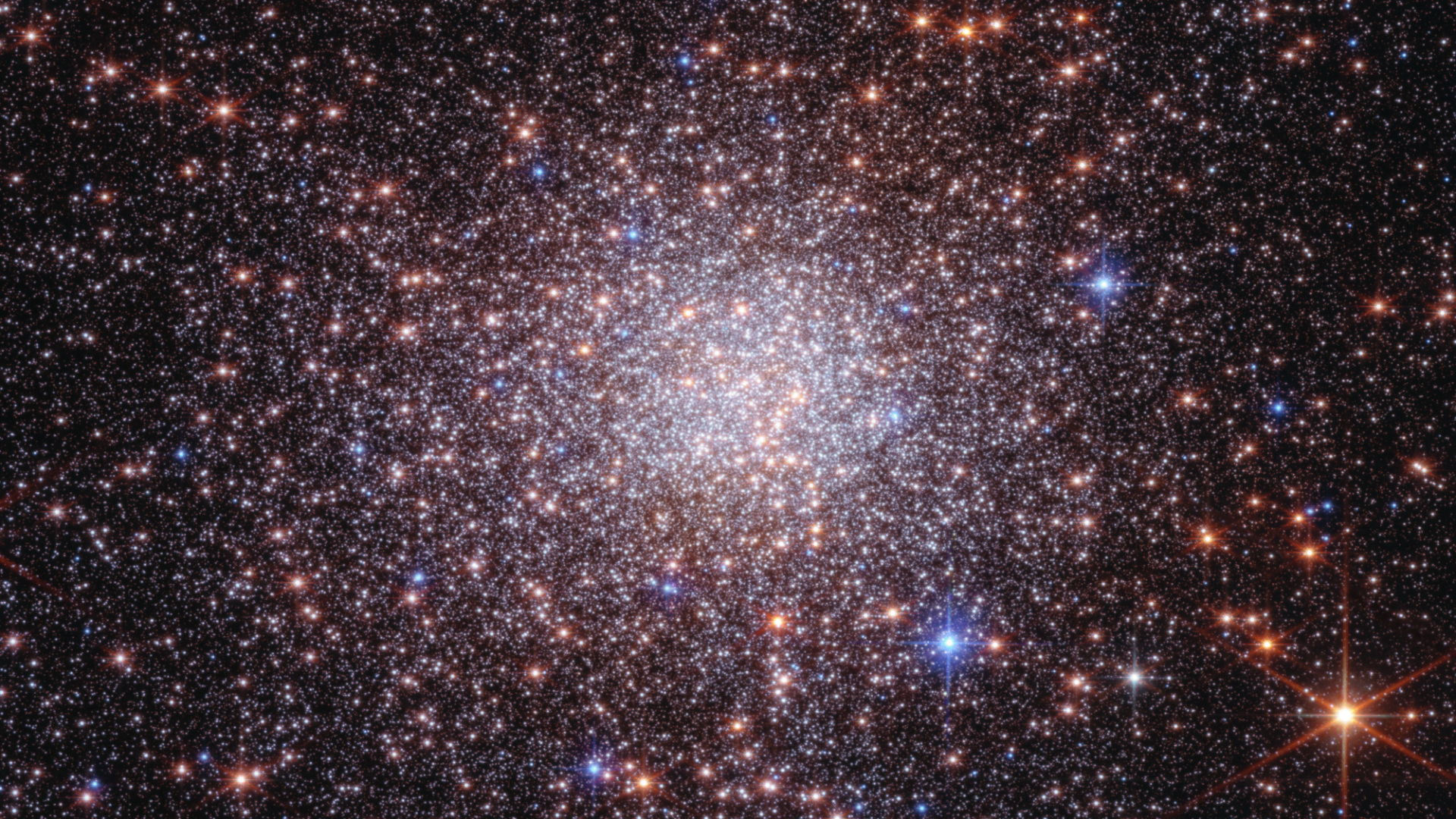
Terzan 5, a massive globular cluster of stars, may be a fossil fragment leftover from the formation of the Milky Way's bulge. Unlike most globular clusters which contain only one generation of stars, Terzan 5 contains four distinct generations of stars, suggesting it is a surviving relic from the early formation of our galaxy. This discovery provides direct evidence that could help explain how galactic bulges form.
Source
 Twitter / XTerzan 5 star cluster may be a fossil relic from the Milky Way's formationspace.com
Key quotes
· 3 pulledTerzan 5 may provide direct evidence that can help explain how bulges form
Terzan 5 could be a clump of our galaxy's central bulge that hasn't been smoothed out into the mix, and has instead survived as a fossil relic leftover from the birth of the Milky Way galaxy.
Four generations of stars have been identified in Terzan 5, as opposed to just one generation in most globular clusters.
You might also wanna read

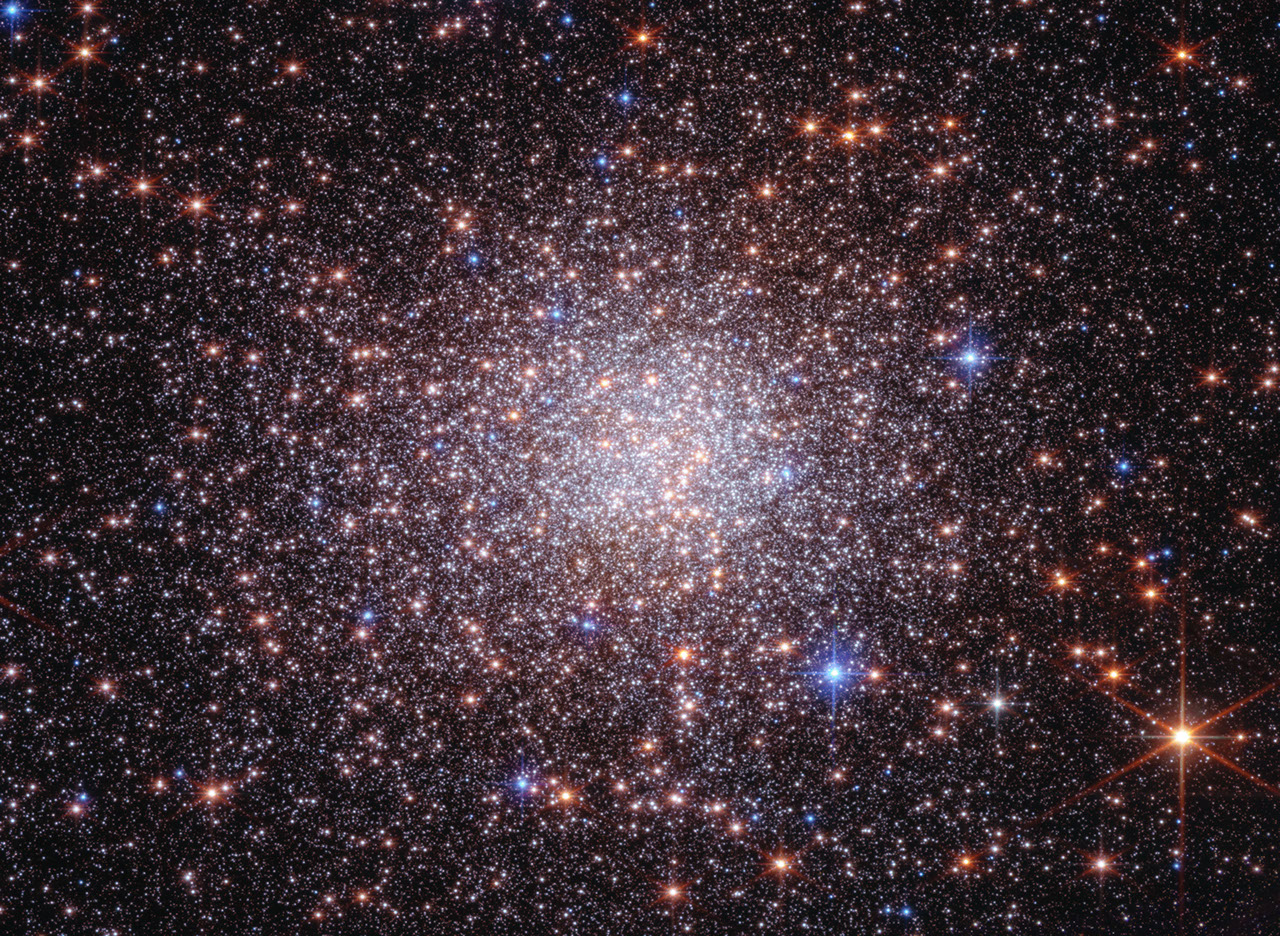
NASA's Webb and Hubble Telescopes Reveal Terzan 5 Is Not a Globular Cluster, Offering New Galaxy Formation Insights
Researchers using NASA's James Webb and Hubble Space Telescopes have reclassified Terzan 5, previously thought to be a globular star cluster
 science.nasa.gov·6d ago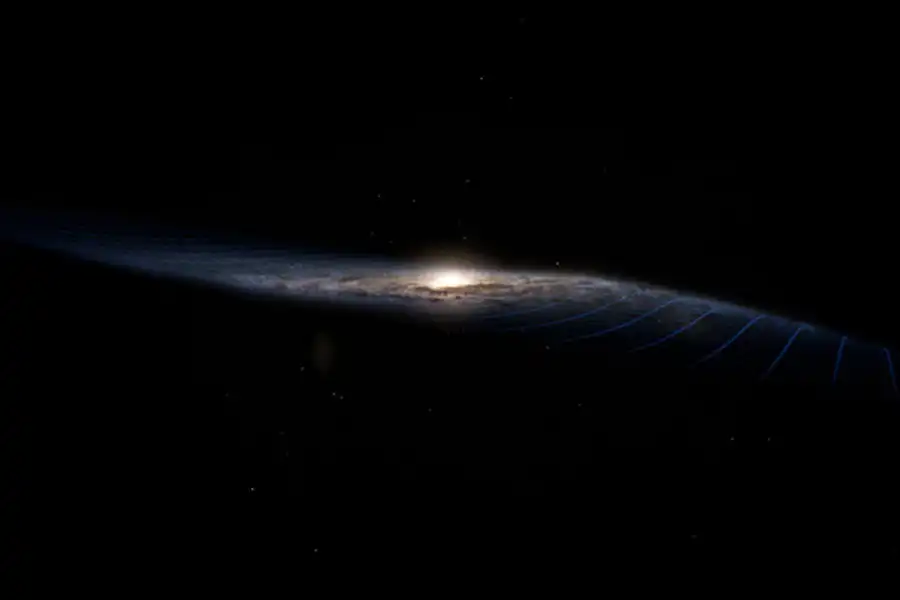
Astronomers Pinpoint Edge of Milky Way's Star-Forming Disk at 40,000 Light-Years
Astronomers have identified the edge of the Milky Way's star-forming disk for the first time, determining that star formation is concentrate
 skyandtelescope.org·2mo ago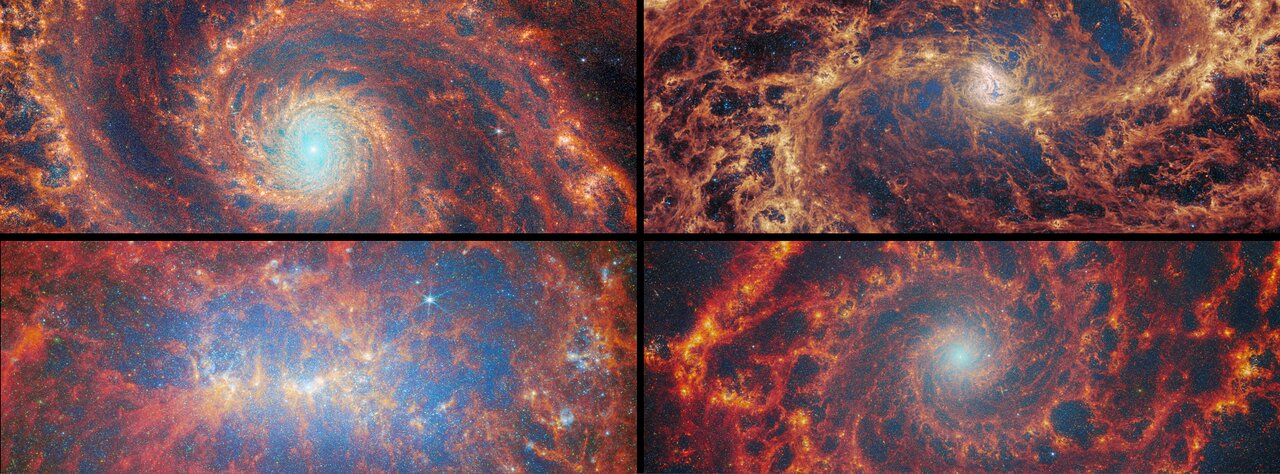
JWST survey reveals how massive stars rapidly clear their birth cocoons in nearby galaxies
A survey of four nearby galaxies using the James Webb Space Telescope reveals how massive stars clear away their surrounding gas and dust co
 badastronomy.beehiiv.com·23d ago
Astronomers observe young galaxy blowing away star-forming gas, explaining early 'dead' galaxies found by JWST
Astronomers have observed a young galaxy system called CRISTAL-02 that appears to be blowing away the cold gas needed for star formation, pr
 astronomynow.com·13d ago
JWST observes normal AGB stars at Cosmic Noon through 5000x gravitational lensing
This article discusses a scientific study where researchers used the James Webb Space Telescope (JWST) to observe a galaxy magnified 5000 ti
 astrobites.org·28d ago
Euclid telescope captures detailed image of globular cluster NGC 6397 revealing brightness gap
The article discusses the Euclid space telescope's image of globular cluster NGC 6397, highlighting a brightness "gap" feature observed in t
 stsci.edu·21d ago
Comments
Sign in to join the conversation.
No comments yet. Be the first.