
























Astronomers Pinpoint Edge of Milky Way's Star-Forming Disk at 40,000 Light-Years
Astronomers have located the edge of the Milky Way’s star-forming disk, showing that it extends 40,000 light-years out from the center.
Read the full articleYou might also wanna read

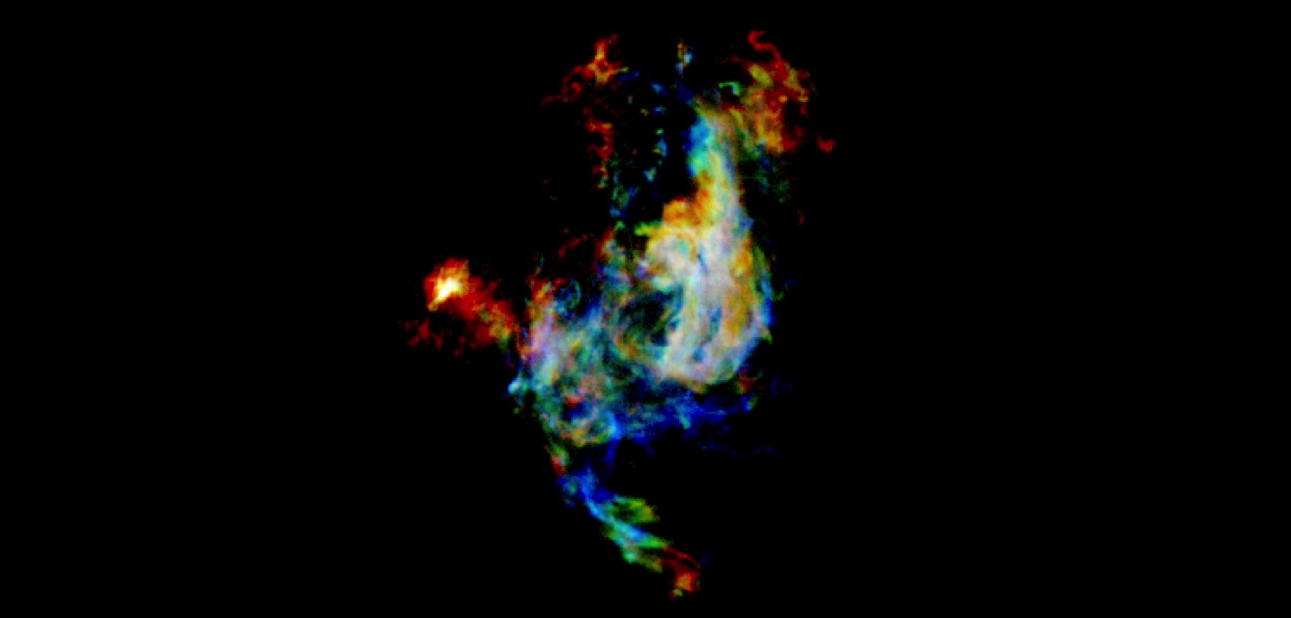
Spiral-Shaped Molecular Cloud Discovered 5,400 Light-Years Away in the Milky Way
A newly discovered molecular cloud in the Milky Way displays a surprising spiral structure.
 AAS Nova·24d ago
Spiral-Shaped Molecular Cloud Discovered 5,400 Light-Years Away in the Milky Way
A newly discovered molecular cloud in the Milky Way displays a surprising spiral structure.
aasnova.org·24d agoSpiral arms and bars are galactic fuel pumps for star formation
Peak star formation took place during cosmic noon, between 2–3 billion years after the Big Bang. The star formation rate (SFR) back then was
Spiral arms and bars are galactic fuel pumps for star formation
Peak star formation took place during cosmic noon, between 2–3 billion years after the Big Bang. The star formation rate (SFR) back then was

Astronomers believe the Milky Way may contain billions, perhaps even trillions, of rogue planets drifting without close stars — and a 2026 study found one 9,800 light-years away that was likely born in a planetary system before being thrown into the dark
It began as a two-day flicker. On 3 May 2024, a distant star in the direction of the galactic bulge brightened and faded, an event catalogue
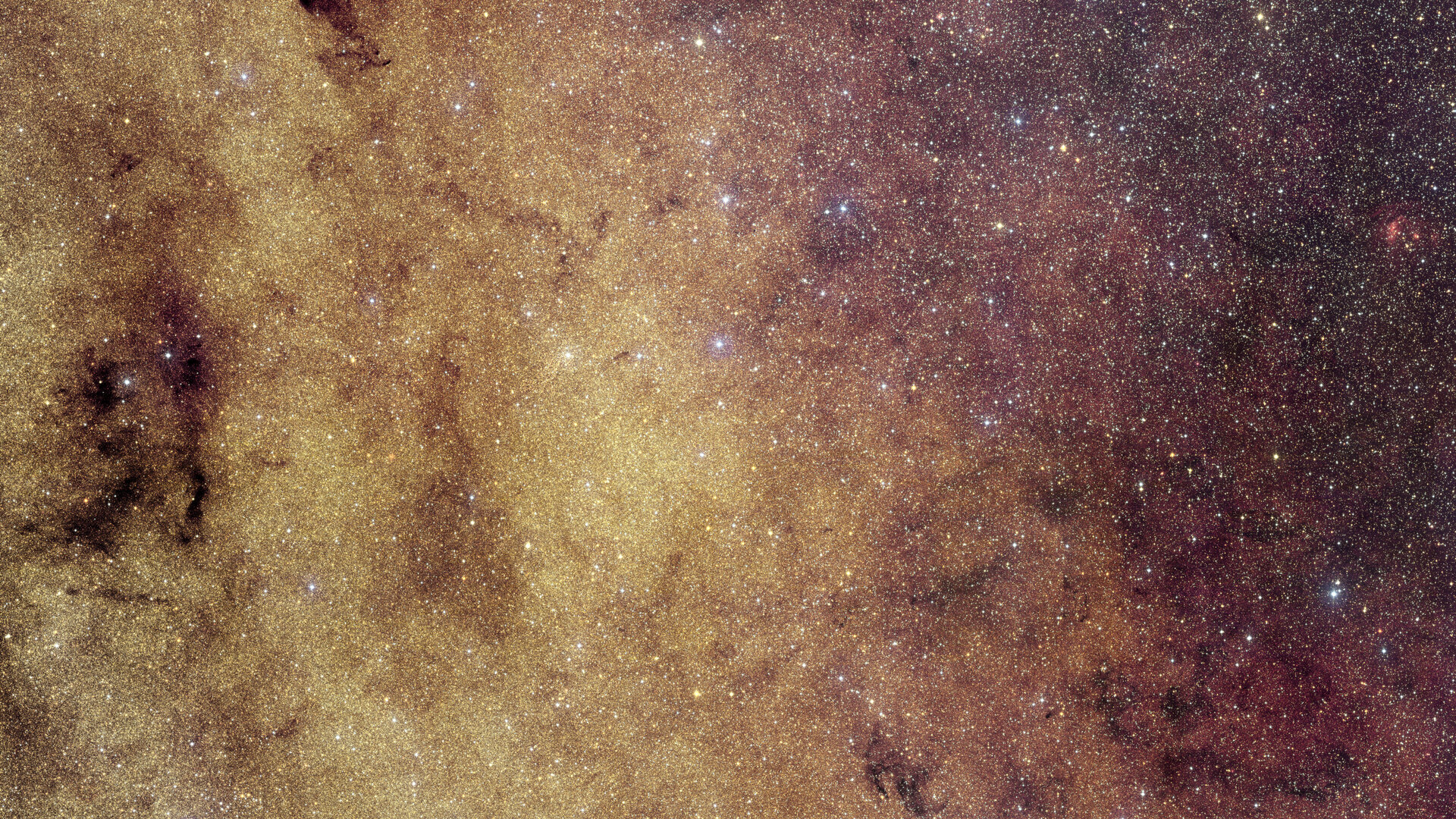
ESA's Euclid telescope captures detailed mosaic of the Milky Way's galactic bulge
24/06/2026 54227 views 114 likes
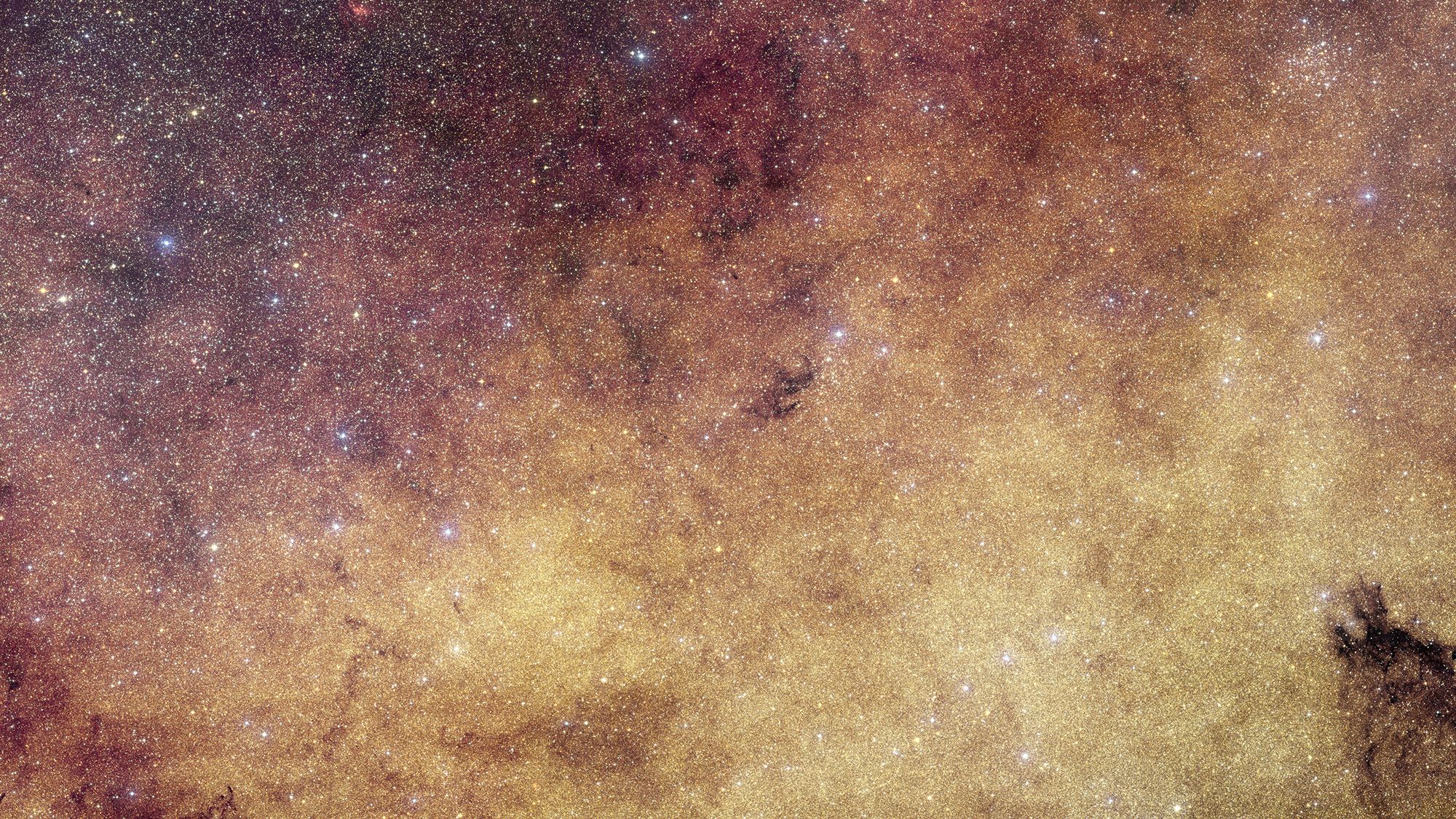
Euclid space telescope captures detailed image of Milky Way's center revealing 60 million stars
Planet hunters and stargazers will both benefit from the new image, which was released after 26 hours of deep-space observations.
 livescience.com·18d ago
Comments
Sign in to join the conversation.
No comments yet. Be the first.