





















Stanford study finds treatment that regrows knee cartilage and reverses arthritis in mice

Crisped on the outside, thoughtful enough on the inside.
Summary
Stanford Medicine researchers have discovered that blocking a protein linked to aging can restore lost knee cartilage in older mice and prevent arthritis after joint injuries. Human cartilage samples from knee replacement surgeries also showed signs of regeneration when exposed to the treatment. The findings suggest that a future injection or oral medication could potentially repair damaged joints instead of requiring replacement surgery, offering hope for treating osteoarthritis and age-related cartilage loss.
Key quotes
· 3 pulledA treatment that targets a protein linked to aging has restored lost knee cartilage in older mice and prevented arthritis from developing after serious joint injuries, according to a Stanford Medicine-led study.
Samples collected during knee replacement surgeries began producing new, functional cartilage when exposed to the treatment.
The findings raise the possibility that damaged cartilage caused by aging or osteoarthritis could one day be repaired with either a local injection or an oral medication.
You might also wanna read

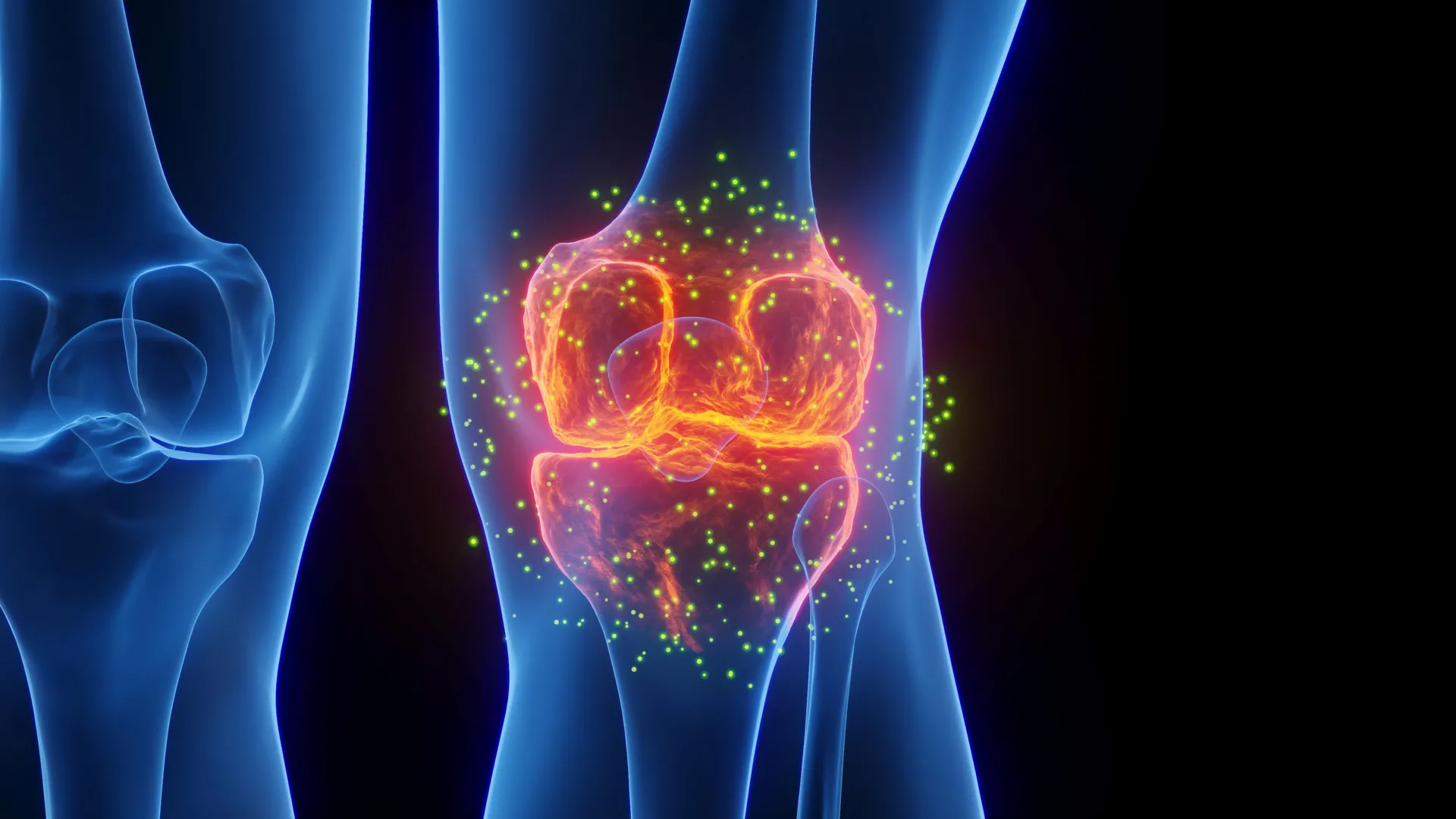
Stanford Study: Blocking Aging Protein Reverses Cartilage Loss and Prevents Arthritis
Stanford Medicine researchers have discovered that blocking a protein linked to aging can reverse cartilage loss in aging joints and prevent
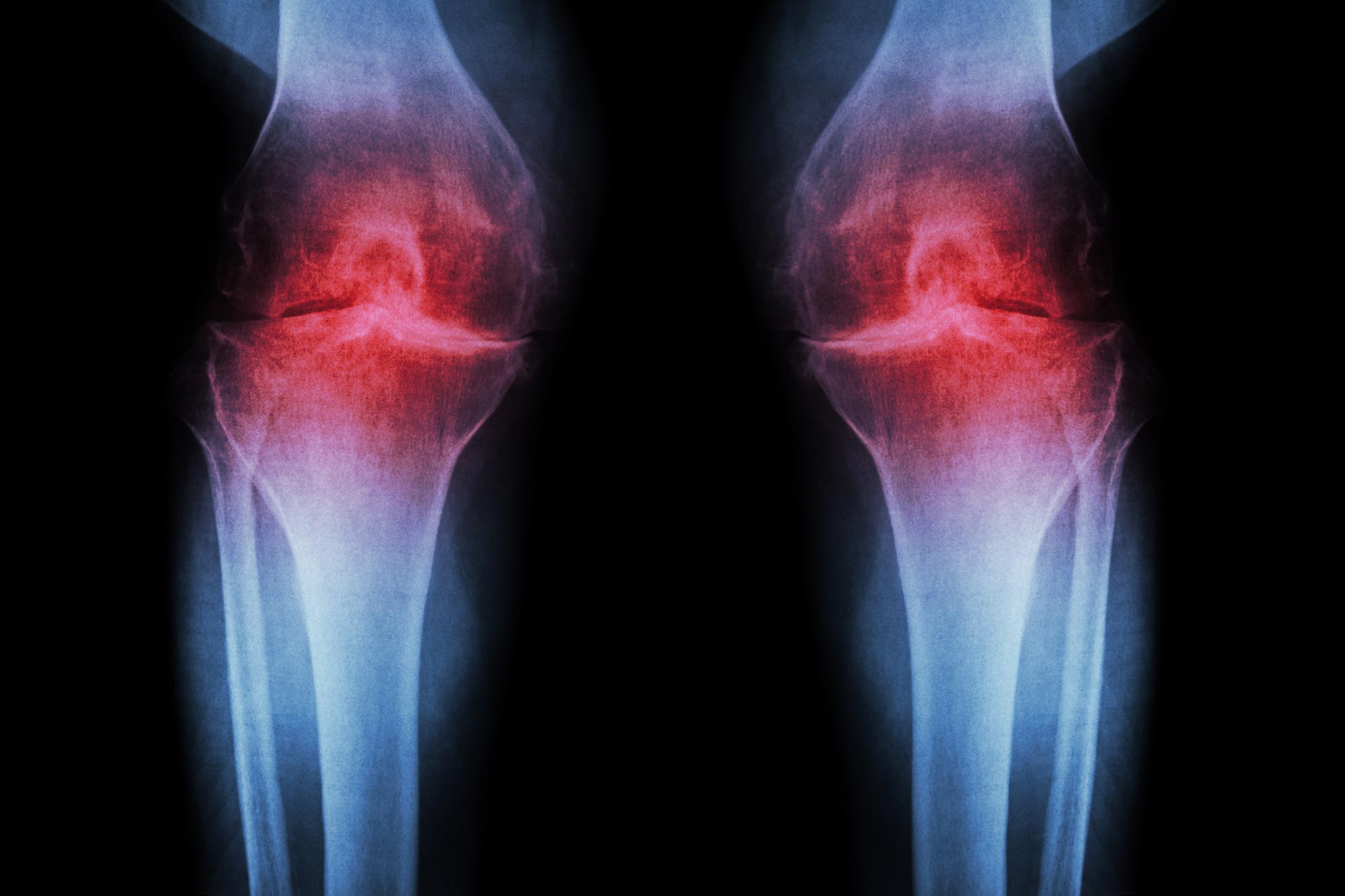
Stanford Researchers Develop Injection That Regenerates Knee Cartilage and Prevents Arthritis
Stanford Medicine researchers have developed an anti-aging injection that regenerates knee cartilage and prevents arthritis by blocking an a

Semaglutide Shows Chondroprotective Effects in Osteoarthritis Through Weight Loss-Independent Metabolic Mechanism
This research article demonstrates that semaglutide, a GLP-1 receptor agonist, provides chondroprotective effects in osteoarthritis mouse mo

Alzheimer's Treatment Clears Brain Plaques in Mice Within Hours
Scientists have developed a treatment that repairs the brain's natural gateway system in mice with Alzheimer's-like conditions, allowing amy
 sciencealert.com·8mo ago
Stanford Study: Restoring Gut-Brain Communication Reverses Cognitive Decline in Aging Mice
Stanford Medicine researchers discovered that aging-related changes in gut bacteria composition trigger an inflammatory response that impair
 med.stanford.edu·3mo ago
Bioactive Nanoparticles Reverse Alzheimer's Disease in Mice by Clearing Amyloid-β Proteins
Researchers from the Institute for Bioengineering of Catalonia and West China Hospital Sichuan University have developed bioactive nanoparti
 drugtargetreview.com·8mo ago