





















Bioactive Nanoparticles Reverse Alzheimer's Disease in Mice by Clearing Amyloid-β Proteins
By
self_awareness

If you only eat one bagel today, this is the bagel.
Summary
Researchers from the Institute for Bioengineering of Catalonia and West China Hospital Sichuan University have developed bioactive nanoparticles that can reverse Alzheimer's disease in mice. The nanotechnology approach restores the blood-brain barrier and clears toxic amyloid-β proteins, representing a significant breakthrough in Alzheimer's treatment research. Unlike traditional nanomedicine that uses nanoparticles as carriers, this new strategy employs bioactive nanoparticles that actively participate in the therapeutic process.
Key quotes
· 4 pulledResearchers have developed bioactive nanoparticles that restore the brain's blood-brain barrier and clear toxic proteins, reversing Alzheimer's symptoms in mice
A new study by a research team co-led by the Institute for Bioengineering of Catalonia (IBEC) and West China Hospital Sichuan University (WCHSU)
Unlike traditional nanomedicine, which relies on nanoparticles as carriers for therapeutic molecules
offering a promising new approach to treating the disease
You might also wanna read

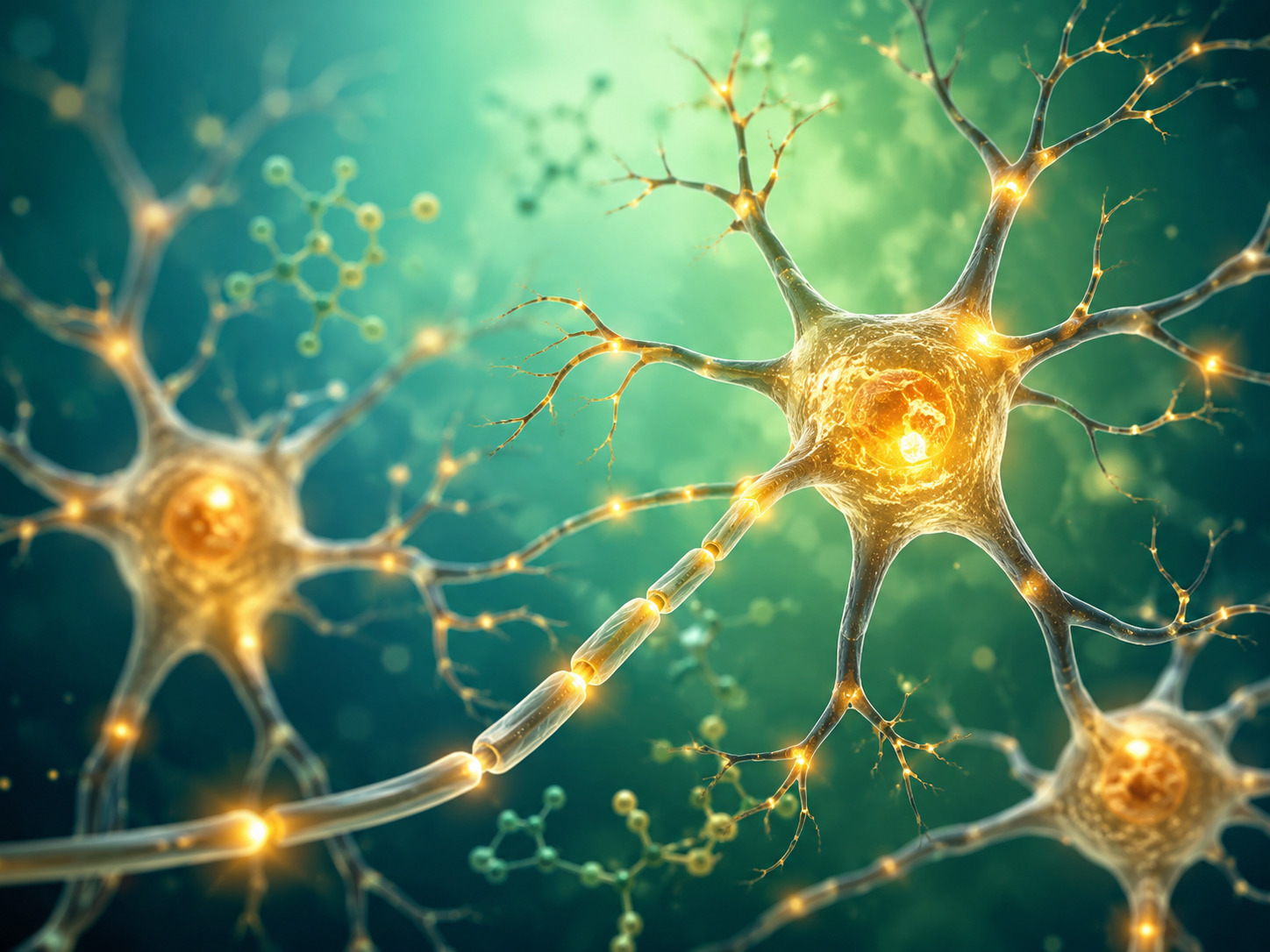
Japanese researchers develop vitamin K-like compounds that may help convert brain cells into neurons
Japanese researchers have developed a new family of vitamin K-like molecules that may help immature brain cells transition into neurons. Whi
 zmescience.com·1d ago
Gladstone Scientists Develop New Tool to Map Brain Waste Clearance Mechanisms
Gladstone scientists have developed a new tool to trace how the brain clears waste, revealing surprising new biology about the brain's self-
 gladstone.org·2d ago
Texas A&M researchers develop nasal spray that reverses brain aging in study
Researchers at Texas A&M University have developed a nasal spray that appears to reverse brain aging by reducing inflammation and restoring
Northwestern study identifies schizophrenia biomarker and potential drug candidate for cognitive symptoms
A Northwestern University study in humans and mice has identified a novel biomarker for schizophrenia that could also serve as a drug candid
 news.northwestern.edu·2mo ago
Salk Institute Study Finds Cannabinoids May Help Remove Alzheimer's-Related Proteins from Brain Cells
Salk Institute researchers have found preliminary evidence that THC and other cannabinoids can promote the cellular removal of amyloid beta
 salk.edu·2mo ago
Oxford Neuroscientists Discover Connection Between Tinnitus and Sleep in the Brain
Neuroscientists at the University of Oxford have discovered a previously overlooked connection between tinnitus and sleep in the brain. Thei
 sciencealert.com·2mo ago