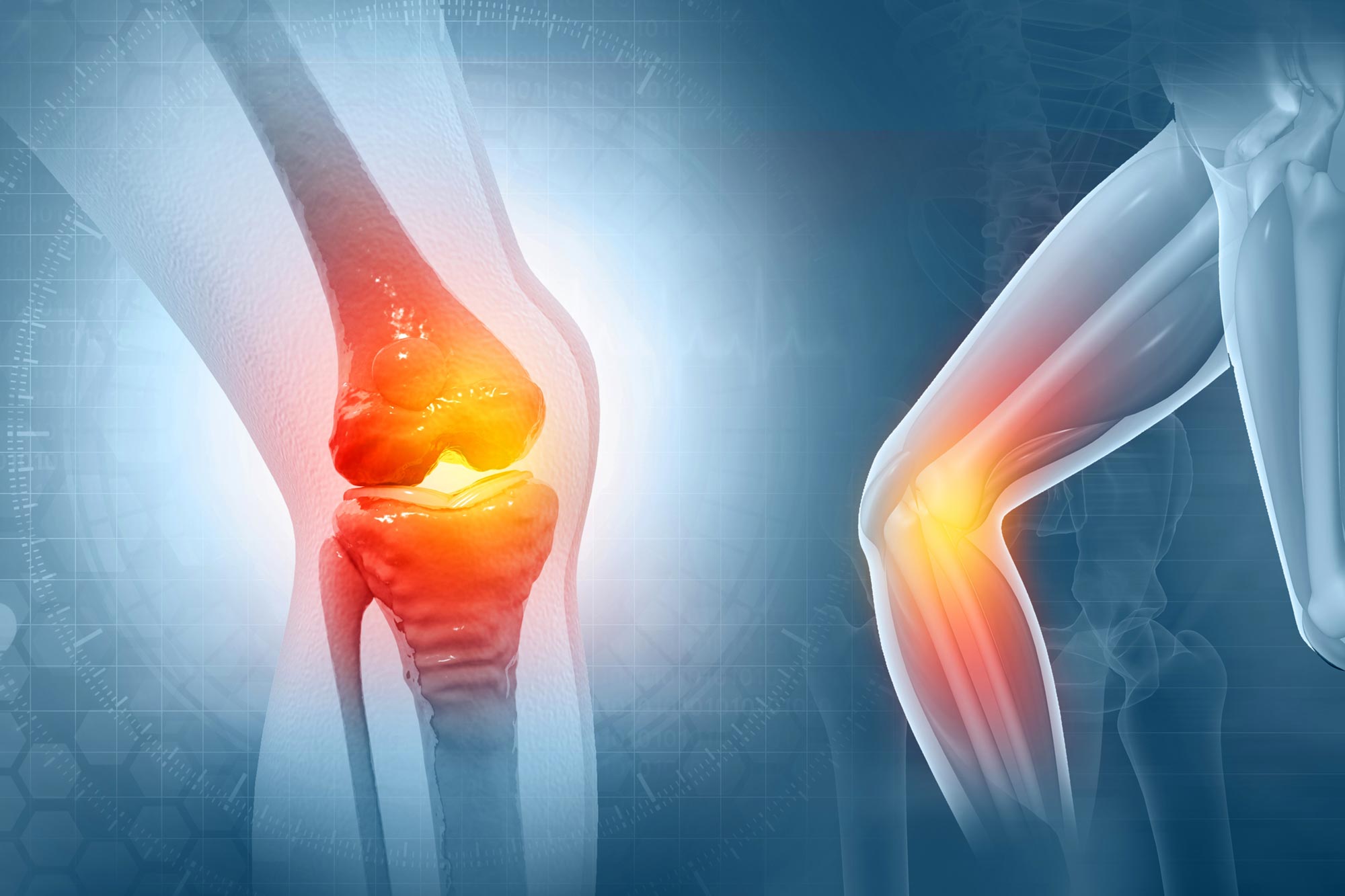
Stanford Study: Blocking Aging Protein Reverses Cartilage Loss and Prevents Arthritis
By
saikatsg
4mo ago· 8 min readenNews

75/100
Toasty
Bagelometer↗
Plain bagel done well. Pleasantly substantive.
Score75TypenewsSentimentpositive
Summary
Stanford Medicine researchers have discovered that blocking a protein linked to aging can reverse cartilage loss in aging joints and prevent arthritis after knee injuries. The treatment, tested on older mice and human cartilage samples from knee replacement surgeries, restored healthy cartilage and improved joint function. An oral version is already in clinical trials for age-related muscle weakness.
Key quotes
· 4 pulledA study led by Stanford Medicine researchers has found that an injection blocking a protein linked to aging can reverse the natural loss of knee cartilage in older mice.
The same treatment also stopped arthritis from developing after knee injuries that resemble ACL tears, which are common among athletes and recreational exercisers.
Researchers note that an oral version of the treatment is already being tested in clinical trials aimed at treating age-related muscle weakness.
Human cartilage samples taken from knee replacement surgeries also responded positively.
Scientists at Stanford Medicine have discovered a treatment that can reverse cartilage loss in aging joints and even prevent arthritis after knee injuries. By blocking a protein linked to aging, the therapy restored healthy, shock-absorbing cartilage in o