
























WMO report: South-West Pacific faces rising risks from ocean warming, marine heatwaves, and sea-level rise
Summary
The State of the Climate in the South-West Pacific 2025 report, released by the World Meteorological Organization (WMO), documents that the region experienced its second warmest year on record (behind 2024), with extreme weather causing widespread disruption, economic damage, and loss of life. The deadliest single event was Cyclone Senyar, the first known tropical cyclone in the Strait of Malacca, which impacted over 10 million people in Indonesia and Malaysia and killed more than 1,200. The report highlights that the remaining tropical ice cover in Papua, Indonesia, is now only about 2% of what was observed in 1988. Ocean warming, acidification, marine heatwaves, and sea-level rise are increasingly threatening marine ecosystems, local economies, and vulnerable coastal communities and low-lying island nations across the South-West Pacific.
Source

 Twitter / XWMO report: South-West Pacific faces rising risks from ocean warming, marine heatwaves, and sea-level risewmo.int
Key quotes
· 3 pulledThe vast ocean expanse in the South-West Pacific is becoming hotter and more acidic, harming local economies and marine ecosystems, whilst rising sea levels threaten vulnerable coastal communities and low-lying island nations.
The deadliest single event was Cyclone Senyar, the first known system to reach tropical cyclone intensity in the Strait of Malacca, which impacted more than 10 million people in Indonesia and Malaysia and killed more than 1 200.
In 2025, the remaining tropical ice cover in Papua, Indonesia, was estimated to be only about 2% of the ice area observed in 1988.
You might also wanna read


Southwest Pacific’s last tropical glacier could vanish within months

El Niño forecast to intensify, increasing likelihood of extreme weather
Massive Pacific marine heatwave to fuel extreme heat and strong storms
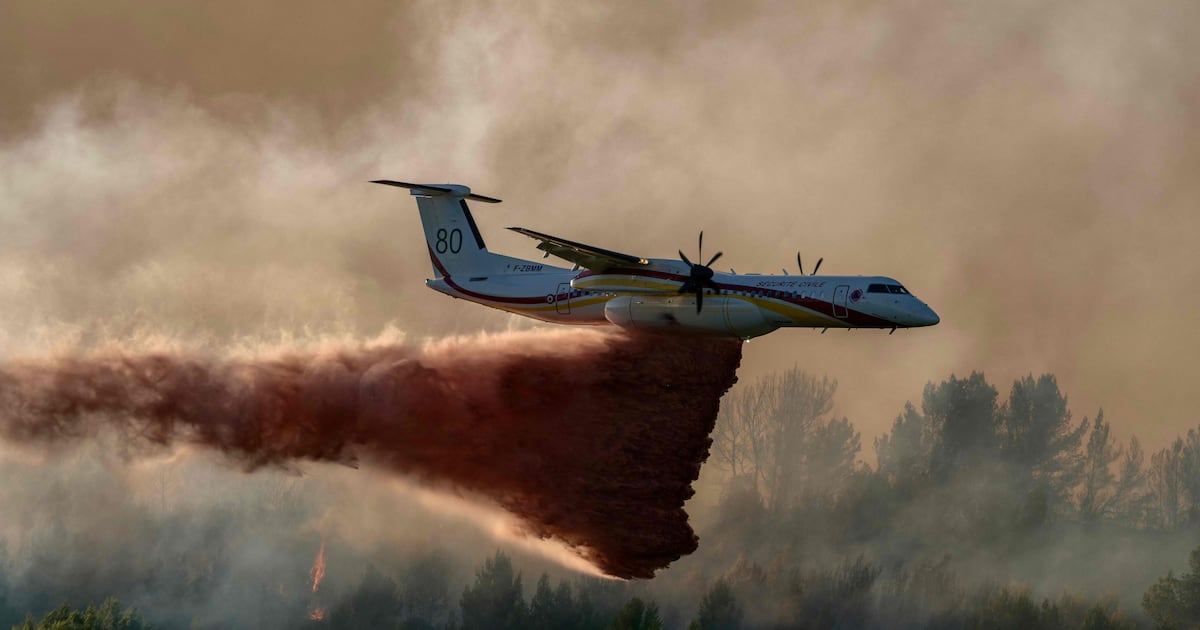
WMO warns strengthening El Nino will increase extreme weather events globally
The World Meteorological Organisation (WMO) warns that the El Nino weather system is forecast to intensify over the next three months, incre
 thenationalnews.com·4d ago
Fiebre oceánica: el Pacífico alcanza temperaturas récord y pone en alerta a científicos
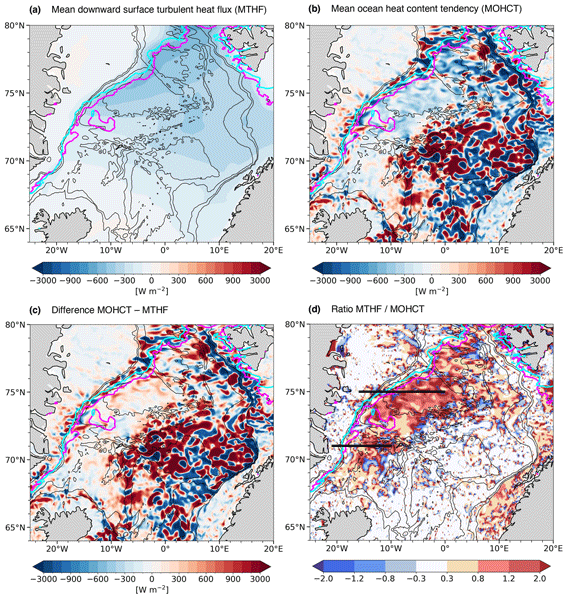
Ocean response to the February 2020 marine cold air outbreak in the Nordic Seas analyzed using GLORYS12 reanalysis
This scientific article investigates the ocean response to the intense marine cold air outbreak (MCAO) that occurred in the Nordic Seas from
 os.copernicus.org·1mo ago
Comments
Sign in to join the conversation.
No comments yet. Be the first.