
























Euclid telescope captures record image of Milky Way center to support NASA's Roman mission
By
Martijn Luinstra
Summary
ESA's Euclid space telescope has captured the largest and most detailed image of the Milky Way's galactic bulge, containing over 60 million stars. The observation was conducted outside Euclid's regular survey to support NASA's upcoming Nancy Grace Roman Space Telescope's exoplanet studies. The Roman telescope has arrived at Kennedy Space Center for launch preparations aboard a SpaceX Falcon Heavy rocket.
Source
 Twitter / XEuclid telescope captures record image of Milky Way center to support NASA's Roman missionnasaspaceflight.com
Key quotes
· 3 pulledThe picture, taken by ESA's Euclid space telescope, represents the largest and most detailed photo of this region to date.
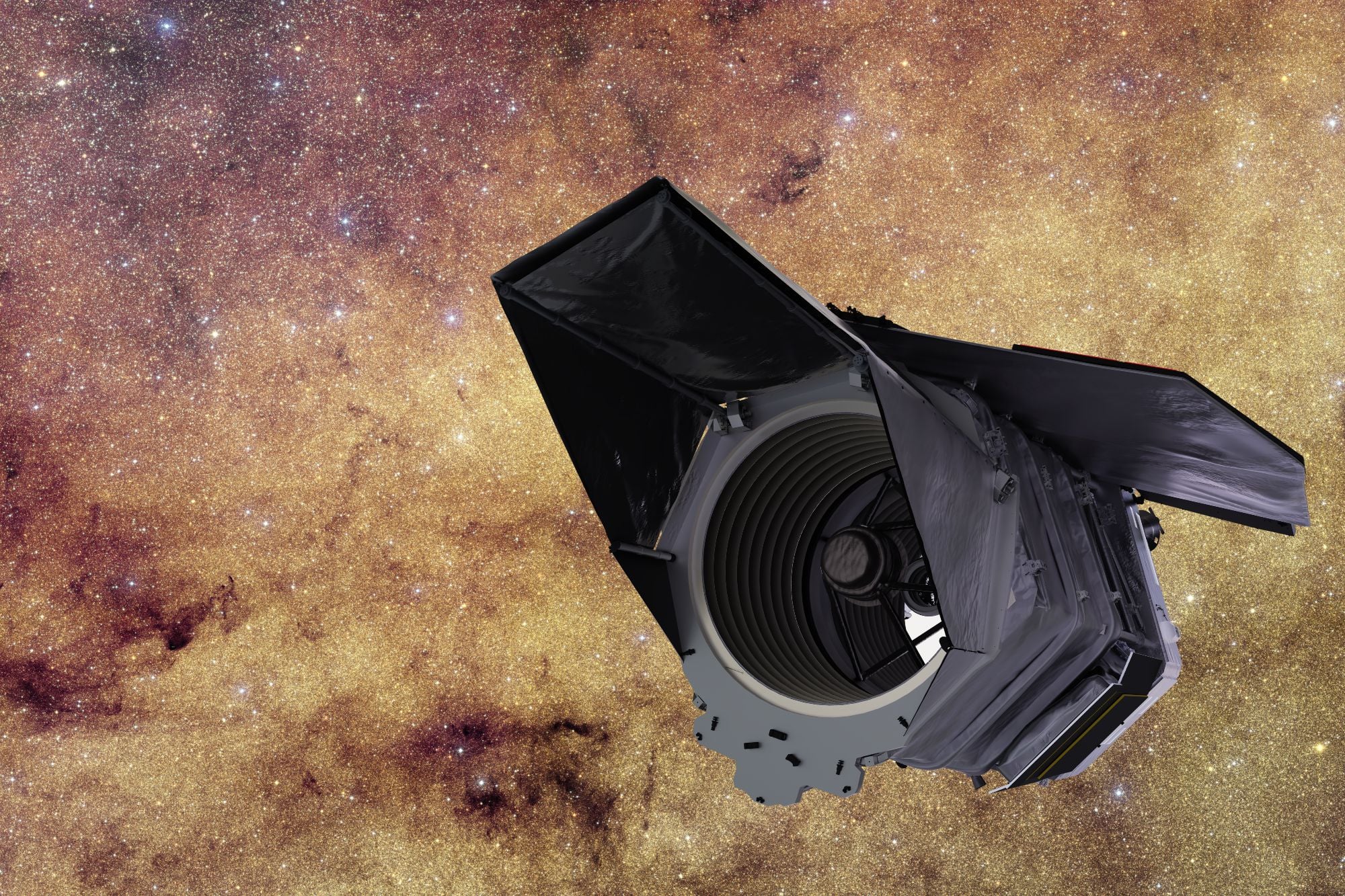
Euclid observed the area outside of its regular survey in support of NASA's upcoming Nancy Grace Roman Space Telescope's exoplanet study.
Roman arrived at NASA's Kennedy Space Center (KSC) in Florida, where technicians will prepare it for its launch atop a SpaceX Falcon Heavy.
You might also wanna read

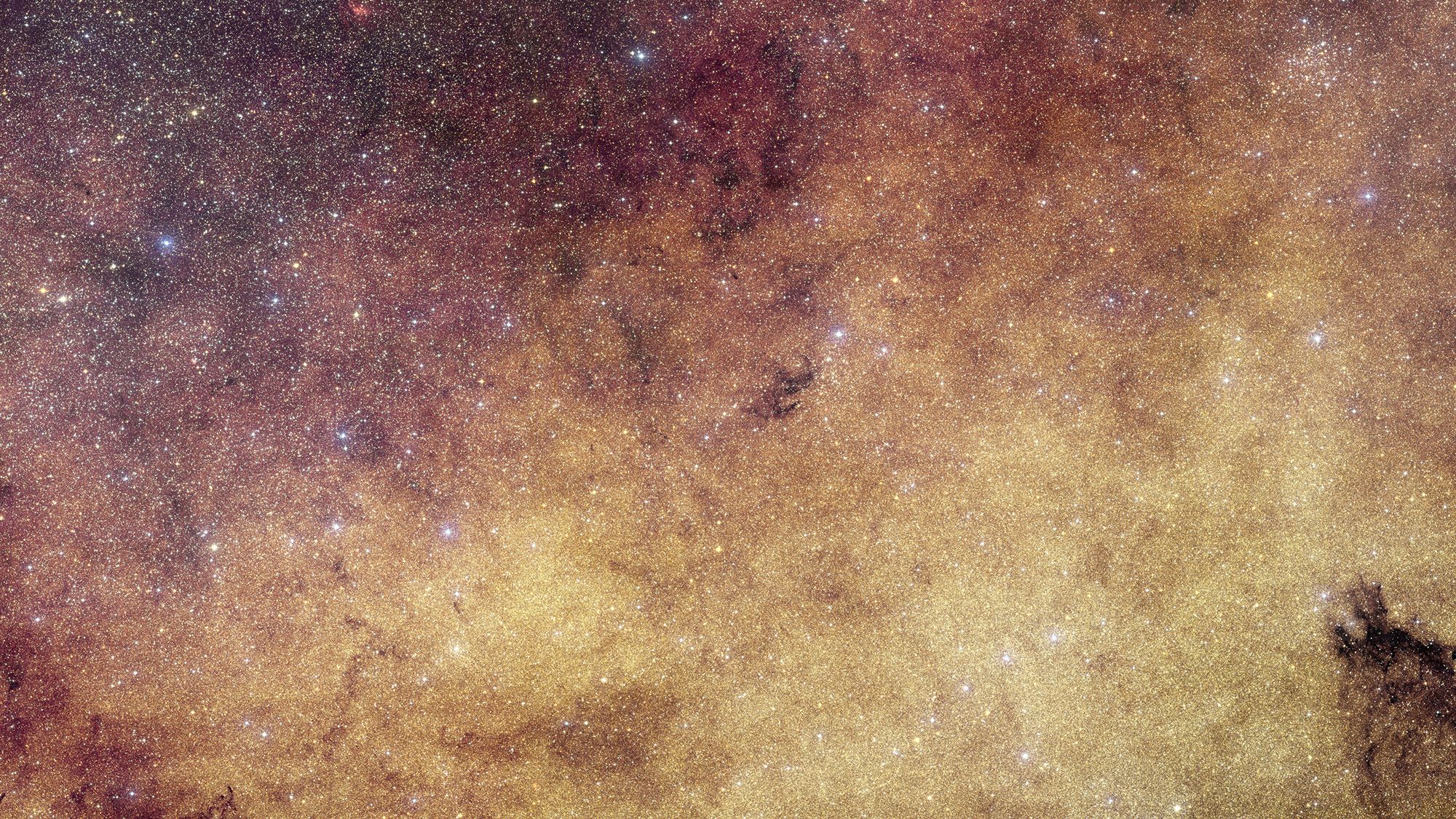
Euclid space telescope captures detailed image of Milky Way's center revealing 60 million stars
The Euclid space telescope has captured an extraordinarily detailed image of the Milky Way's center, revealing over 60 million stars. The Eu
 livescience.com·21h ago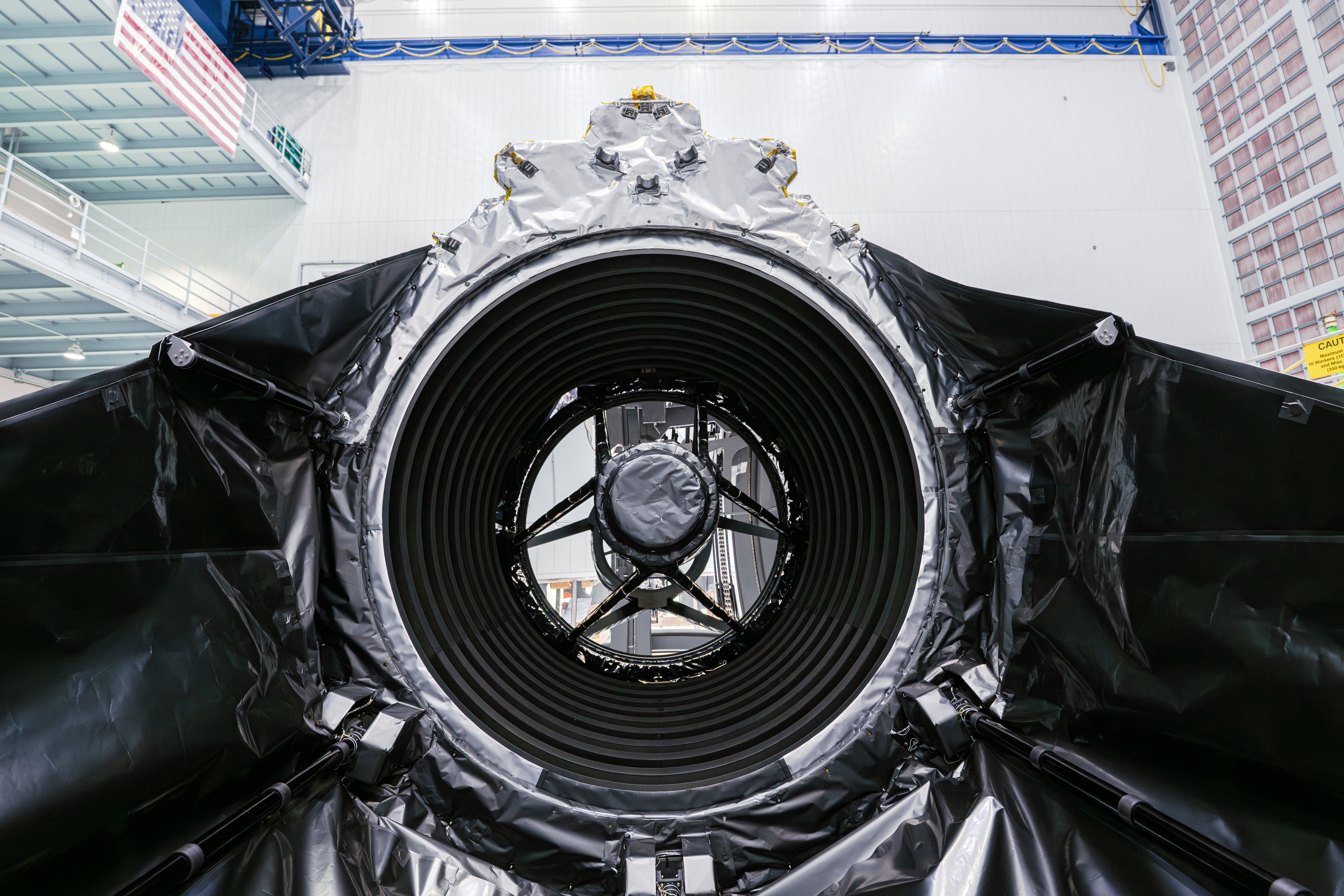
NASA Completes Final Inspection of Roman Space Telescope's Primary Mirror
Engineers at NASA's Goddard Space Flight Center completed final inspection of the 7.9-foot (2.4-meter) primary mirror for the Nancy Grace Ro
 nasa.gov·1mo ago
Cosmographic mapping of the Sloan Great Wall reveals the largest known basin of attraction
This paper presents a cosmographic analysis of the Sloan Great Wall using Hamiltonian Monte Carlo forward reconstruction within a ΛCDM frame
 arxiv.org·24d ago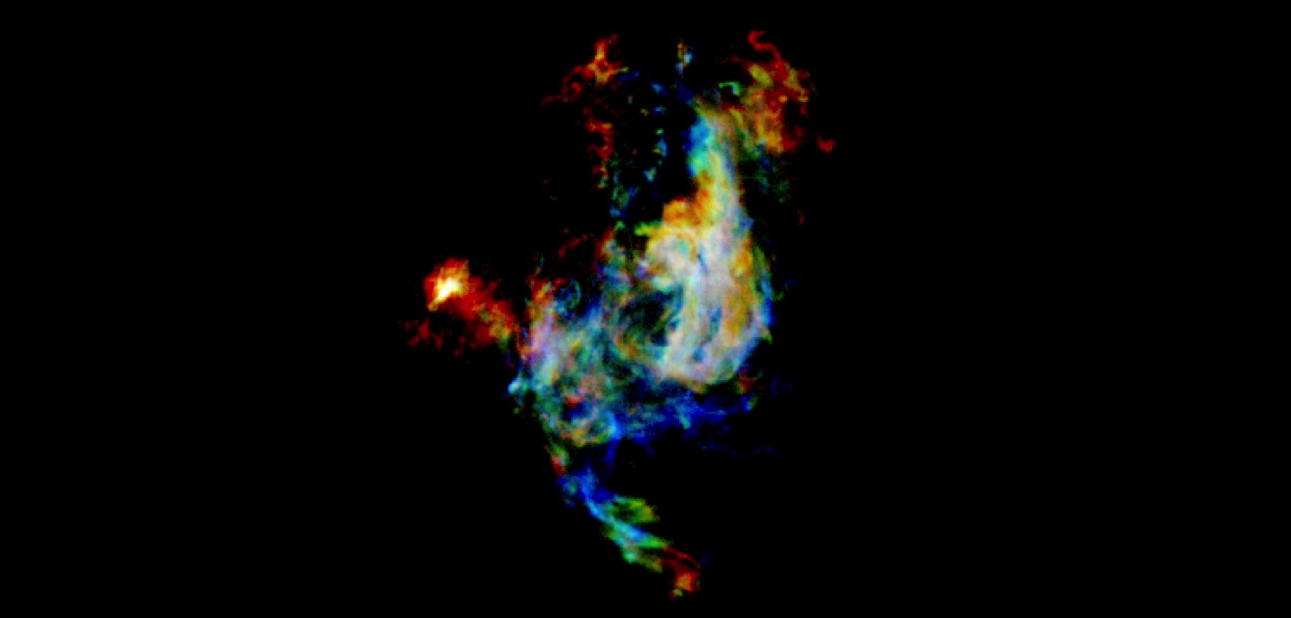
Spiral-Shaped Molecular Cloud Discovered 5,400 Light-Years Away in the Milky Way
A newly discovered molecular cloud in the Milky Way, found through the Milky Way Imaging Scroll Painting project, displays a surprising spir
 aasnova.org·6d ago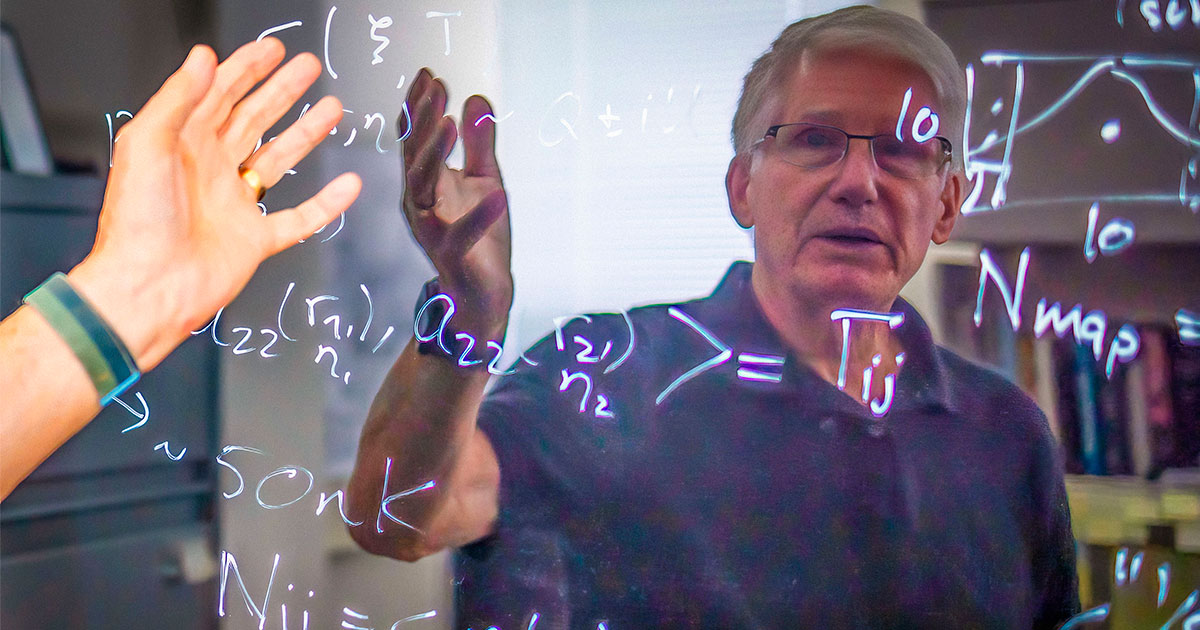
Vera C. Rubin Observatory's 3.2-Billion-Pixel Camera Captures First Image of 10 Million Galaxies
Tony Tyson, a cosmologist, unveils the first image from the Vera C. Rubin Observatory's 3.2-billion-pixel digital camera — the largest ever
 quantamagazine.org·11mo ago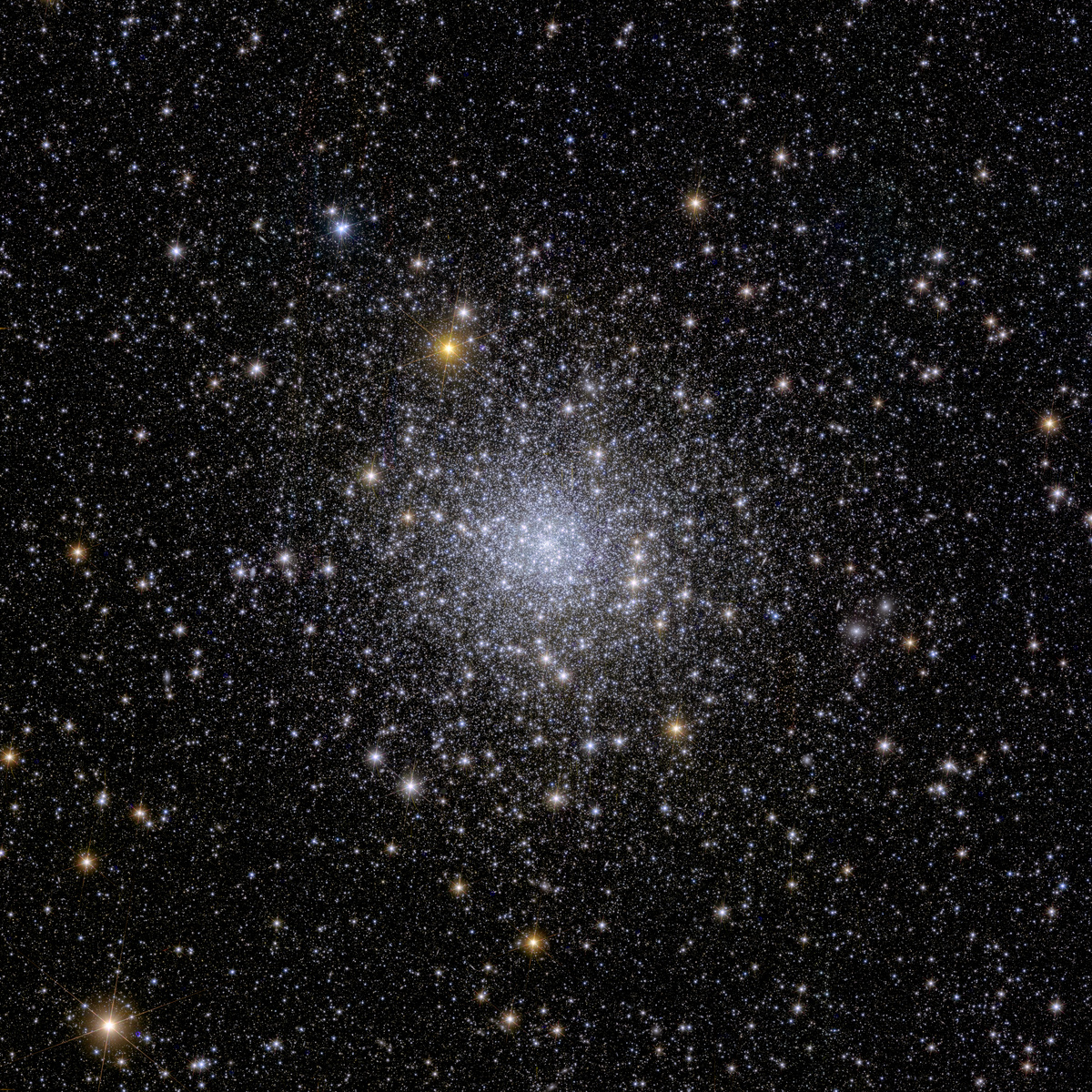
Euclid telescope captures detailed image of globular cluster NGC 6397 revealing brightness gap
The article discusses the Euclid space telescope's image of globular cluster NGC 6397, highlighting a brightness "gap" feature observed in t
 stsci.edu·25d ago
Comments
Sign in to join the conversation.
No comments yet. Be the first.