
























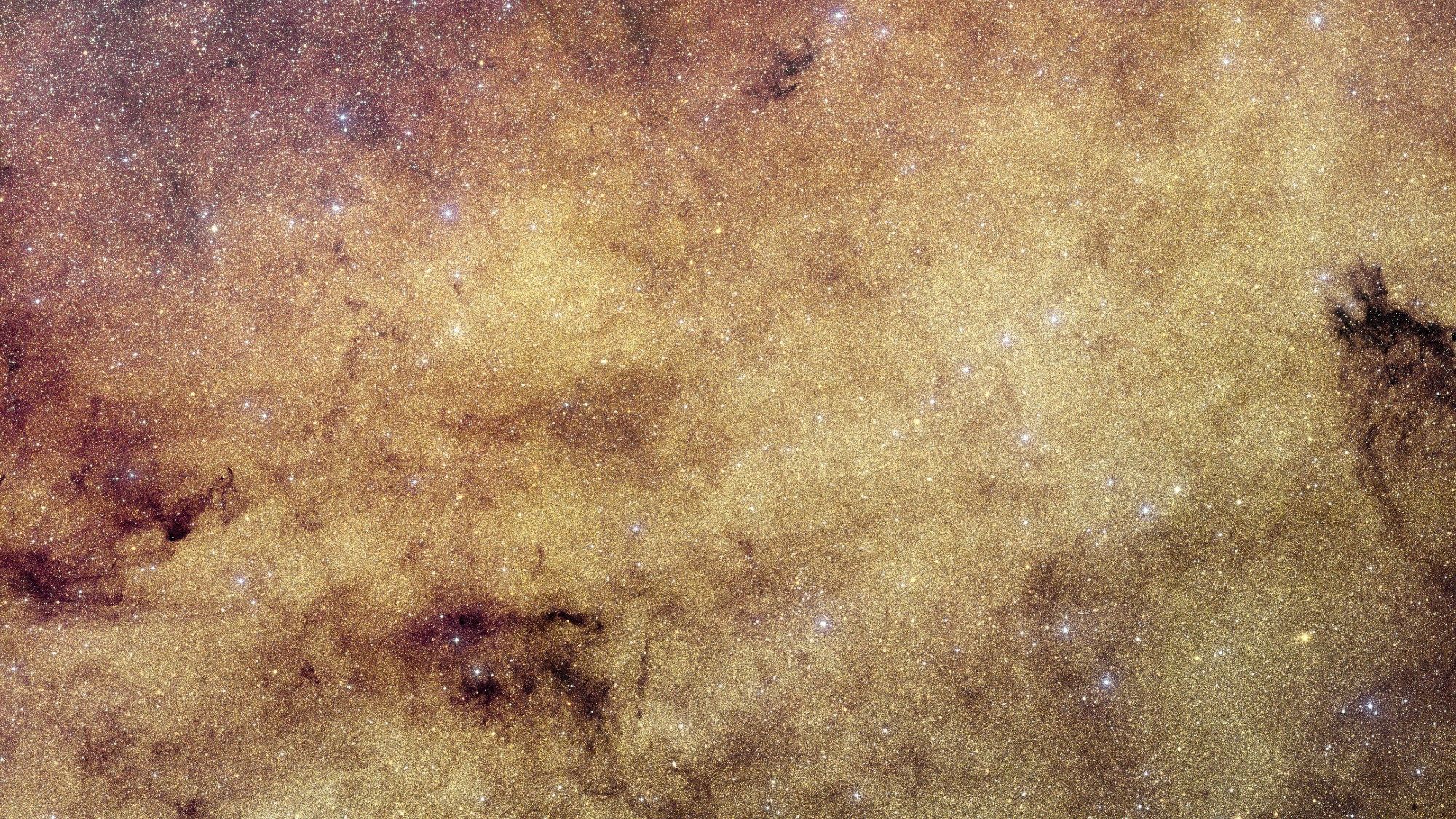
ESA's Euclid telescope captures largest, most detailed visible-light image of Milky Way's center with over 60 million stars
By
Robert Lea
Summary
The European Space Agency's Euclid space telescope captured the largest and most detailed visible-light image of the Milky Way's center ever created, in just 26 hours of observation on March 23, 2025. The image contains over 60 million stars and 51 known exoplanet systems, and is expected to help discover many more planetary systems. This achievement by ESA's "dark universe detective" spacecraft demonstrates the telescope's powerful imaging capabilities beyond its primary mission of studying dark energy and dark matter.
Source
 Twitter / XESA's Euclid telescope captures largest, most detailed visible-light image of Milky Way's center with over 60 million starsspace.com
Key quotes
· 3 pulledIn 2025, the European Space Agency dark universe detective spacecraft Euclid turned its attention to the heart of the Milky Way for just 26 hours.
In just over one day, Euclid was able to create the largest and most detailed photo of this region of our galaxy ever made.
This image from Euclid includes 51 known planetary systems – and it will assist in studying many more that will be found.
You might also wanna read

Euclid-telescoop maakt grootste en gedetailleerdste foto ooit van centrum Melkweg met 60 miljoen sterren
De Europese ruimtetelescoop Euclid heeft de grootste en meest gedetailleerde foto ooit gemaakt van het centrum van de Melkweg, met meer dan
 vrtnws.be·8h ago
Spiral-Shaped Molecular Cloud Discovered 5,400 Light-Years Away in the Milky Way
A newly discovered molecular cloud in the Milky Way, found through the Milky Way Imaging Scroll Painting project, displays a surprising spir
 aasnova.org·2d ago
Astronomers Pinpoint Edge of Milky Way's Star-Forming Disk at 40,000 Light-Years
Astronomers have identified the edge of the Milky Way's star-forming disk for the first time, determining that star formation is concentrate
 skyandtelescope.org·2mo ago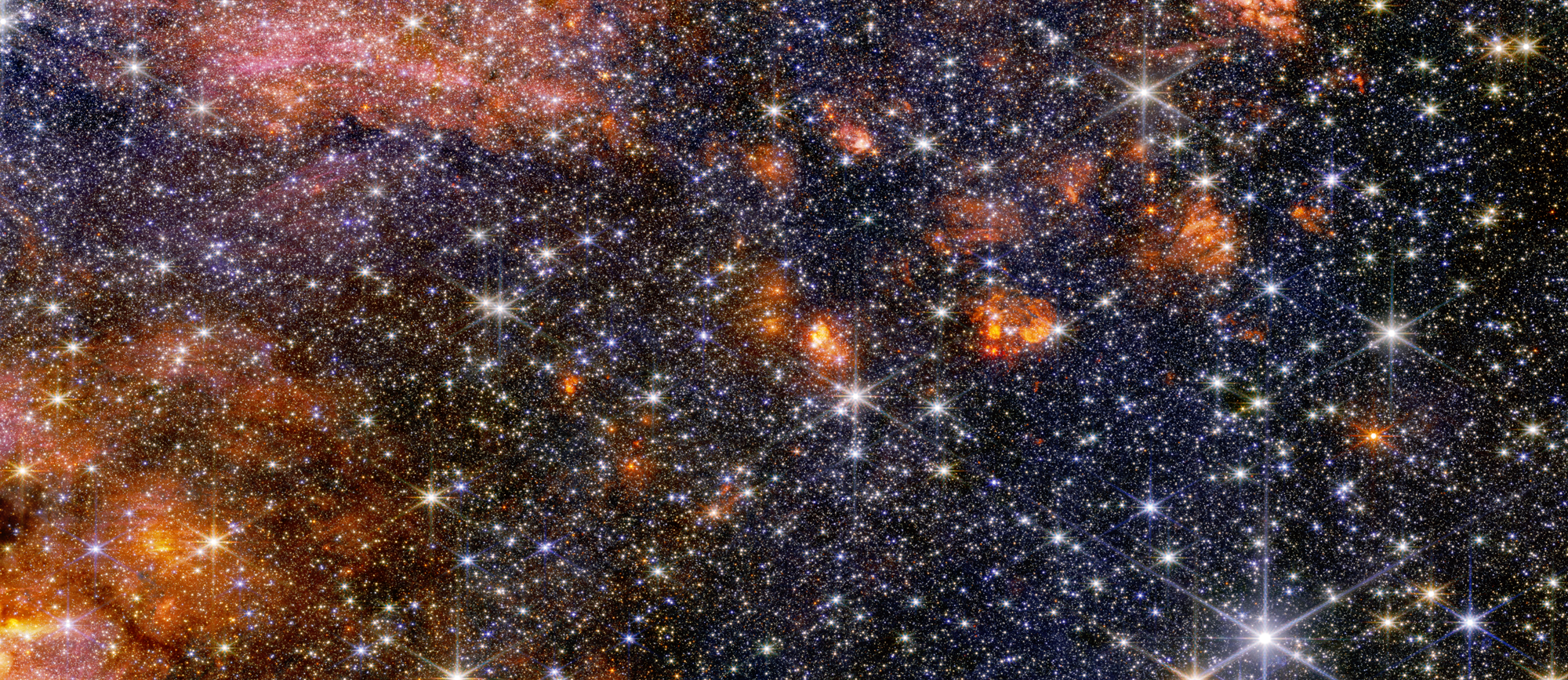
James Webb Space Telescope peers deep into the heart of star formation in our Milky Way galaxy
 space.com·9mo ago
Vera C. Rubin Observatory's 3.2-Billion-Pixel Camera Captures First Image of 10 Million Galaxies
Tony Tyson, a cosmologist, unveils the first image from the Vera C. Rubin Observatory's 3.2-billion-pixel digital camera — the largest ever
 quantamagazine.org·11mo ago
James Webb Space Telescope Captures First Direct Image of Exoplanet
The James Webb Space Telescope has captured its first direct image discovery of an exoplanet by identifying the infrared light of a likely p
smithsonianmag.com·1y agoComments
Sign in to join the conversation.
No comments yet. Be the first.