





















NASA Completes Final Inspection of Roman Space Telescope's Primary Mirror
By
Ashley Balzer

Hot, fresh, and worth queueing round the block for.
Summary
Engineers at NASA's Goddard Space Flight Center completed final inspection of the 7.9-foot (2.4-meter) primary mirror for the Nancy Grace Roman Space Telescope. The mirror passed inspection on May 20-21, with no contamination detected. This mirror will collect and focus light from cosmic objects to help the telescope capture panoramic views of space.
Key quotes
· 3 pulledEngineers at NASA's Goddard Space Flight Center in Greenbelt, Maryland, have completed their final inspection of a key element for the agency's Nancy Grace Roman Space Telescope: the primary mirror.
This 7.9-foot (2.4-meter) mirror will collect and focus light from cosmic objects near and far, helping Roman capture stunning panoramas of space.
On May 20 and 21, engineers at NASA's Goddard Space Flight Center in Greenbelt, Md., confirmed that no specks fell onto the mirrors during testing.
You might also wanna read


Experimental demonstration of quantum communication advantage for Euclidean distance calculation using coherent state fingerprints
This paper presents an experimental demonstration of quantum advantage in communication complexity for the Euclidean distance problem. The r
 arxiv.org·25m ago
Quantum research reveals when entanglement hinders rather than helps channel discrimination
This research paper investigates the role of entanglement in quantum channel discrimination, challenging the common assumption that more ent
arxiv.org·29m ago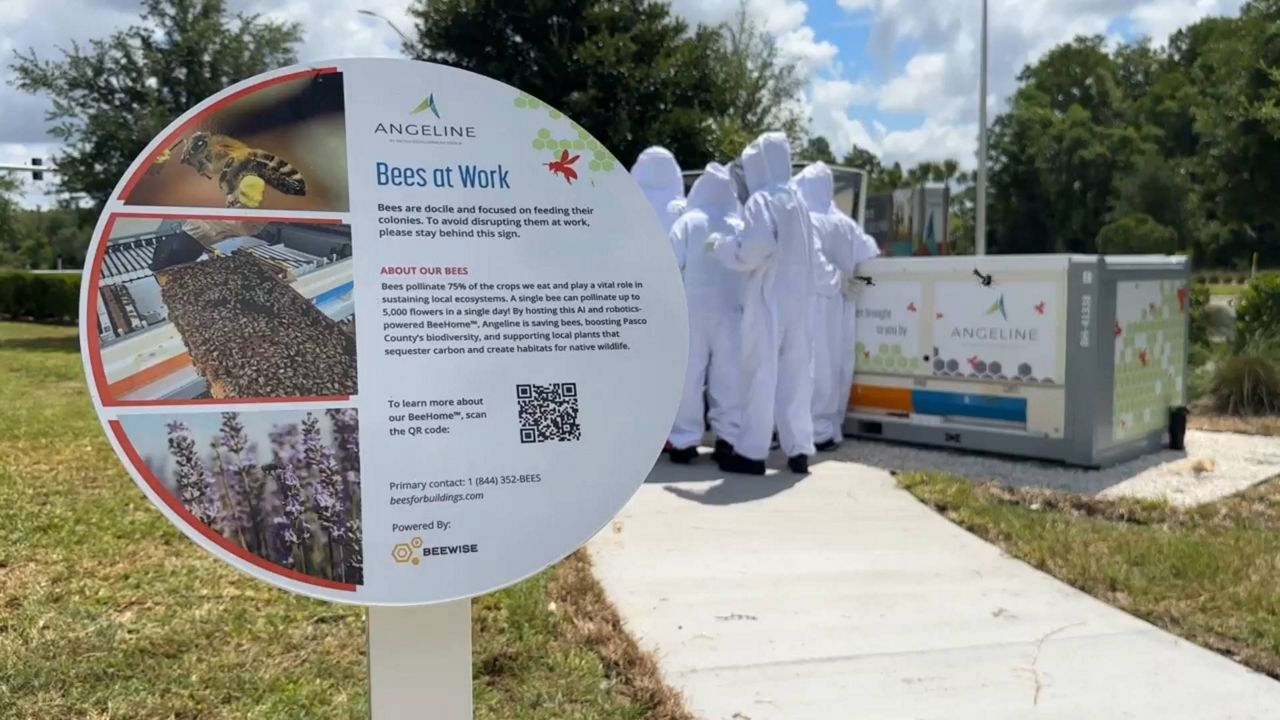
Florida community Angeline installs AI-powered robotic beehive to protect pollinators
A Pasco County, Florida community called Angeline has installed a robotic beehive system equipped with AI technology, becoming the first mas
 baynews9.com·38m ago
Study Finds Most AI Chatbots Prioritize Ad Revenue Over User Welfare in Conflict-of-Interest Scenarios
This research paper analyzes how large language models (LLMs) handle conflicts of interest when company revenue incentives (advertisements)
arxiv.org·1h ago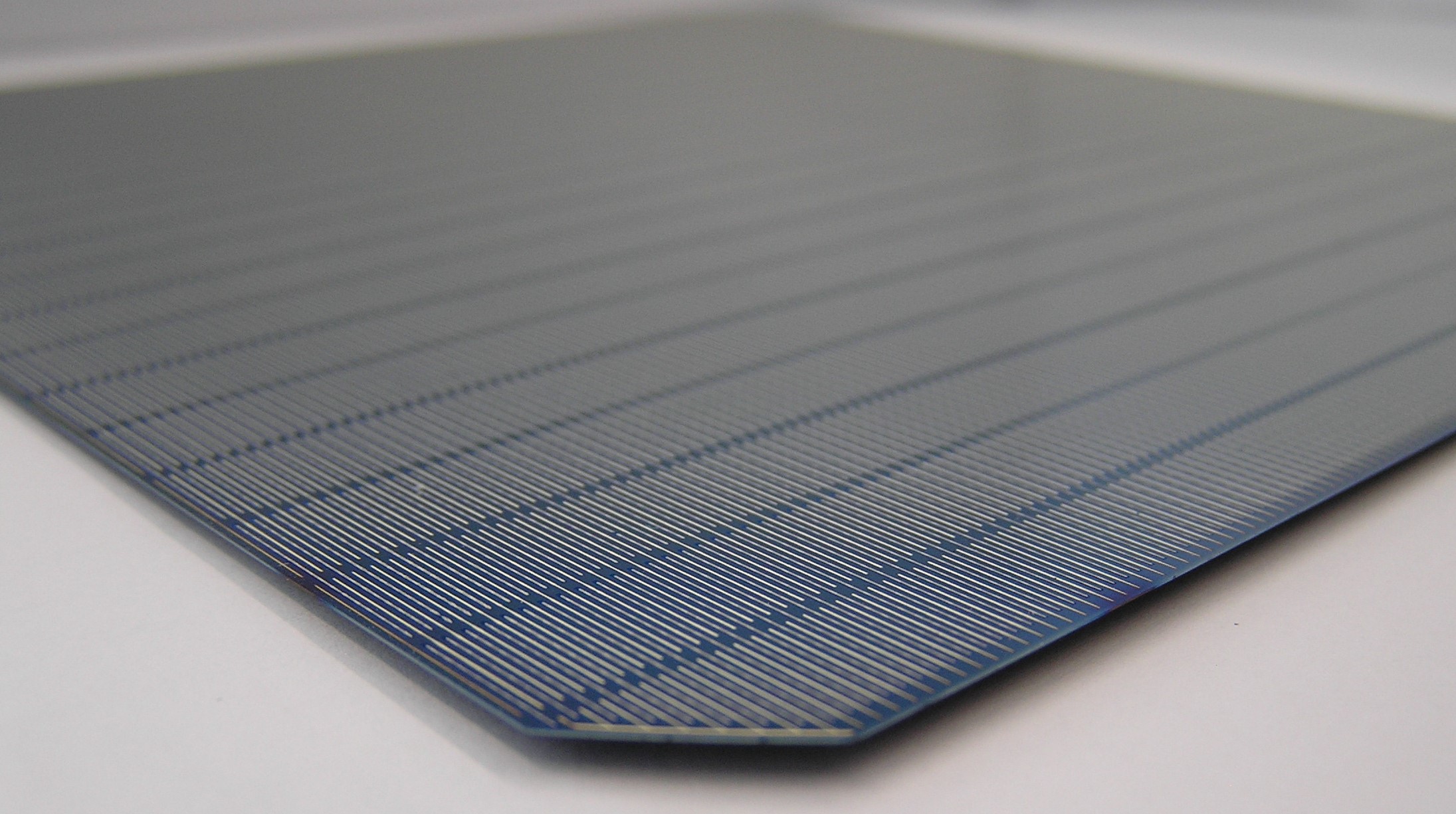
German study finds POLO back-junction solar cells more cost-effective than PERC technology in Europe
A German research team from the German Aerospace Center (DLR) conducted a techno-economic analysis of POLO back-junction (BJ) solar cells in
 pv-magazine.com·1h ago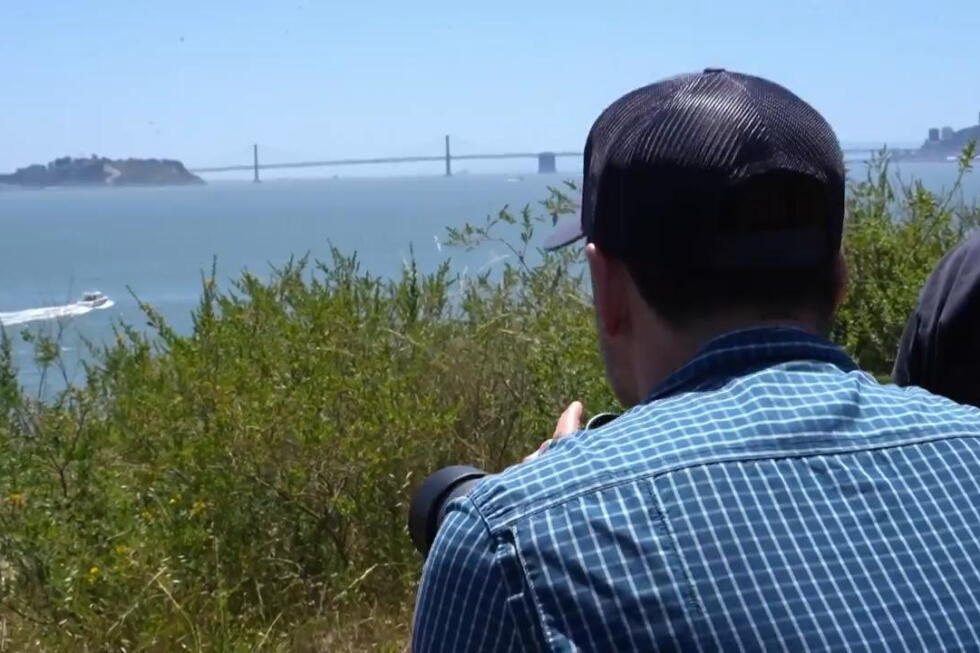
AI-powered whale detection system deployed in San Francisco Bay to prevent ship collisions
A new AI-powered whale detection system is being deployed in San Francisco Bay to prevent ship collisions with whales. The system uses under
 apnews.com·1h ago