





















AI-powered whale detection system deployed in San Francisco Bay to prevent ship collisions

Toasted just enough. A reliable bake, gently seasoned.
Summary
A new AI-powered whale detection system is being deployed in San Francisco Bay to prevent ship collisions with whales. The system uses underwater microphones and cameras combined with artificial intelligence to detect whales in real-time and alert ship captains to slow down or change course. This technology aims to reduce the number of whale deaths caused by vessel strikes in one of the busiest shipping lanes that overlaps with whale feeding grounds. The system represents a practical application of AI for wildlife conservation, addressing a critical safety issue for both endangered whale populations and maritime operations.
Key quotes
· 3 pulledThe system uses artificial intelligence to analyze underwater audio and visual data to detect whales in real-time, giving ships time to avoid them.
San Francisco Bay is a critical feeding ground for several whale species, but it's also one of the busiest shipping ports on the West Coast.
This technology could be a game-changer for protecting whales from ship strikes, which are one of the leading causes of death for endangered whale populations.
You might also wanna read

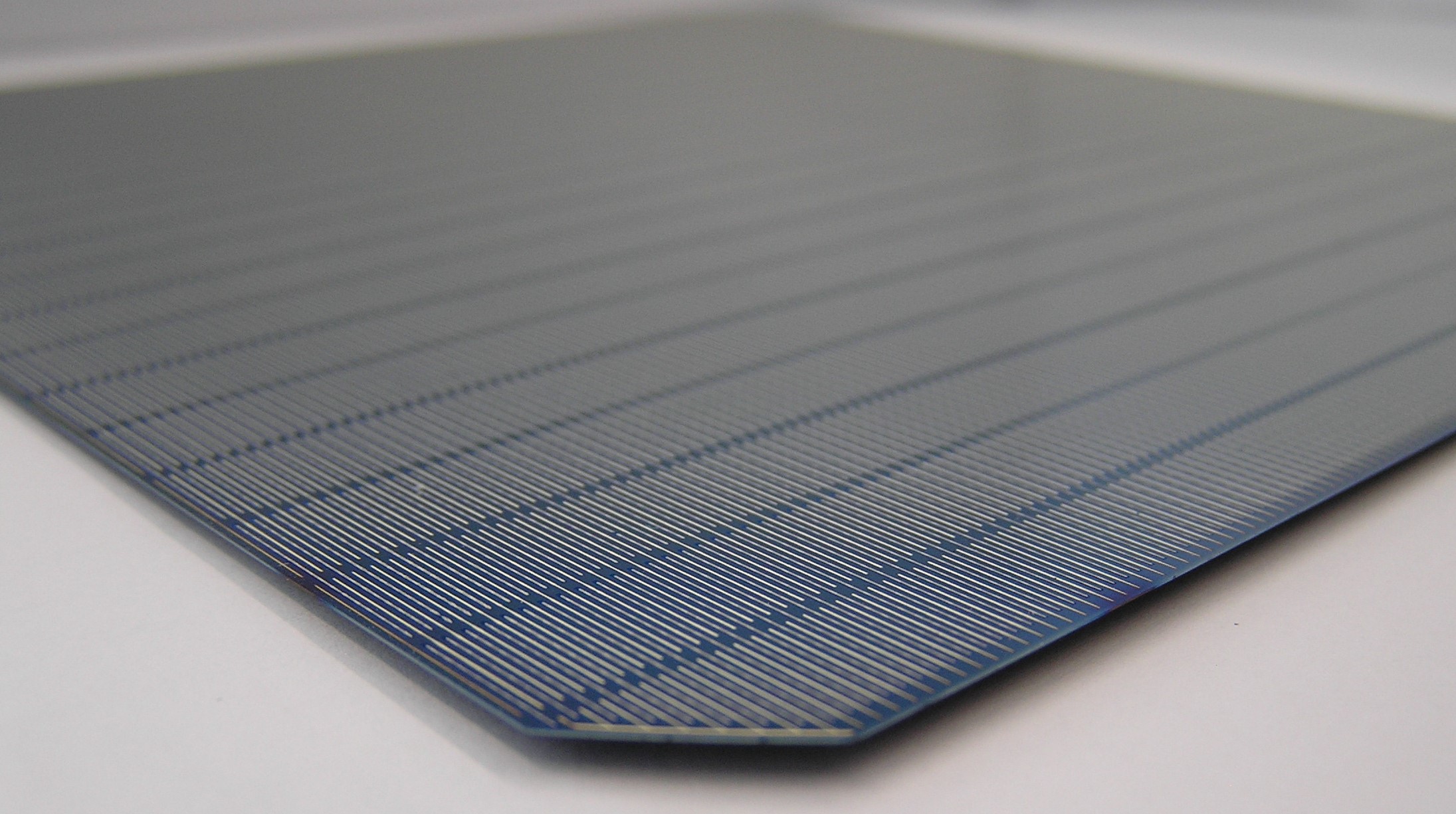
German study finds POLO back-junction solar cells more cost-effective than PERC technology in Europe
A German research team from the German Aerospace Center (DLR) conducted a techno-economic analysis of POLO back-junction (BJ) solar cells in
 pv-magazine.com·6h ago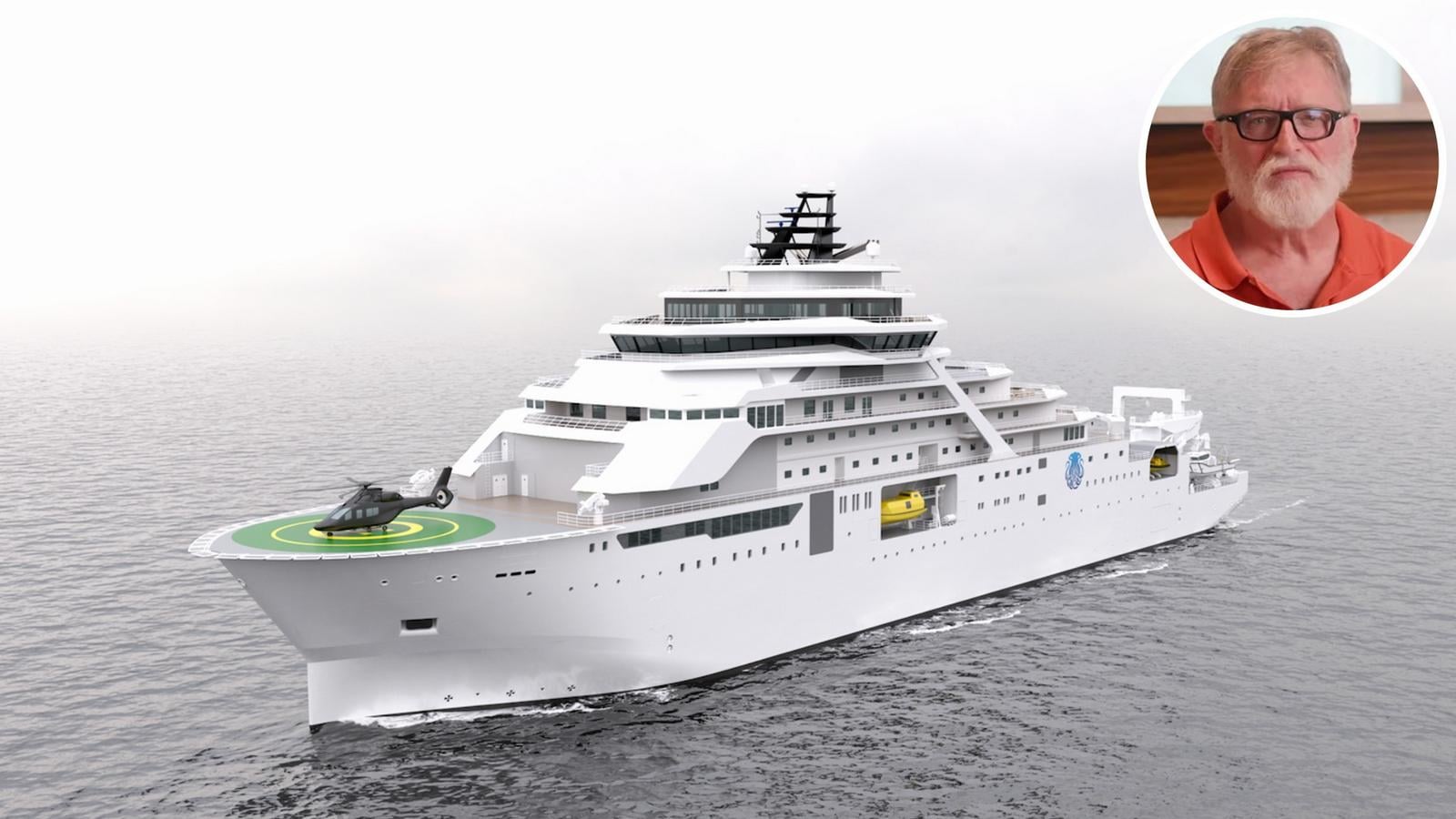
Gabe Newell funds $815 million deep-sea research vessel to explore uncharted ocean depths
Gabe Newell, billionaire co-founder of Valve and Steam, is funding the construction of the RV11000, a massive $815 million deep-sea research
 luxurylaunches.com·6h ago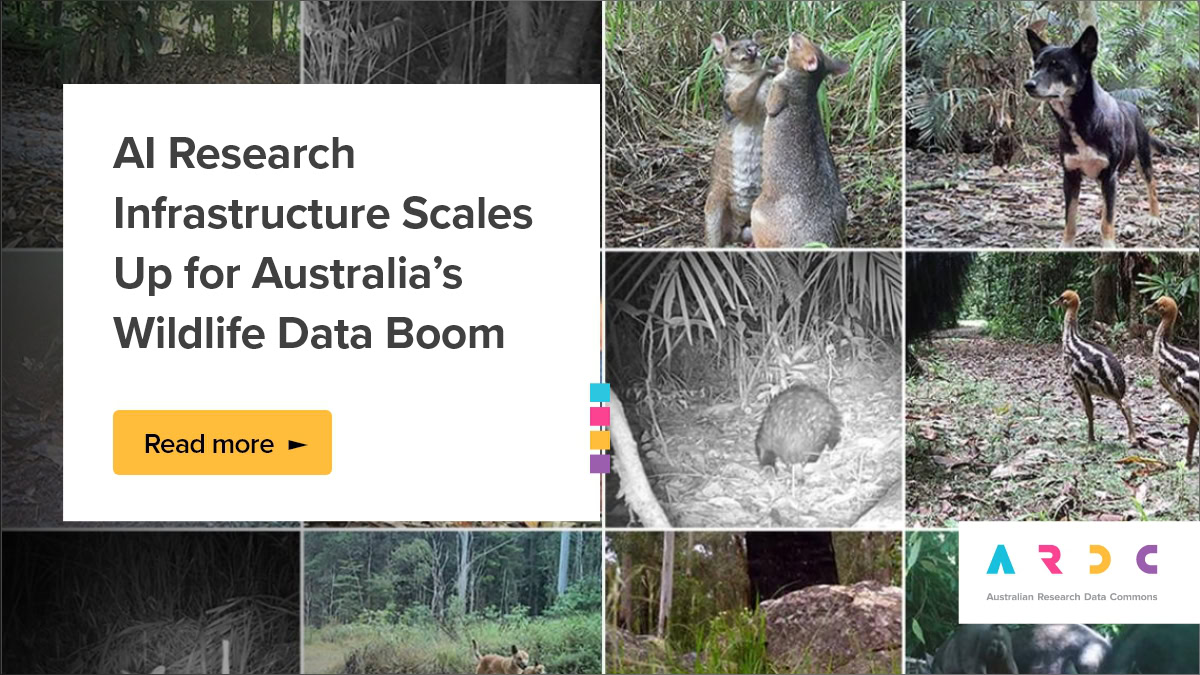
AI-Powered WildObs Platform Accelerates Australian Wildlife Conservation Data Analysis
Researchers at The University of Queensland, in partnership with ARDC, QCIF Digital Research, and TERN, have developed the Wildlife Observat
 ardc.edu.au·6h ago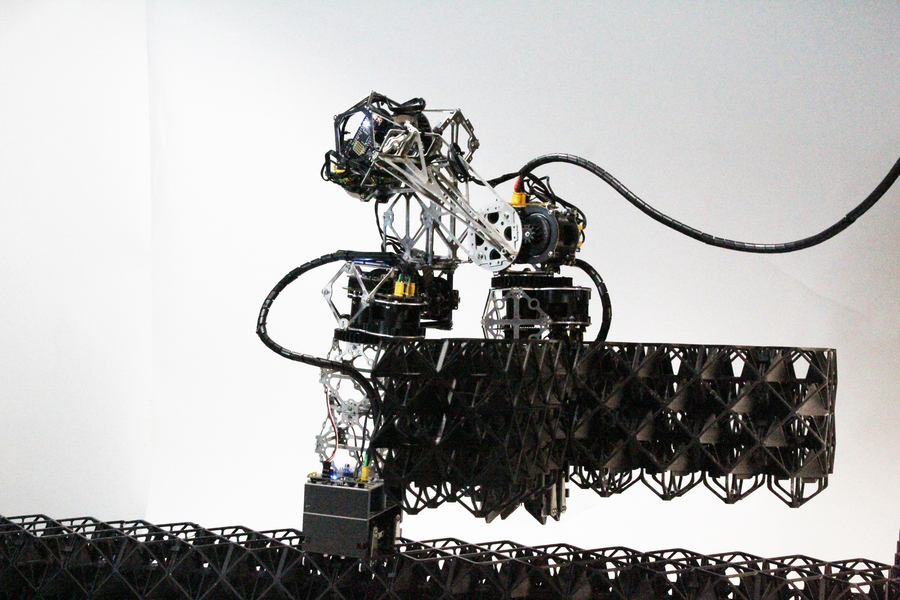
MIT researchers develop robotically assembled voxel building blocks for more sustainable construction
MIT researchers have developed robotically assembled building blocks called voxels that could make construction more efficient and sustainab
 robohub.org·7h ago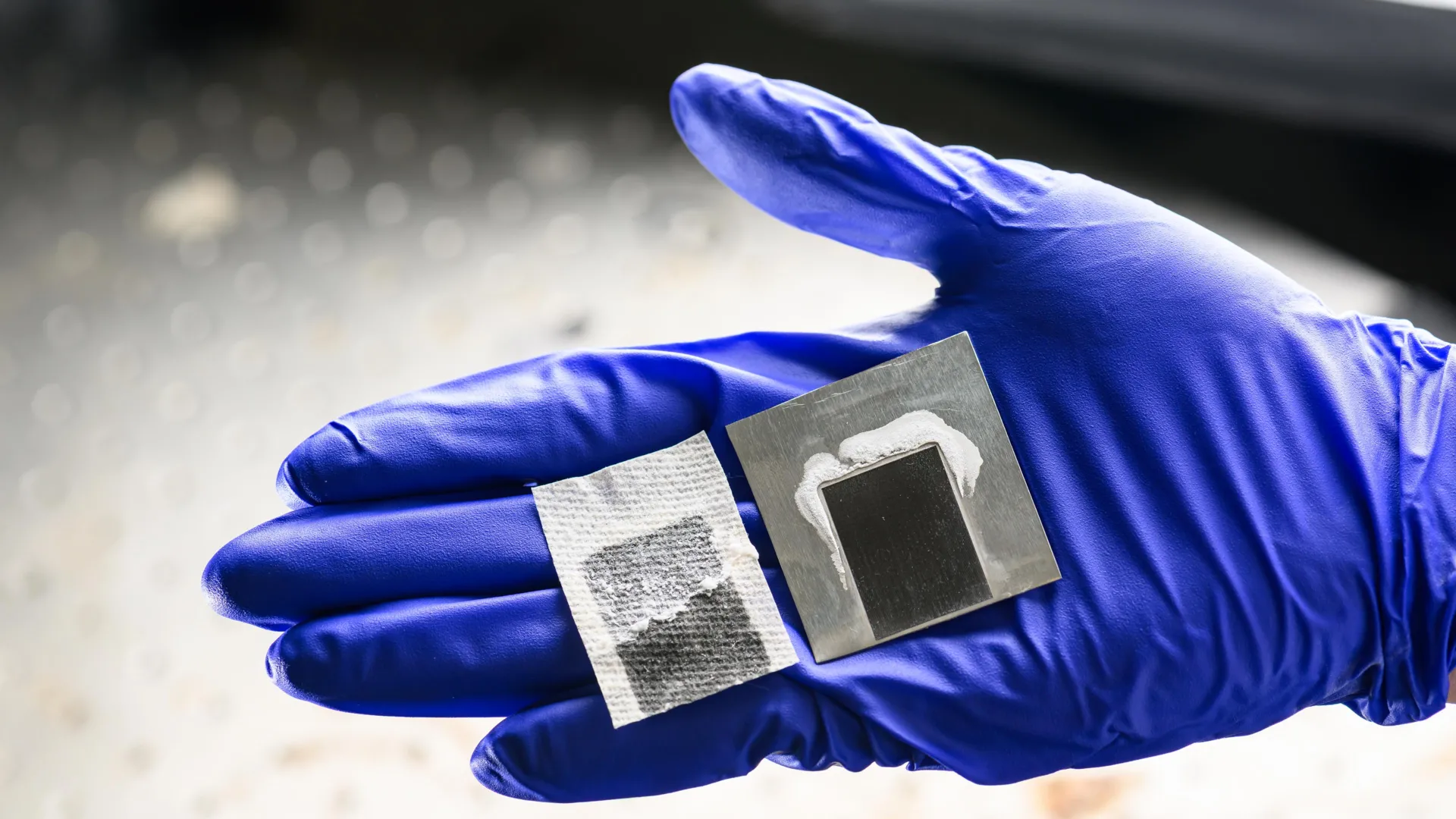
Solar desalination system eliminates toxic brine while producing fresh water
Scientists have developed a solar-powered desalination system that converts seawater into fresh water without producing toxic brine, a major
Solar desalination system eliminates toxic brine while producing fresh water
Scientists have developed a solar-powered desalination system that converts seawater into fresh water without producing toxic brine, a major