
























Quasar at the Dawn of the Universe “Blinked” for Astronomers have observed the flickering quasar J0439+1634 as it appeared just 850 million years after the Big Bang — one of the earliest such objects
4d ago· 1 min readNews
Source
Twitter / XQuasar at the Dawn of the Universe “Blinked” for Astronomers have observed the flickering quasar J0439+1634 as it appeared just 850 million years after the Big Bang — one of the earliest such objectsastronomerszmescience.comQuasar at the Dawn of the Universe “Blinked” for Astronomers have observed the flickering quasar J0439+1634 as it appeared just 850 million years after the Big Bang — one of the earliest such objects ever studied in detail. By analyzing variations in its light, researchers mapped the region around the supermassive black hole at its core. Surprisingly, the accretion disk proved to be flat and pancake-shaped, very similar to the well-ordered disks seen in quasars from the modern, mature Universe. This finding deepens the puzzle of how supermassive black holes and their structured accretion disks could form and “settle” so rapidly in the still-young cosmos during the cosmic dawn. Key facts:The quasar is gravitationally lensed, making it appear extraordinarily bright (equivalent to trillions of Suns). Its flickering (variability) allowed precise mapping of the accretion disk’s structure and temperature. The flat disk challenges models that expected chaotic, puffy disks around rapidly growing early black holes. This discovery highlights how much we still have to learn about the rapid formation of the Universe’s most extreme objects.
You might also wanna read

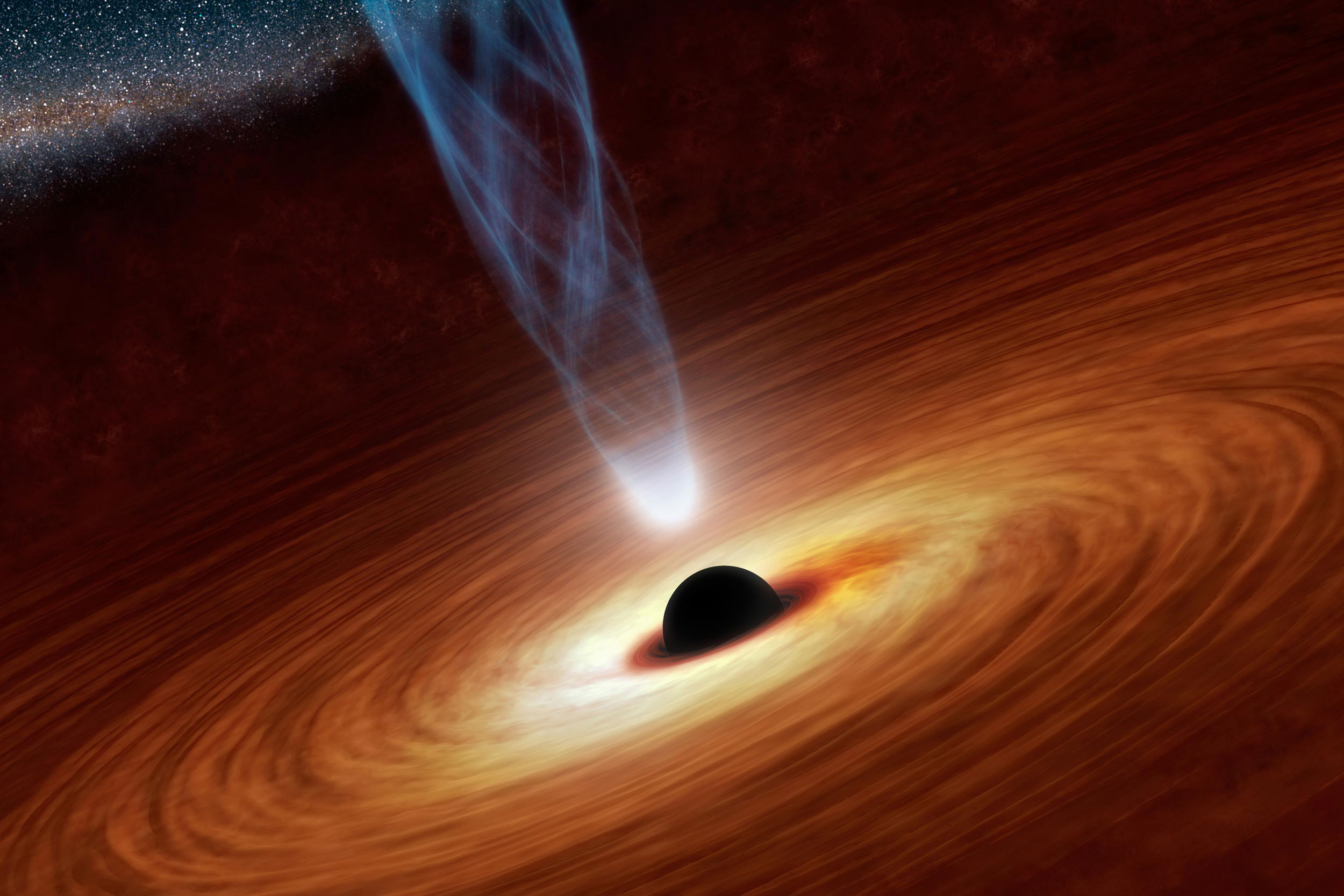
MIT astronomers detect earliest known flickering quasar from cosmic dawn era
MIT astronomers have detected the earliest known flickering quasar, located 850 million years after the Big Bang during the cosmic dawn. Thi
 news.mit.edu·24d ago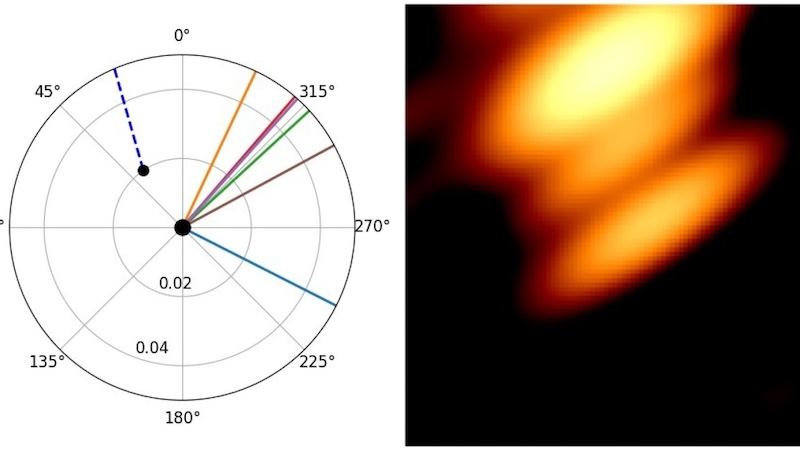
First Image Captured of Two Black Holes Orbiting Each Other in Distant Quasar
Scientists have captured the first confirmed image of two black holes orbiting each other in quasar OJ287, located five billion light-years
 helsinkitimes.fi·8mo ago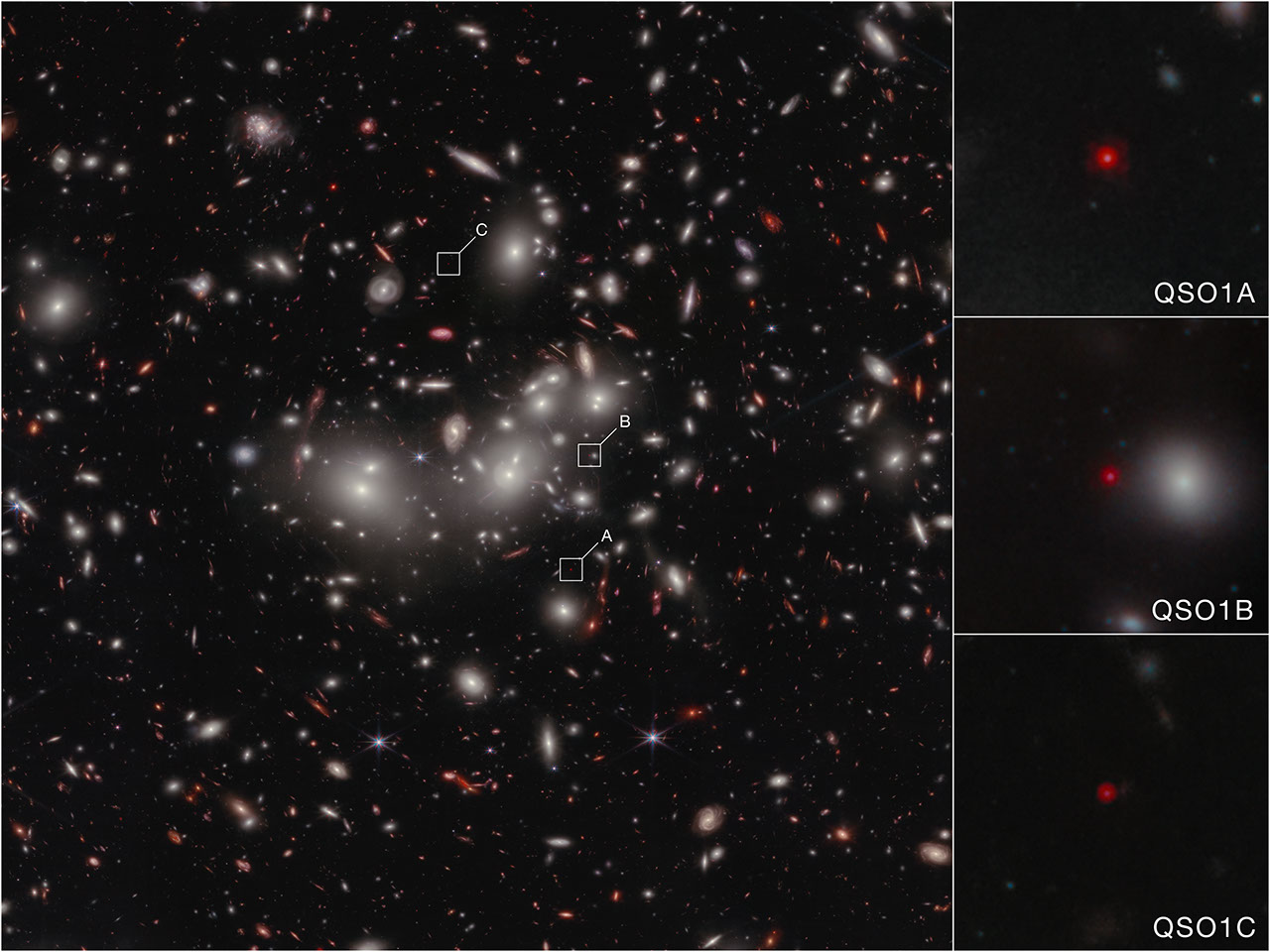
NASA's Webb Telescope Detects Black Hole That Formed Before Its Host Galaxy, Challenging Cosmic Evolution Theories
Researchers using NASA's James Webb Space Telescope have detected a massive black hole in the early universe that appears to have formed bef
 science.nasa.gov·1mo ago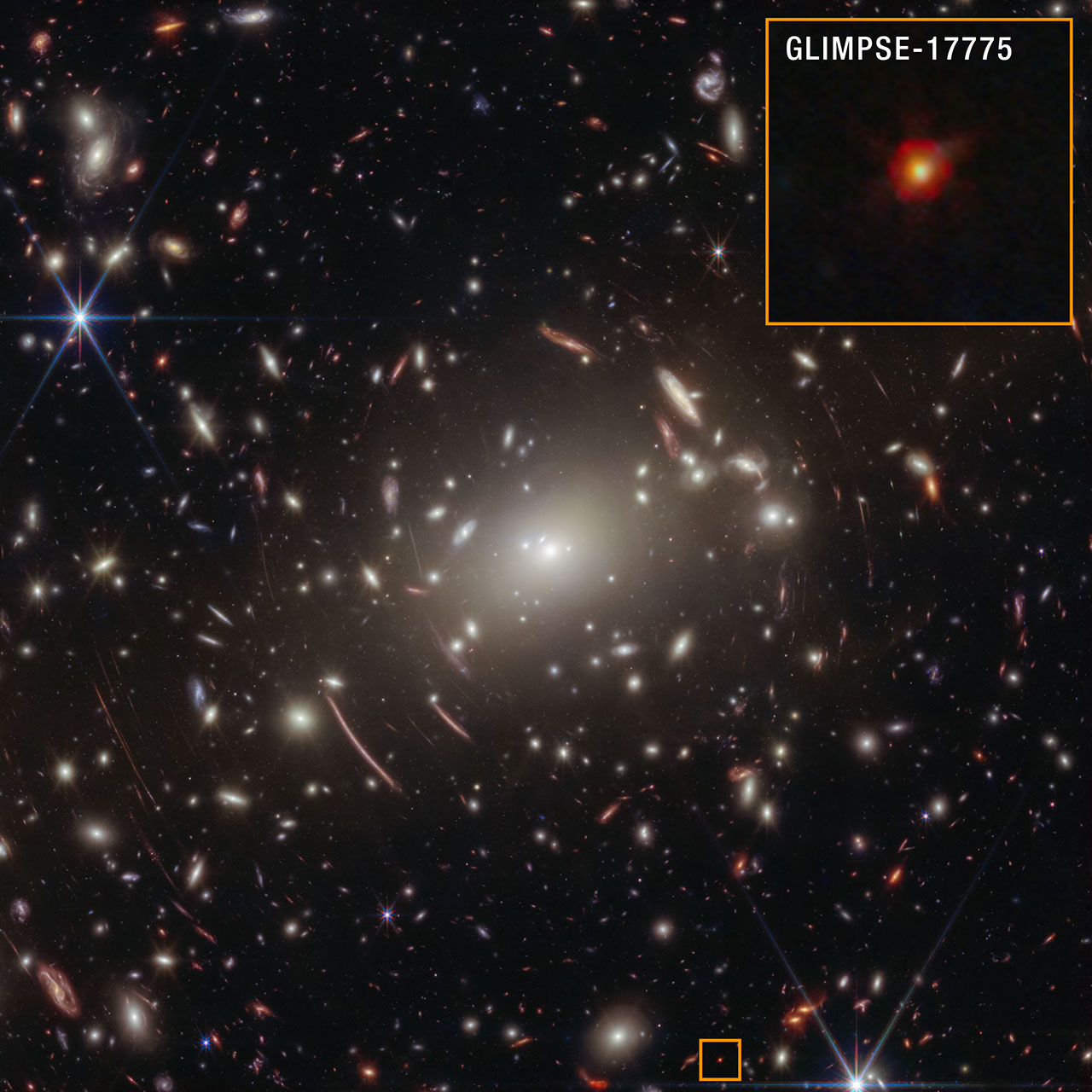
NASA's Webb Telescope Provides Strongest Evidence Yet for 'Black Hole Stars' in Early Universe
Astronomers using NASA's James Webb Space Telescope have identified a "little red dot" galaxy called GLIMPSE-17775, whose spectrum provides
science.nasa.gov·23d ago
JWST Confirms Discovery of Exceptionally Luminous Galaxy at z=14.44, 280 Million Years After Big Bang
The James Webb Space Telescope has confirmed the discovery of MoM-z14, an exceptionally luminous galaxy that existed just 280 million years
 astro.theoj.org·4mo ago
Untitled
spie.org·1d ago
Comments
Sign in to join the conversation.
No comments yet. Be the first.