





















MIT astronomers detect earliest known flickering quasar from cosmic dawn era
By
Jennifer Chu | MIT News

Fresh out the oven, still warm. Top of the tray.
Summary
MIT astronomers have detected the earliest known flickering quasar, located 850 million years after the Big Bang during the cosmic dawn. This supermassive black hole's brightness varies over time, providing new insights into the behavior of early universe quasars and the formation of galaxies in the infant cosmos.
Key quotes
· 3 pulledThe most energetic supermassive black holes are known as quasars, and they are some of the most active and luminous objects in the universe.
These voracious systems take in so much material that the energy they emit can outshine all the light in the surrounding galaxy.
This is the earliest flickering quasar detected to date.
You might also wanna read

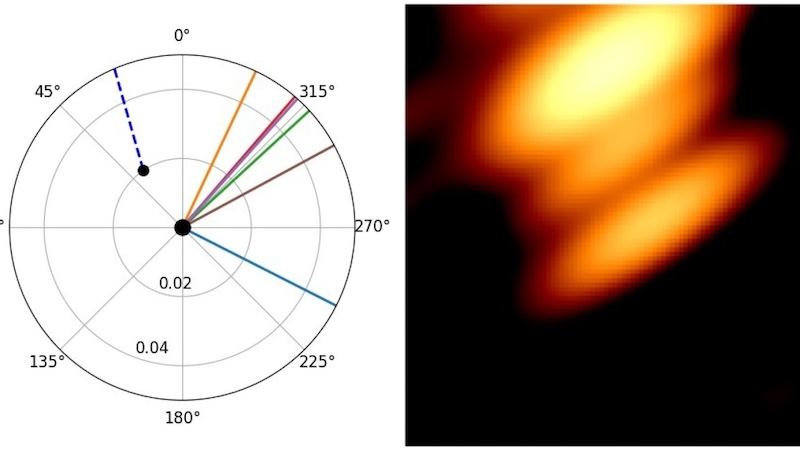
First Image Captured of Two Black Holes Orbiting Each Other in Distant Quasar
Scientists have captured the first confirmed image of two black holes orbiting each other in quasar OJ287, located five billion light-years
 helsinkitimes.fi·8mo ago
Machine Learning Validates Unrecognized Transient Astronomical Phenomena in Historical Observatory Images
This research paper uses machine learning to validate the existence of previously unrecognized transient astronomical phenomena in historica
 arxiv.org·1mo ago
Astronomical transients in 1950s Palomar plates validated through optical aberration analysis
This paper examines fast astronomical transients detected in Palomar sky survey photographic plates from the 1950s. The authors address crit
arxiv.org·1d ago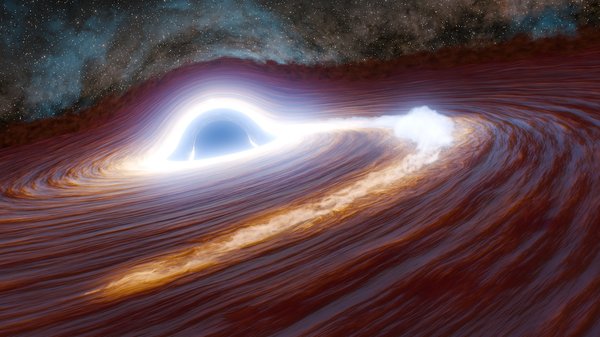
Astronomers Discover Most Distant and Powerful Black Hole Flare from Star Destruction
Astronomers have discovered the most powerful and distant flare of energy ever recorded from a supermassive black hole, likely caused by a m
 caltech.edu·7mo ago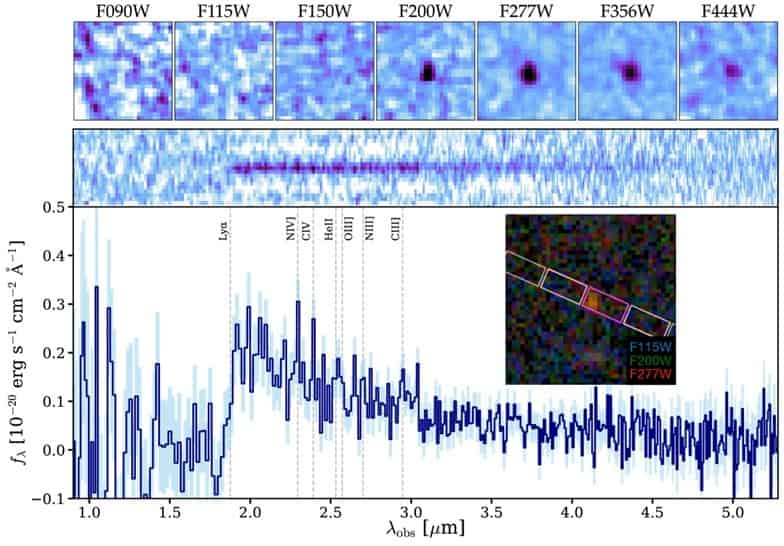
JWST Confirms Discovery of Exceptionally Luminous Galaxy at z=14.44, 280 Million Years After Big Bang
The James Webb Space Telescope has confirmed the discovery of MoM-z14, an exceptionally luminous galaxy that existed just 280 million years
 astro.theoj.org·3mo ago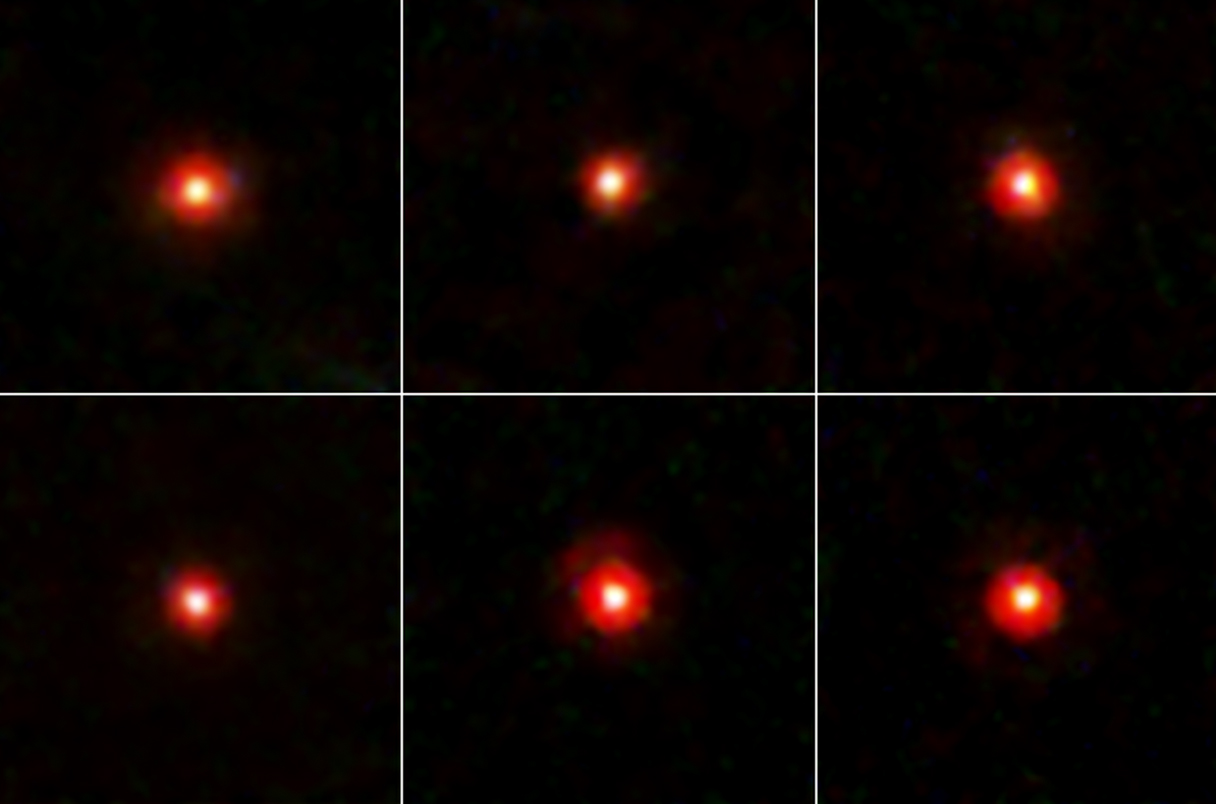
JWST Discovers Mysterious 'Little Red Dots' in Early Universe, Possibly New Celestial Objects
NASA's JWST telescope has discovered hundreds of 'little red dots' in the early universe, which may represent a new type of celestial object
 science.org·10mo ago