

























Drug combination cools body temperature to reduce stroke-induced brain damage in animal studies
By
Alice Klein
Summary
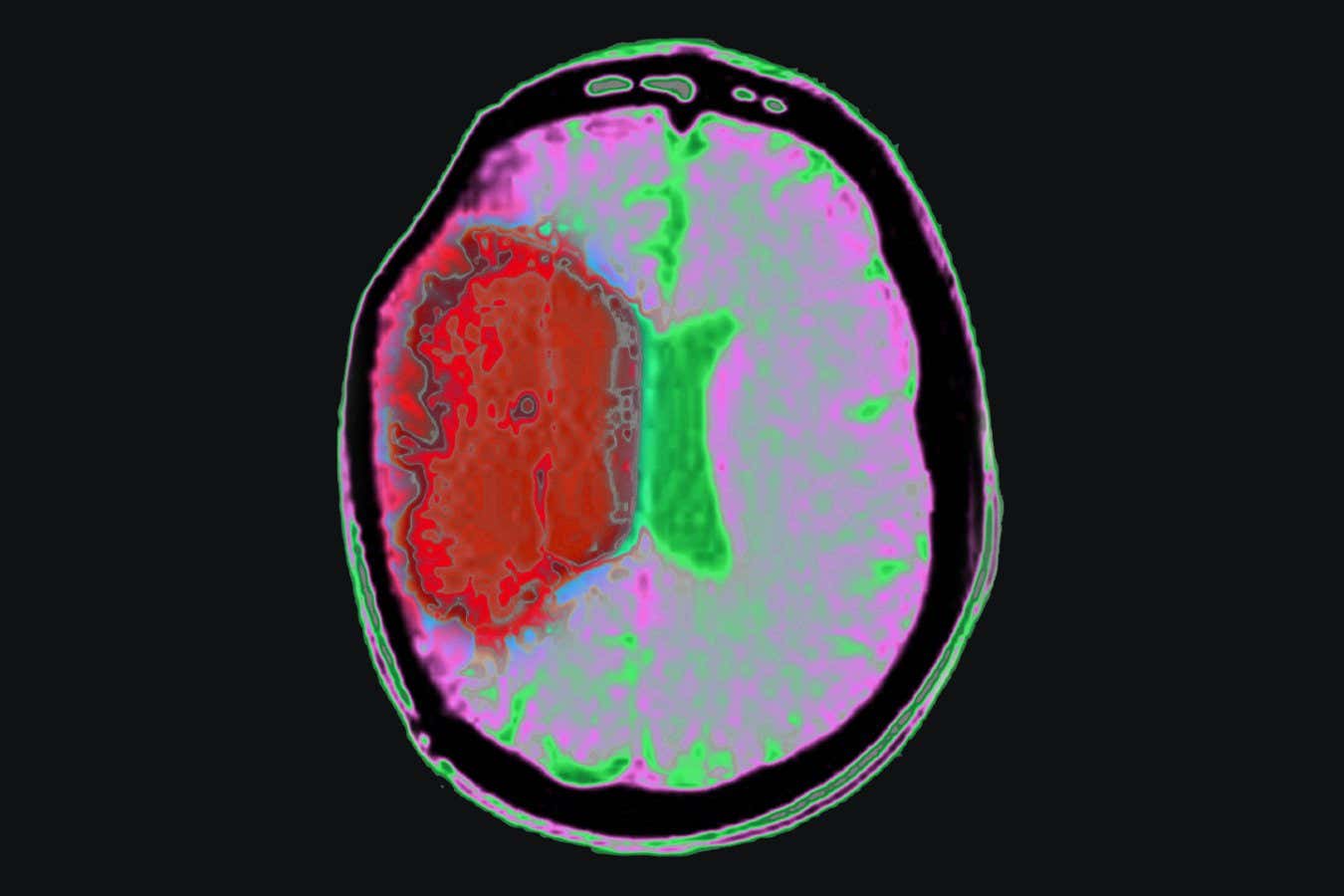
A combination of two drugs (one for hay fever, one for psychosis) successfully cooled the core body temperature of mice and monkeys, reducing brain damage after stroke by inducing a hibernation-like state. The drugs have undergone preliminary human testing and will proceed to a follow-up clinical trial. This approach aims to limit brain damage by reducing oxygen and glucose needs of brain cells after a stroke.
Source
 Twitter / XDrug combination cools body temperature to reduce stroke-induced brain damage in animal studiesnewscientist.com
Key quotes
· 3 pulledResearchers have spent decades investigating ways to chill people's brains after they have a stroke to try to limit the damage.
The idea is to freeze brain cells in a hibernation-like state so they don't need as much oxygen and glucose when a stroke occurs.
A combination of two drugs used to treat hay fever and psychosis cooled down the core body temperature of mice and monkeys, reducing brain damage after a stroke.
You might also wanna read

Anti-aging drug combo dasatinib+quercetin causes brain damage in mice, study finds
A study from the University of Connecticut published in PNAS found that the dasatinib+quercetin (D+Q) drug combination, widely studied for a

Scientists Develop Stroke Treatment by Enhancing Brain's Natural Waste Removal System
Scientists from Monash University and Yale School of Medicine are collaborating to develop a new treatment approach for ischemic stroke by e
 monash.edu·5mo ago
Transient functional improvements in advanced Alzheimer's disease following high-dose psilocybin: a case report
This case report describes an 80-year-old Japanese-American woman with advanced Alzheimer's disease (10-year history, 5 years of severe hypo
 frontiersin.org·8d ago
Texas A&M researchers develop nasal spray that reverses brain aging in study
Researchers at Texas A&M University have developed a nasal spray that appears to reverse brain aging by reducing inflammation and restoring
Texas A&M scientists develop nasal spray therapy that reverses brain aging in mice
Scientists at Texas A&M have developed a nasal spray therapy that reverses brain aging by targeting neuroinflammation. The therapy delivers
 stories.tamu.edu·18d ago
Neuro Climate Working Group: Addressing Climate Change Impacts on Brain Health Through Research and Advocacy
The Neuro Climate Working Group is an initiative focused on protecting brain health in the context of climate change. Their mission encompas
 neuroclimate.org·11d ago
Comments
Sign in to join the conversation.
No comments yet. Be the first.